Swiss Cheese Vine
Swiss Cheese Vine (Monstera adansonii) is a popular tropical houseplant prized for its unique perforated leaves and graceful trailing growth habit. In temperate homes, it thrives as a low-maintenance indoor vine that adapts well to standard room conditions. The most common question plant owners ask is whether they're overwatering—this vine prefers to dry out between waterings, making it forgiving for busy gardeners.
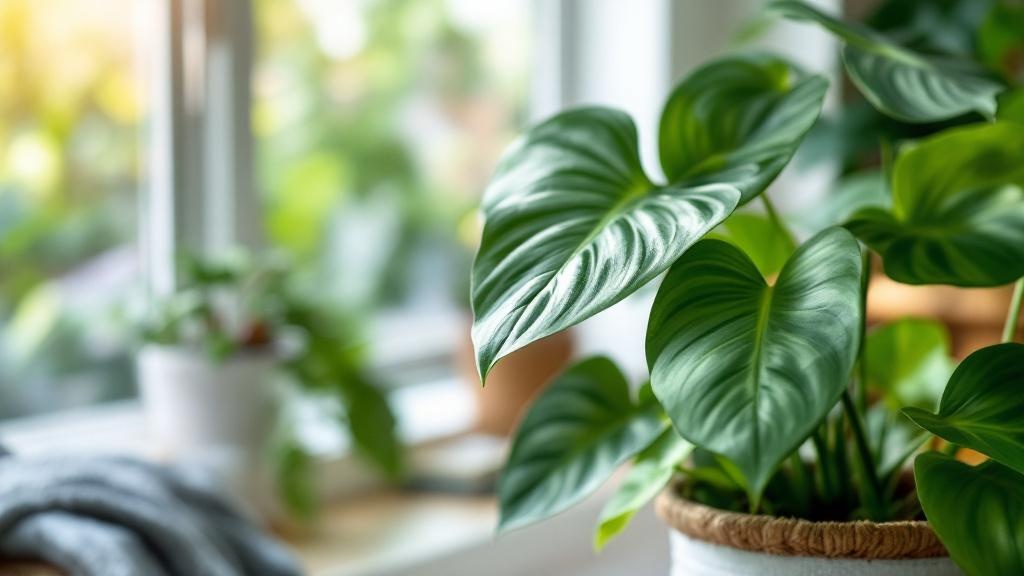
Watering Your Swiss Cheese Vine
Water every 7-10 days in the growing season (April to September), and reduce to once every 14 days in autumn and winter when growth slows. The key is to let the top 2-3 cm of soil dry out between waterings—stick your finger into the soil to check. Overwatering is the main cause of root rot in temperate climates where heating dries indoor air. Use room-temperature water and ensure pots have drainage holes.
Light Requirements for Best Growth
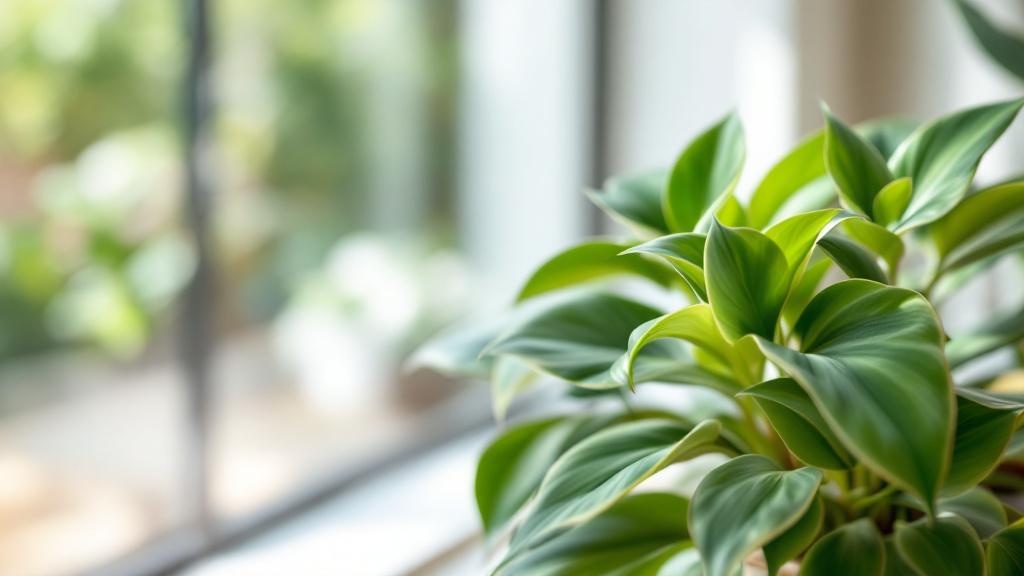
Swiss Cheese Vine thrives in bright, indirect light—a spot near an east- or west-facing window is ideal. Direct midday sun through south-facing windows can scorch leaves, especially in summer. If your home is naturally dim (north-facing rooms), the plant will survive but grow more slowly and produce fewer leaf holes. In darker locations, move it closer to a window or use a grow light for 10-12 hours daily during winter months.
Soil and Repotting Guidelines
Use a well-draining aroid or peat-based potting mix enriched with perlite or bark chunks to prevent waterlogging. Repot every 18-24 months in late spring (May) when roots emerge from drainage holes or growth noticeably slows. Choose a pot only 1-2 cm larger in diameter to avoid excess moisture retention. This plant doesn't mind being slightly root-bound, so avoid oversizing the pot.
Temperature and Humidity
Swiss Cheese Vine prefers warm conditions between 16-27°C, ideally staying above 15°C in winter. Keep it away from cold drafts, heating vents, and sudden temperature swings common near windows in temperate winters. Average indoor humidity (40-60%) is sufficient, but the plant benefits from misting weekly in dry, heated rooms during winter. Grouping plants together or using a pebble tray with water also boosts humidity without fuss.
Fertilizing for Healthy Growth
Feed once every 2-3 weeks from April to September using a balanced liquid fertilizer diluted to half strength. Skip feeding entirely from October to March when the plant enters dormancy and growth stalls. Over-fertilizing causes salt buildup in temperate tap water and can damage fine roots. Use a fertilizer labeled for houseplants or aroids (NPK ratio around 5-5-5 or 10-10-10).
Common Problems and Solutions
Yellowing lower leaves are normal as the plant matures, but yellowing across the whole plant signals overwatering—let soil dry and check drainage. Brown, papery leaf tips indicate low humidity or mineral buildup in tap water; switch to distilled water and mist more frequently. Mealybugs and spider mites are common indoor pests in temperate climates, especially in heated homes; spray affected areas with diluted neem oil or insecticidal soap every 7-10 days until resolved.
Frequently asked questions
How often should I water Swiss Cheese Vine?
Water every 7-10 days in spring and summer, and every 14 days in autumn and winter. Always check that the top 2-3 cm of soil is dry before watering again to prevent root rot.
Why are my Swiss Cheese Vine leaves turning yellow?
Yellowing leaves usually mean overwatering or poor drainage. Allow the soil to dry out more between waterings and ensure your pot has drainage holes. If only the lower, older leaves yellow, that's normal as the plant matures.
Does Swiss Cheese Vine need a moss pole to climb?
Swiss Cheese Vine is naturally trailing and doesn't require a moss pole; it looks beautiful trailing from hanging baskets or shelves. However, you can attach a moss pole or stake if you prefer an upright, climbing form with larger leaves and more pronounced holes.
Is Swiss Cheese Vine toxic to cats and dogs?
Yes, it is mildly toxic to cats and dogs. The leaves contain calcium oxalates that cause mouth irritation, drooling, and difficulty swallowing if chewed. Keep the plant out of reach of curious pets or monitor closely.
How do I encourage more leaf holes in Swiss Cheese Vine?
Mature leaves naturally develop holes, so patience and good care are key. Ensure bright, indirect light, consistent watering without overwatering, and occasional feeding during the growing season (April-September). Larger, more established plants produce more fenestration than young specimens.