Moonstones
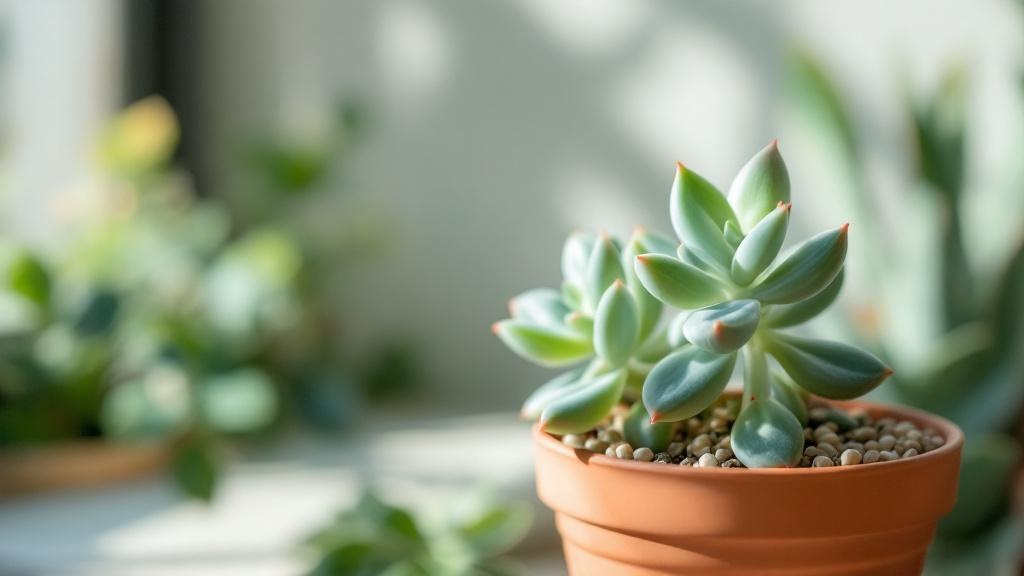
Moonstones captivate plant lovers with their otherworldly, egg-shaped leaves dusted in a powdery coating called farina. Native to Mexico, these compact succulents thrive indoors in temperate regions where winters are too cold for outdoor growing. The most common question new owners ask is how to water without causing rot. With proper care, Moonstones reward you with rosettes of pearlescent leaves in shades of pink, blue, and lavender that make stunning windowsill specimens.
Watering Your Moonstones Without Causing Root Rot
Water thoroughly every 14 to 21 days during the growing season from April through September, allowing soil to dry completely between waterings. In winter, reduce to once monthly or less as the plant enters dormancy. Always water the soil directly and avoid getting water on leaves, as this can damage the protective farina coating. If leaves appear slightly wrinkled, the plant needs water; if they feel mushy, you are overwatering.
Light Requirements for Vibrant Leaf Color
Moonstones need 4 to 6 hours of bright light daily to maintain compact growth and pastel coloring. A south or west-facing windowsill works well in temperate climates, especially during darker winter months from November through February. Gradually acclimate plants to direct morning sun in spring to avoid sunburn. Insufficient light causes etiolation, where the rosette stretches and loses its characteristic plump shape.
Soil and Repotting for Healthy Roots
Use a gritty, fast-draining mix of standard cactus compost combined with perlite or pumice in a 1:1 ratio. Terracotta pots with drainage holes are ideal as they wick away excess moisture. Repot every 2 to 3 years in spring, moving up just one pot size. Handle carefully during repotting as the farina coating and leaves detach easily.
Temperature and Humidity for Indoor Growing
Maintain temperatures between 10°C and 24°C year-round, keeping plants away from cold windowpanes and radiators. Moonstones cannot tolerate frost, so outdoor plants must come inside by late September before nighttime temperatures drop below 7°C. Low household humidity of 30 to 50 percent suits them perfectly. Avoid bathrooms and kitchens where humidity levels may cause fungal issues.
Fertilizing During the Growing Season
Feed monthly from April through August with a balanced liquid succulent fertilizer diluted to half strength. Stop feeding entirely from September through March when growth naturally slows. Over-fertilizing causes weak, leggy growth and can burn roots. One spring application of slow-release granules is an alternative for low-maintenance feeding.
Common Problems: Pests and Diseases to Watch For
Mealybugs are the most frequent pest, appearing as white cottony clusters in leaf crevices; treat with rubbing alcohol on a cotton swab or neem oil spray. Root rot from overwatering shows as translucent, mushy lower leaves; remove affected parts and repot in dry soil. Fungus gnats may appear in overly moist conditions, controlled by allowing soil to dry fully and using yellow sticky traps.
Frequently asked questions
How often should I water Moonstones succulents?
Water Moonstones every 14 to 21 days in spring and summer, reducing to monthly in winter. Always let the soil dry completely before watering again. Wrinkled leaves indicate thirst, while translucent mushy leaves signal overwatering.
Why are my Moonstones leaves falling off?
Leaf drop usually results from overwatering, underwatering, or physical handling damage. Check if leaves feel mushy (overwatered) or shriveled (underwatered) and adjust accordingly. The farina-coated leaves are fragile, so minimize touching them directly.
How much light do Moonstones need indoors?
Moonstones require 4 to 6 hours of bright light daily for compact, colorful growth. A south-facing window is ideal in temperate climates, particularly during winter months. Supplement with a grow light if natural light is limited.
Can Moonstones survive winter in the UK?
Moonstones must be kept indoors in UK winters as they cannot survive frost or temperatures below 7°C. Place them in your brightest window, reduce watering to monthly, and keep them away from cold drafts. They will resume active growth in spring.
Is Pachyphytum oviferum toxic to cats?
Moonstones are non-toxic to cats and dogs according to established pet safety resources. While not poisonous, ingestion may still cause mild stomach upset. Keep plants out of reach to protect both pets and the delicate leaves.