Scots Pine
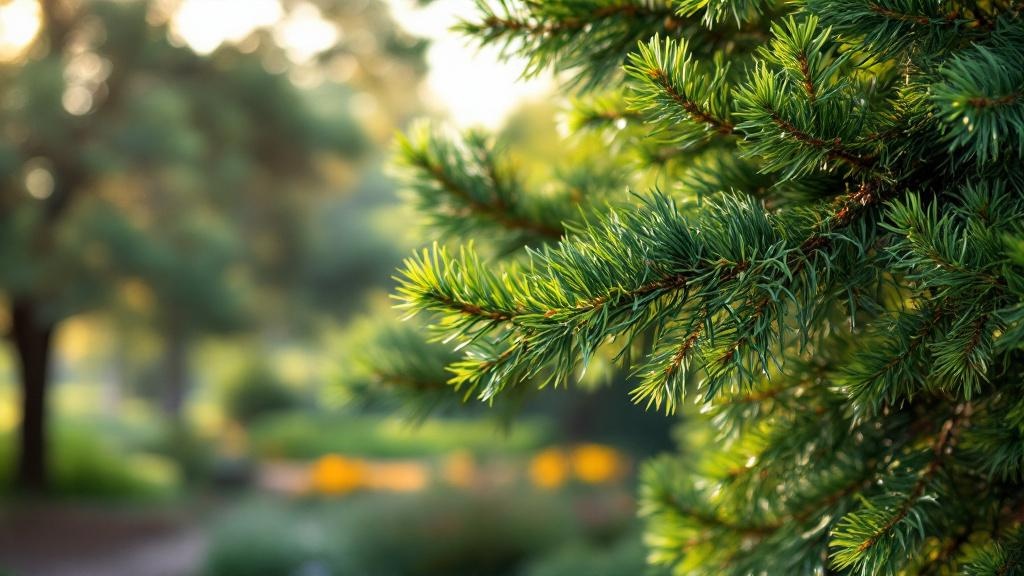
Scots Pine (Pinus sylvestris) is one of Europe's most recognizable native conifers, prized for its distinctive orange-red bark and blue-green needles. Whether you're establishing a windbreak, creating a naturalistic garden feature, or growing a specimen tree, the most common question gardeners ask is how to keep their Scots Pine healthy through harsh winters and prevent needle drop. This resilient evergreen thrives in USDA zones 3-7, making it ideal for temperate climates across Central Europe, the UK, and Northern US.
Watering Your Scots Pine Correctly
Newly planted Scots Pines need deep watering every 7-10 days during their first two growing seasons. Once established, they are remarkably drought-tolerant and typically only need supplemental water during extended dry spells in July and August. Water at the base in early morning, soaking the root zone thoroughly. Avoid overhead watering as wet needles can encourage fungal issues.
Light Requirements for Healthy Growth
Scots Pine demands full sun with at least 6 hours of direct sunlight daily. In partial shade, growth becomes sparse and the tree develops a weak, leggy structure. Plant in an open location away from buildings or taller trees that might cast shadows. South or west-facing positions are ideal in temperate regions.
Soil and Planting Considerations
This species thrives in poor, sandy, acidic soils with a pH between 4.5 and 6.0 and will struggle in heavy clay or alkaline conditions. Plant in late October through early March while dormant. Dig a hole twice the width of the root ball, backfill with native soil, and mulch with pine bark to maintain acidity. Avoid planting in waterlogged areas as root rot will develop.
Temperature and Seasonal Care
Scots Pine is extremely cold-hardy, tolerating temperatures down to -40°C without protection. Summer heat up to 30°C is well-tolerated in temperate zones. Young trees benefit from wind protection during their first winter. In late February, remove any snow buildup from branches to prevent breakage before spring growth begins.
Fertilizing Schedule
Established Scots Pines rarely need fertilizing in reasonable soil. For young trees or those showing pale needles, apply a slow-release acidifying fertilizer formulated for conifers in mid-April as growth resumes. Avoid high-nitrogen feeds which promote soft growth susceptible to frost damage and pest attack. One application per year is sufficient.
Common Problems and Solutions
Pine processionary moth caterpillars can defoliate trees in late spring; remove visible nests in March wearing protective gloves as hairs are irritating. Dothistroma needle blight causes red bands on needles followed by browning; improve air circulation and remove affected branches in dry weather. Pine weevils attack young trees at ground level from April to September; apply nematode treatments to surrounding soil if damage appears.
Frequently asked questions
How fast does Scots Pine grow per year?
Scots Pine grows 30-60 cm per year in optimal conditions, reaching 15-25 meters at maturity. Growth rate is fastest between ages 10-30 years, slowing considerably after 50 years. In poor soils or exposed sites, expect growth at the lower end of this range.
Why are my Scots Pine needles turning yellow?
Yellow needles usually indicate natural autumn needle shed of 2-3 year old growth, which occurs in September and October. If new growth yellows, check for waterlogged soil causing root suffocation, lime-induced chlorosis from alkaline soil, or nutrient deficiency. Dothistroma blight causes yellow then red banding before needles brown and drop.
When is the best time to plant Scots Pine?
The best planting time is late October through early March during dormancy, avoiding frozen ground periods. Container-grown trees can be planted year-round but establish best with autumn planting, allowing roots to settle before spring growth. Spring planting requires diligent watering through the first summer.
Is Scots Pine toxic to cats and dogs?
Scots Pine is not toxic to cats or dogs. The needles and bark pose no poisoning risk if chewed or ingested in small amounts. However, consuming large quantities of needles can cause mild stomach upset and mechanical irritation. Pine sap may cause minor skin irritation on sensitive animals.
How do I prune a Scots Pine tree?
Prune Scots Pine in late winter before new candles emerge, typically late February to mid-March. Remove dead, damaged, or crossing branches cleanly at the collar. To control size, pinch new candles by half in May when they reach 5-10 cm. Avoid cutting into old wood as pines rarely regenerate from bare branches.
🩺 Common diseases and pests
These problems commonly affect this plant. Click any to see full symptom descriptions, organic and chemical treatment, and prevention.