Lipstick Echeveria
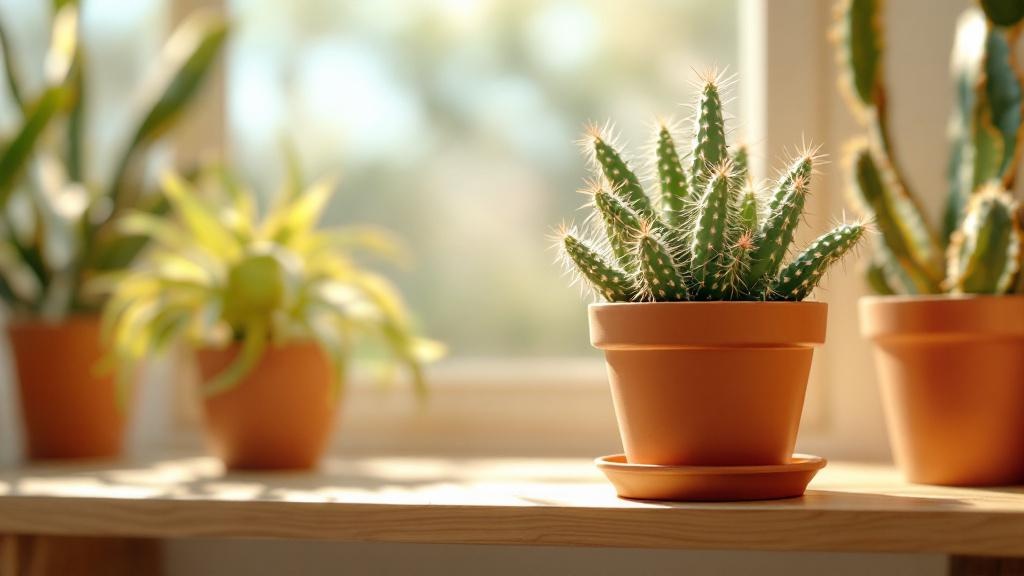
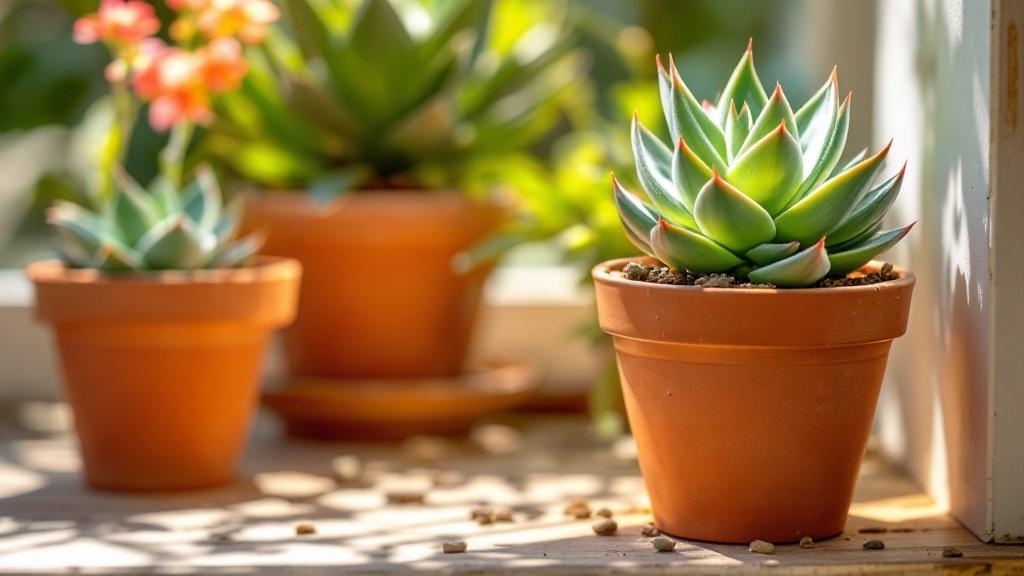
The Lipstick Echeveria catches every eye with its tight rosette of thick, triangular leaves tipped in vibrant red, as if dipped in lipstick. Native to rocky Mexican hillsides, this succulent has become a favorite windowsill plant across Europe and North America. The most common question growers ask is how to water it without causing rot, especially during cold, dark winters when overwatering is the number one killer of indoor succulents.
Watering Your Lipstick Echeveria Without Causing Rot
Water deeply but infrequently, allowing the soil to dry completely between waterings. In summer, this typically means every 10-14 days; in winter, once a month or less is sufficient. Always empty the saucer after watering and never let the rosette sit in water. The soak-and-dry method works best: drench the soil, let it drain fully, then wait until bone dry before repeating.
Light Requirements for Vibrant Red Leaf Tips
Lipstick Echeveria needs at least 4-6 hours of bright light daily to maintain its compact shape and red coloring. A south or west-facing windowsill is ideal in temperate homes. In summer, you can move it outdoors after the last frost in late May, but introduce it gradually to prevent sunburn. Insufficient light causes etiolation, stretching that weakens the plant permanently.
Soil and Repotting for Healthy Roots
Use a fast-draining mix of standard cactus soil combined with extra perlite or grit at a 1:1 ratio. Repot every 2-3 years in spring, choosing a pot only slightly larger than the root ball. Terracotta pots are excellent for temperate climates as they wick away excess moisture. Always ensure drainage holes are present to prevent waterlogged roots.
Temperature and Humidity Through the Seasons
This succulent thrives between 10-25°C and tolerates brief dips to 5°C but cannot survive frost. Bring outdoor plants inside by mid-September in zones 5-8 before nighttime temperatures drop. Average household humidity of 40-50% is perfect; avoid placing near humidifiers or in bathrooms. Good air circulation helps prevent fungal issues during damp autumn months.
Fertilizing for Strong Growth
Feed sparingly with a balanced liquid fertilizer diluted to half strength once a month from April through August. Stop fertilizing entirely from September to March when growth slows significantly. Over-fertilizing causes leggy growth and weakens the plant's natural defenses. If in doubt, skip a feeding; succulents are adapted to nutrient-poor soils.
Common Problems and How to Fix Them
Mealybugs are the most frequent pest, appearing as white cottony masses in leaf axils; treat with isopropyl alcohol on a cotton swab or neem oil spray. Root rot from overwatering shows as mushy, translucent lower leaves; remove affected parts, let the stem dry, and repot in fresh dry soil. Etiolated stretching indicates insufficient light; move to a brighter spot immediately, though existing stretch cannot be reversed.
Frequently asked questions
How often should I water Lipstick Echeveria?
Water every 10-14 days in summer and once a month in winter, only when the soil is completely dry. Always use the soak-and-dry method, drenching the soil then letting it dry out fully. Overwatering is the most common cause of death in these succulents.
Why are my Echeveria agavoides leaves turning yellow?
Yellow leaves usually indicate overwatering or poor drainage causing root stress. Check the roots for rot, reduce watering frequency, and ensure your pot has drainage holes. Occasional yellowing of the oldest bottom leaves is normal as the plant reabsorbs them.
When does Lipstick Echeveria bloom?
Lipstick Echeveria typically blooms in late spring to early summer, producing tall stalks with orange-red flowers. Indoor plants in temperate climates may not bloom without a cool winter rest period and strong light. The flowers attract pollinators if grown outdoors.
Is Lipstick Echeveria toxic to cats?
No, Lipstick Echeveria is non-toxic to cats, dogs, and humans. It is considered safe for households with curious pets. However, ingestion may still cause mild stomach upset, so keeping plants out of reach is sensible.
Can Echeveria agavoides survive winter outdoors in the UK?
No, Lipstick Echeveria cannot survive UK winters outdoors as it is frost-sensitive below 5°C. Bring plants indoors by mid-September and place in a bright, cool spot around 10-15°C for dormancy. They can return outside after the last frost in late May.