Valerian
Valerian has been cultivated for centuries as a natural sleep aid and calming herb, making it a rewarding addition to any medicinal herb garden. The most common question gardeners ask is how to grow valerian successfully for root harvest. This tall, elegant perennial produces clusters of sweetly scented flowers in early summer while its roots develop the compounds that have made it famous in herbal medicine. Once established, valerian requires minimal attention and returns reliably year after year in temperate climates.
Watering Your Valerian: Keeping Roots Healthy
Valerian prefers consistently moist soil and should be watered deeply once per week during the growing season, or every 4 to 5 days during hot, dry spells in July and August. Reduce watering to every 10 to 14 days from late October through winter when the plant is dormant. Mulching around the base in May helps retain soil moisture and reduces watering frequency during summer months.
Light Requirements for Strong Valerian Growth
Valerian grows best in full sun to partial shade, ideally receiving 4 to 6 hours of direct sunlight daily. In warmer parts of zone 8, afternoon shade helps prevent leaf scorch during midsummer heat waves. Plants grown in too much shade become leggy and produce smaller root systems, so choose your sunniest herb bed for the best medicinal harvest.
Soil and Repotting: Creating the Ideal Growing Medium
Plant valerian in rich, loamy soil with good drainage and a pH between 5.5 and 7.0. Amend heavy clay soils with compost and coarse sand before planting in April or September. Container-grown valerian needs a pot at least 30 cm deep to accommodate the root system and should be repotted every 2 years in early spring. Add well-rotted manure or garden compost to the planting hole for the nutrient-rich conditions valerian loves.
Temperature and Humidity for Temperate Climates
Valerian is exceptionally cold-hardy, surviving winters down to minus 30°C without protection in USDA zones 4 through 8. The plant dies back completely after the first hard frost in October or November and re-emerges in late March or early April. Average humidity levels in Central Europe and the UK are ideal, though valerian tolerates both humid and moderately dry conditions once established.
Fertilizing Valerian Through the Growing Season
Apply a balanced organic fertilizer or compost tea in mid-April when new growth emerges, then again in early June before flowering. Avoid high-nitrogen fertilizers after July, as this promotes leafy growth at the expense of root development. For medicinal root harvest, a phosphorus-rich feed like bone meal in late summer encourages robust underground growth before the autumn dormancy period.
Common Problems: Pests and Diseases to Watch For
Aphids commonly cluster on new growth in May and June and can be controlled with a strong water spray or insecticidal soap. Powdery mildew may appear in humid summers, especially in crowded plantings with poor air circulation, so space plants 60 cm apart and avoid overhead watering. Root rot occurs in waterlogged soil, particularly during wet winters, so ensure excellent drainage and consider raised beds in heavy clay gardens.
Frequently asked questions
How often should I water valerian?
Water valerian deeply once per week during the growing season, increasing to every 4 to 5 days during summer heat waves. The soil should stay consistently moist but never waterlogged. Reduce watering to every 10 to 14 days during winter dormancy from November through February.
When should I harvest valerian root?
Harvest valerian roots in the autumn of the second or third year, ideally in late September or October after the foliage dies back. Roots contain the highest concentration of active compounds after at least two full growing seasons. Dig carefully with a garden fork, wash thoroughly, and dry the roots slowly at low temperatures.
Why are my valerian leaves turning yellow?
Yellow valerian leaves typically indicate overwatering or poor drainage causing root stress. Check that soil drains freely and reduce watering frequency if the ground feels soggy. Yellowing can also signal nitrogen deficiency in poor soils, which is corrected with a balanced fertilizer application in spring.
Is valerian toxic to cats?
Valerian is not toxic to cats, though cats are famously attracted to the scent of valerian root, similar to their reaction to catnip. The dried root contains compounds that many cats find irresistible and stimulating. Keep harvested roots stored securely if you prefer your cat does not access them.
When does valerian bloom?
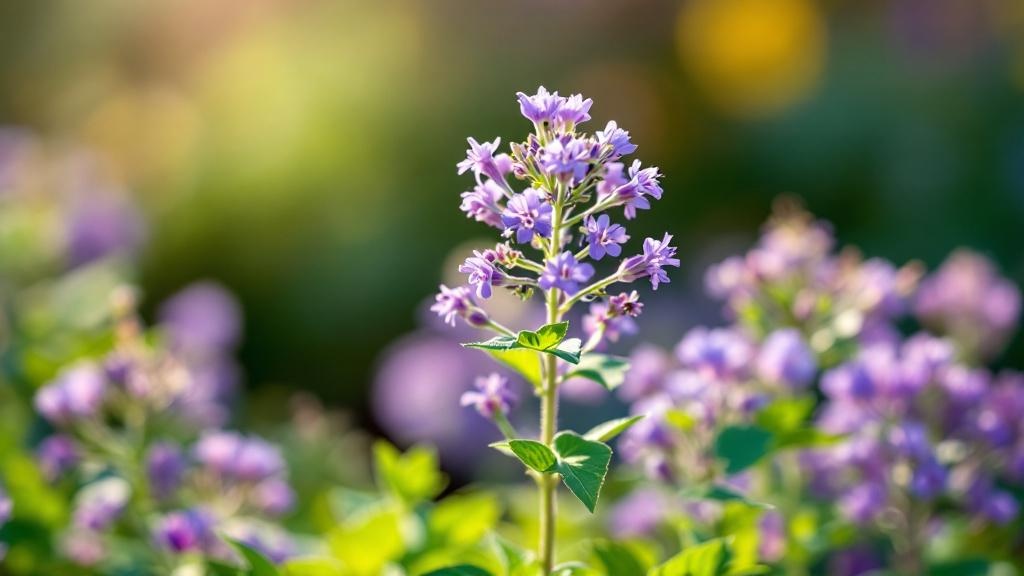
Valerian blooms from late May through July in temperate climates, producing clusters of small white to pale pink flowers atop tall stems reaching 1 to 1.5 meters. The flowers have a sweet, somewhat musky fragrance that attracts bees, butterflies, and other pollinators. Deadheading spent blooms prevents self-seeding and directs energy to root growth.