Lemon Balm
Lemon balm is a beloved culinary and medicinal herb prized for its bright, citrusy aroma and ease of care. Whether you're growing it on a sunny windowsill or in a garden bed, it's nearly impossible to kill. The most common question gardeners ask is how to keep it from spreading too aggressively—and we'll cover that too.
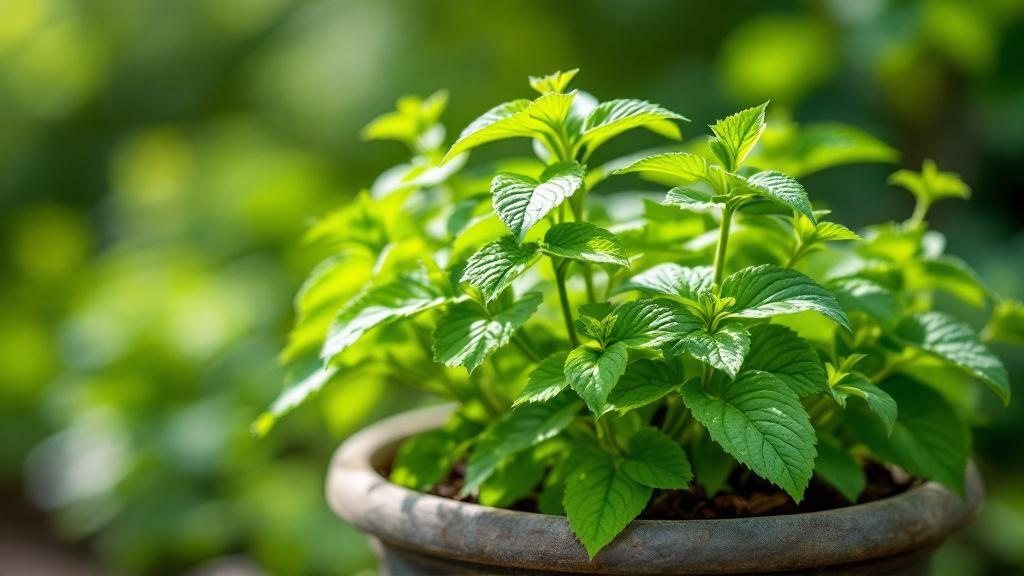
Watering Lemon Balm
Water lemon balm every 7-10 days during the growing season (April to September), keeping the soil consistently moist but not waterlogged. In winter, reduce watering to once every 2-3 weeks, as the plant enters dormancy in temperate climates. Container-grown lemon balm dries out faster than garden plants, so check soil moisture regularly. Overwatering is the only serious threat to this herb—ensure pots have drainage holes to prevent root rot.
Light Requirements for Lemon Balm
Lemon balm grows best in full sun (6-8 hours daily) but tolerates partial shade, especially in hot summers when afternoon shade prevents leaf scorch. Indoors, place it on a south or west-facing windowsill to encourage bushy growth and strong flavor. In shaded locations, plants become leggy and produce fewer aromatic leaves. If growing under artificial light, provide 12-14 hours daily at least 15 cm above the foliage.
Soil and Repotting
Lemon balm is not fussy about soil but prefers well-draining, fertile conditions with a pH of 6.0-7.0. Use standard potting soil mixed with perlite for container growing, or amend garden soil with compost before planting outdoors. Repot container plants in early spring (March) every 2-3 years, or when roots emerge from drainage holes. Garden plants rarely need repotting but benefit from a 5 cm layer of compost worked into the soil each autumn.
Temperature and Humidity
Lemon balm thrives in temperate conditions between 15-25°C and is winter-hardy down to -10°C (USDA zones 5-8), making it ideal for Central European and UK gardens. In hot summers above 28°C, the plant may wilt—water more frequently and provide afternoon shade. Humidity is not critical, but misting foliage occasionally improves growth indoors. Bring potted plants indoors in November before the first hard frost, or mulch outdoor plants heavily to protect roots.
Fertilizing Lemon Balm
Feed lemon balm every 4-6 weeks during the growing season (April to August) with a balanced, liquid fertilizer diluted to half strength. Alternatively, apply a 2-3 cm layer of compost around plants in late March for a slow-release nutrient boost. Over-fertilizing reduces essential oil concentration and flavor, so avoid high-nitrogen formulas. Container plants need more frequent feeding than garden plants because nutrients leach with watering.
Common Problems and Solutions
Leaf spots (usually fungal, appearing brown with yellow halos) occur in humid conditions—improve air circulation and remove affected leaves. Spider mites occasionally attack indoor plants in dry air; mist foliage and increase humidity to deter them. Powdery mildew may develop in cool, damp autumns; prune affected stems and thin the plant to improve air flow. Regular harvesting actually prevents most pests by keeping the plant vigorous and compact.
Frequently asked questions
How often should I water lemon balm?
Water every 7-10 days during spring and summer when the top 2 cm of soil feels dry, reducing to every 2-3 weeks in winter. Container plants dry faster than garden soil, so check moisture more frequently. Always ensure drainage holes prevent waterlogging.
Can I harvest lemon balm regularly?
Yes, pinch off the top 5-10 cm of stems regularly from May onwards to encourage bushier growth and continuous harvesting. Never remove more than one-third of the plant at once. Regular harvesting actually improves plant vigor and prevents flowering, which extends leaf production into autumn.
Why is my lemon balm getting leggy and sparse?
Legginess indicates insufficient light or infrequent harvesting. Move the plant to a brighter location (ideally 6+ hours direct sun) and start pinching out growing tips weekly to promote branching. If already established, cut the plant back by half in late March to rejuvenate it.
How do I prevent lemon balm from spreading too much?
Lemon balm self-seeds readily and spreads via underground rhizomes in gardens. Deadhead flowers before they set seed and contain plants in large pots or bordered beds. For aggressive outdoor growth, sink containers into the garden to limit rhizome spread, or harvest heavily to suppress flowering.
Is lemon balm safe for pets?
Yes, lemon balm is completely safe for cats, dogs, rabbits, and other household pets. Some herbalists even recommend small amounts for pet digestive health, though always consult a veterinarian before using herbs medicinally for animals.