Glorious Philodendron
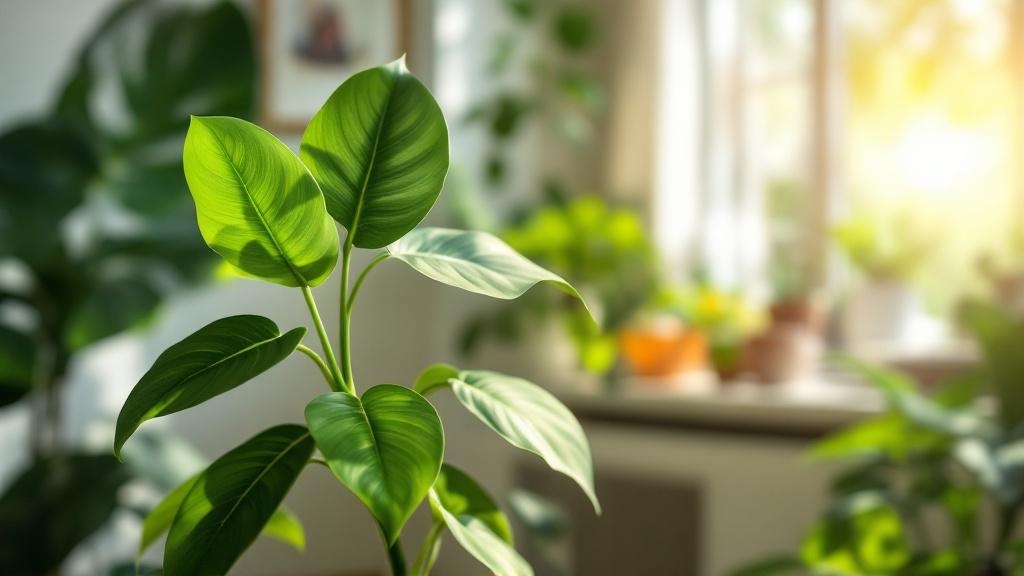
Philodendron gloriosum is prized by houseplant collectors for its dramatic heart-shaped leaves with bold white veination and velvety texture. Native to Colombian rainforests, it adapts well to indoor growing in temperate homes but requires consistent warmth and humidity. The most common question growers ask is how to keep the leaves glossy and prevent browning—and the answer lies in stable moisture and air circulation.
Watering Your Glorious Philodendron
Water every 7-10 days during the growing season (April to September), keeping the soil consistently moist but not waterlogged. In autumn and winter, reduce watering to every 10-14 days as growth slows; allow the top 2-3 cm of soil to dry slightly between waterings. Always use room-temperature, filtered water to avoid mineral deposits on the velvety leaves. Check soil moisture with your finger before watering—overwatering is the leading cause of root rot in this species.
Light Requirements for Best Growth
Glorious Philodendrons thrive in bright, indirect light—ideally an east or north-facing window in temperate climates. While they tolerate lower light, leaves will be smaller and veins less prominent without adequate brightness. Avoid direct sun, which can bleach or scorch the delicate foliage. If your home lacks natural light, supplement with a grow light positioned 30-50 cm above the plant for 10-12 hours daily during winter months.
Soil & Repotting Guidelines
Use a well-draining aroid mix—combine peat moss, perlite, and orchid bark in a 2:1:1 ratio to mimic the plant's natural epiphytic habitat. Repot every 18-24 months in spring when roots emerge from drainage holes or growth stalls. Choose a pot only 2-3 cm larger than the current one; oversized pots retain excess moisture and invite root rot. Ensure all pots have drainage holes and use terracotta for better air circulation.
Temperature & Humidity Management
Maintain temperatures between 18-26°C throughout the year; the plant suffers below 15°C and loses leaves in cold drafts. Humidity is critical—aim for 60-80% to keep the velvety leaves healthy and prevent browning. In dry Central European winters, mist the leaves 2-3 times weekly or place the pot on a pebble tray filled with water. Alternatively, group plants together or use a humidifier to raise ambient moisture around your collection.
Fertilizing for Vigorous Growth
Feed with a balanced, diluted liquid fertilizer (NPK 10-10-10) every 2-3 weeks from April through September during the active growing season. Reduce feeding frequency to once monthly in autumn and stop entirely from November to March when growth slows. Overfertilizing causes salt buildup on the soil and leaf tips; if you notice crusty deposits, flush the soil with distilled water. Organic options like diluted fish emulsion work well for this plant.
Common Problems & Solutions
Yellow leaves and soft stems usually indicate overwatering or poor drainage—check roots for rot and repot into fresh, dry soil immediately. Brown leaf edges and crispy spots occur in low humidity and dry air; increase misting and move away from heaters and cold windows. Spider mites occasionally attack Philodendrons in heated winter homes; spray leaves with insecticidal soap or neem oil every 5-7 days until resolved. Scale insects may also appear on stems—wipe them off with an alcohol-soaked cotton swab.
Frequently asked questions
How often should I water Philodendron gloriosum?
Water every 7-10 days in spring and summer when the top 2-3 cm of soil feels dry. In autumn and winter, extend this to 10-14 days as the plant enters dormancy and requires less moisture. Always check soil before watering to avoid overwatering, which quickly leads to root rot.
Why are my Glorious Philodendron leaves turning yellow?
Yellow leaves most often signal overwatering or poor drainage causing root rot. Check the roots for soft, brown tissue and repot immediately into fresh, well-draining soil. If roots are healthy, the yellowing may be low light or nutrient deficiency—move the plant closer to a window and apply balanced fertilizer every 2-3 weeks during the growing season.
Does Philodendron gloriosum need high humidity?
Yes, this tropical plant thrives in 60-80% humidity and will develop brown leaf edges and crispy tips in dry conditions. In temperate climates with low winter humidity, mist the foliage 2-3 times per week, place on a pebble tray with water, or use a room humidifier to maintain moisture.
Is Glorious Philodendron toxic to pets?
Yes, it is toxic to cats and dogs. The plant contains calcium oxalate crystals that cause oral irritation, drooling, and difficulty swallowing if ingested. Keep it out of reach of pets, and wear gloves when handling to avoid skin irritation.
Can I propagate Philodendron gloriosum from cuttings?
Yes, propagate in spring or early summer by taking 10-15 cm stem cuttings with at least two leaves and aerial roots if visible. Place cuttings in moist perlite or sphagnum moss, maintain high humidity with a plastic bag or propagator, and provide warm temperatures around 21-24°C. Roots typically develop within 3-4 weeks, then transfer to soil.