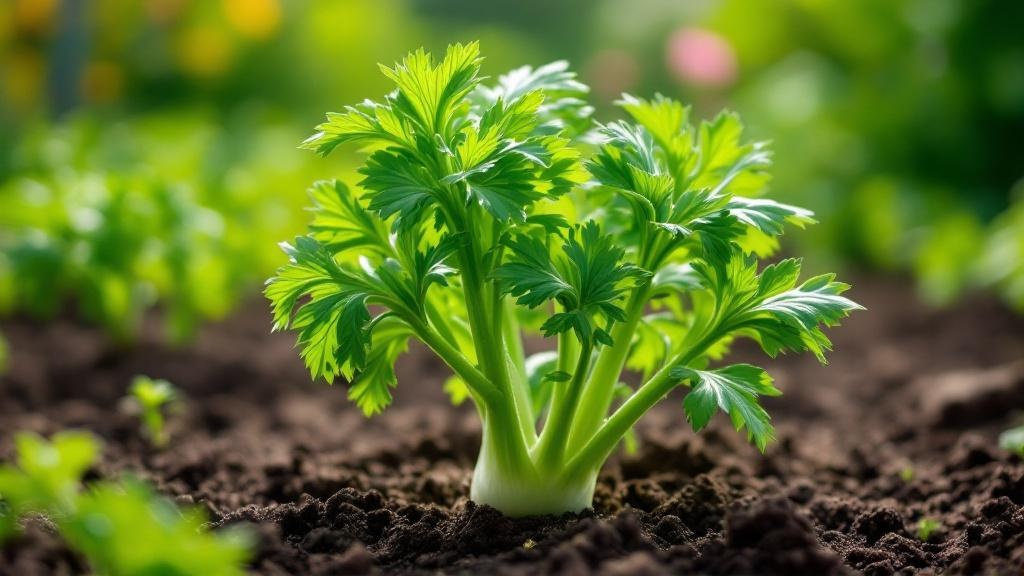
Garden Phlox
Garden Phlox is the quintessential cottage garden perennial, beloved for its towering flower heads and sweet fragrance that attracts butterflies throughout July and August. Native to eastern North America, it thrives in temperate climates and has become a staple in European and British gardens. The most common question gardeners ask is how to prevent the powdery mildew that plagues this otherwise easy-going plant. With proper spacing, watering technique, and variety selection, you can enjoy spectacular phlox displays for years.
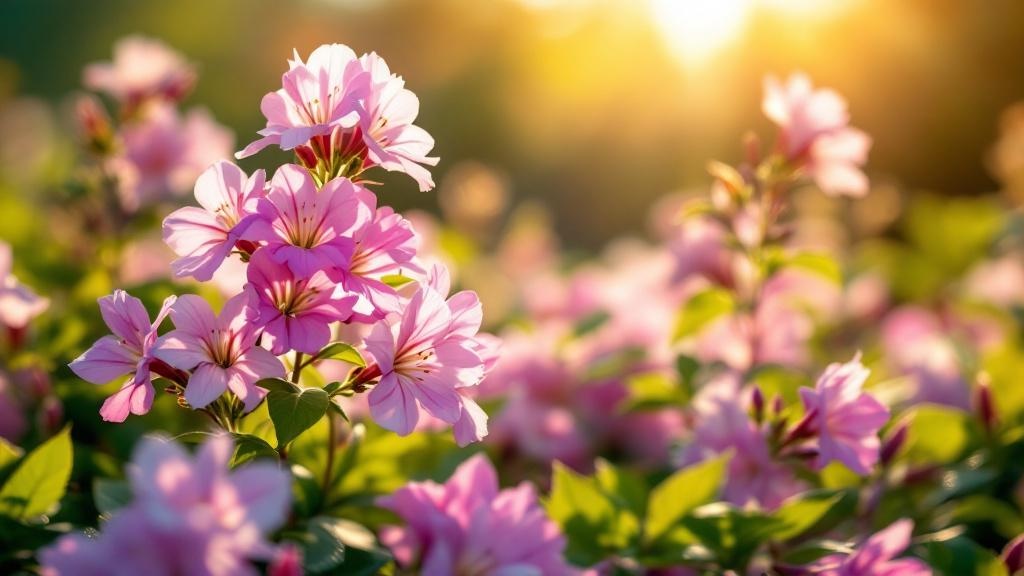
Watering Garden Phlox: Technique Matters More Than Frequency
Water Garden Phlox deeply once per week during the growing season, providing about 2-3 centimeters of water. Always water at the base of the plant in the morning, never overhead, as wet foliage dramatically increases powdery mildew risk. During hot spells in July and August, increase to twice weekly. Reduce watering in autumn once flowering finishes, but ensure plants go into winter with moist soil.
Light Requirements: Finding the Sweet Spot
Garden Phlox performs best in full sun with at least 6 hours of direct light daily, though it appreciates afternoon shade in hotter summers. In temperate climates, a south or west-facing border is ideal. Too much shade leads to leggy growth, fewer blooms, and increased disease pressure. Good air circulation around plants is just as important as light levels.
Soil and Repotting: Setting Up for Success
Plant Garden Phlox in rich, humus-laden soil that retains moisture but drains well. Work in generous amounts of garden compost or well-rotted manure before planting in spring or early autumn. Phlox are heavy feeders with shallow root systems, so a 5-centimeter layer of organic mulch in late March helps retain moisture and suppress weeds. Divide established clumps every 3-4 years in early spring to maintain vigor.
Temperature and Humidity: Hardy but Airflow-Dependent
Garden Phlox is reliably hardy throughout temperate regions, tolerating winter temperatures down to minus 30 degrees Celsius once established. Cut back stems to 5 centimeters in late October after the first hard frost. The plant actually requires winter chill for proper dormancy. High humidity combined with poor airflow is problematic, so space plants 45-60 centimeters apart to allow air movement through the foliage.
Fertilizing for Maximum Blooms
Apply a balanced slow-release fertilizer in late March when new growth emerges, then side-dress with compost in early June as flower buds form. Avoid high-nitrogen feeds which promote leafy growth at the expense of flowers. A light application of tomato fertilizer in July can extend the blooming period. Stop feeding by mid-August to allow plants to harden off before winter.
Common Problems: Mildew, Mites, and More
Powdery mildew is the primary challenge, appearing as white powder on leaves from July onwards. Choose resistant varieties and improve airflow to prevent it. Spider mites can attack during hot, dry summers, causing stippled yellowing leaves; spray foliage with water during dry spells and use insecticidal soap if infestations occur. Phlox plant bugs cause distorted shoot tips and small holes in upper leaves; remove affected growth and clean up debris in autumn to break the lifecycle.
Frequently asked questions
How often should I water Garden Phlox?
Water Garden Phlox deeply once per week, applying water directly to the soil rather than over the leaves. During heatwaves, increase to twice weekly. Morning watering is best as it allows any splashed foliage to dry quickly, reducing disease risk.
Why are my Garden Phlox leaves turning white?
White powdery coating on phlox leaves is almost certainly powdery mildew, a fungal disease that thrives in humid conditions with poor air circulation. Improve spacing between plants, water only at ground level, and remove affected leaves promptly. For severe cases, apply a sulphur-based fungicide or neem oil every 7-10 days.
When does Garden Phlox bloom?
Garden Phlox blooms from early July through September in temperate climates, with peak flowering in late July and August. Deadheading spent flower clusters promptly encourages side shoots to bloom, extending the display by several weeks. Some varieties offer a second flush in early autumn.
Is Garden Phlox toxic to cats?
No, Garden Phlox is non-toxic to cats, dogs, and other pets. It is considered a safe choice for gardens where animals roam freely. However, any plant material can cause mild stomach upset if consumed in large quantities.
How do I stop my Garden Phlox getting powdery mildew?
The best prevention is choosing mildew-resistant varieties such as David, Jeana, or Shortwood. Space plants 45-60 centimeters apart for good airflow, water only at the base in morning, and thin crowded stems in late spring to reduce humidity around foliage. Remove and dispose of any affected leaves immediately.
🩺 Common diseases and pests
These problems commonly affect this plant. Click any to see full symptom descriptions, organic and chemical treatment, and prevention.