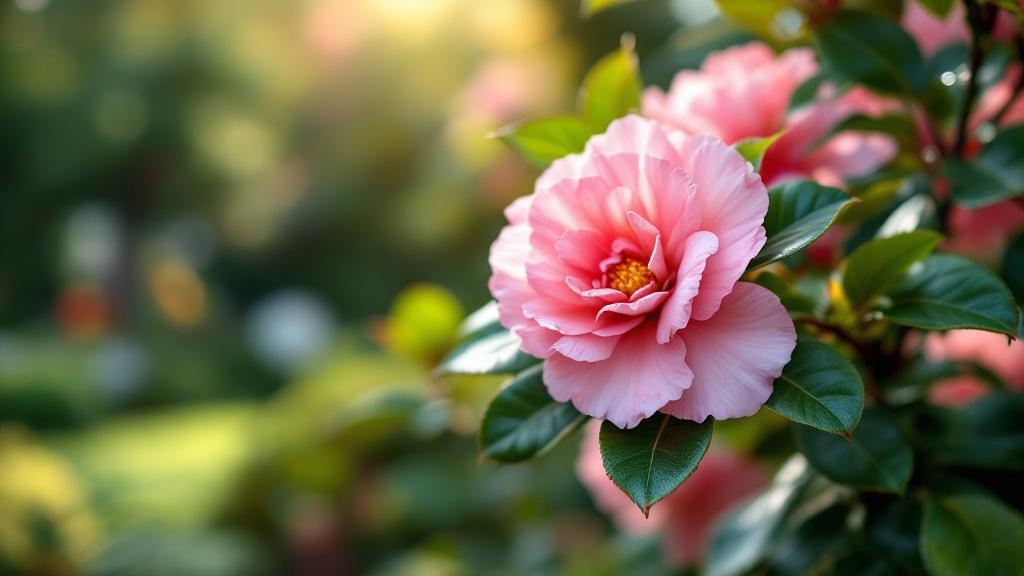
Christmas Cactus
Christmas cactus (Schlumbergera) differs from desert cacti—it's a tropical epiphyte that craves more moisture and shade. The most common question gardeners ask is how to trigger winter blooms reliably. Unlike many succulents, this plant rewards consistent care with stunning crimson, pink, or white flowers that appear reliably in late November through January in temperate regions.
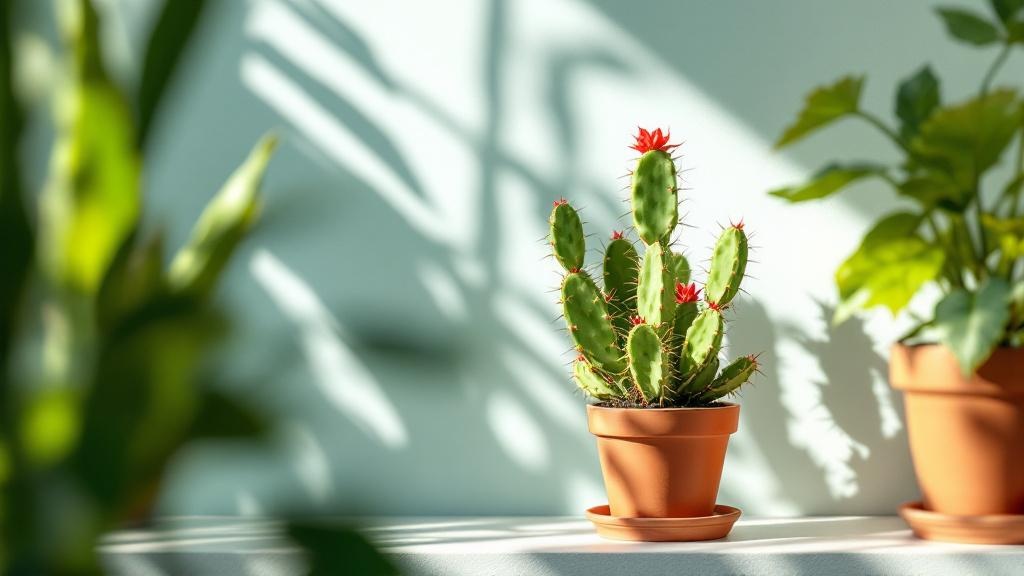
Watering Christmas Cactus Correctly
Water thoroughly every 7–10 days during spring and summer, allowing the top inch of soil to dry slightly between waterings. From September onwards, reduce watering frequency to every 10–14 days to trigger the flowering cycle; this drier rest period is essential for bud formation. Never let the soil become completely dry or waterlogged—both extremes cause root rot or bud drop. In temperate winters, check soil moisture before watering, as growth slows and evaporation decreases indoors.
Light Requirements for Blooming
Christmas cactus thrives in bright, indirect light—place it near an east or west-facing window with sheer curtains, or 1–2 metres from a south-facing window. Direct afternoon sun, especially in summer, scorches the flattened segments and reduces flowering potential. In autumn, ensure your plant receives 12–14 hours of uninterrupted darkness daily to set flower buds; this is why plants on windowsills often bloom reliably while those near constant artificial light may fail to flower.
Soil and Repotting Schedule
Use a moisture-retentive but well-draining mix—blend regular potting compost with orchid bark or perlite in equal parts. Christmas cactus prefers slightly acidic soil (pH 6–6.5). Repot every 2–3 years in spring, just after flowering ends, using a container only 1–2 cm larger than the previous one. Large pots increase the risk of waterlogging; Christmas cactus actually flowers more reliably when slightly pot-bound.
Temperature and Humidity Management
Maintain temperatures between 15–25°C year-round, with a crucial winter cool period of 10–15°C (50–59°F) from September to November to trigger blooming. In temperate homes, a cool windowsill or unheated porch works perfectly. Christmas cactus appreciates moderate humidity (40–50%); mist the segments lightly in dry indoor heating seasons or set the pot on a pebble tray with water. Avoid placing it directly above radiators or heat vents.
Fertilizing for Healthy Growth
Feed every 3–4 weeks with a balanced, diluted liquid fertiliser (such as 10-10-10 NPK) during the growing season from March to August. Switch to a low-nitrogen fertiliser (higher potassium, e.g., 0-10-10) from September onwards to encourage blooming. Stop fertilising entirely during the winter rest period. Over-fertilising causes lush foliage at the expense of flowers, so restrain yourself in autumn.
Common Problems and Fixes
Bud drop is the most frustrating issue—caused by inconsistent watering, temperature fluctuations, or insufficient cool winter rest; keep autumn conditions stable and cool to prevent it. Spider mites and mealybugs occasionally attack indoors, especially in dry heating season; spray affected plants with diluted insecticidal soap or neem oil every 7 days until clear. Soft, mushy stems indicate root rot from overwatering; reduce frequency and repot into fresh, dry soil immediately.
Frequently asked questions
How do I get my Christmas cactus to bloom?
Christmas cactus flowers trigger in response to cool temperatures (10–15°C) and 12–14 hours of darkness from September to November. Place it in a cool room away from artificial light during this period, reduce watering slightly, and avoid moving or rotating the plant. Buds typically form by late October and open in November–December.
Why are the leaves on my Christmas cactus turning red?
Red or purple-tinged segments usually signal excessive light exposure (too much direct sun) or cold stress during the autumn rest period. While some reddening is normal in cool conditions, prolonged intense sunlight can scorch and weaken the plant. Move it back slightly from the window if the colour is accompanied by papery textures.
How often should I water Christmas cactus?
Water every 7–10 days during the growing season (spring and summer), allowing the top inch of soil to dry slightly between waterings. Reduce to every 10–14 days from September through winter. Always check soil moisture before watering; the soil should feel slightly moist but never waterlogged.
Is Christmas cactus safe for cats and dogs?
Yes, Christmas cactus is completely non-toxic to cats, dogs, and other pets. Unlike poinsettias or certain lilies, there are no toxic compounds in the plant tissue, making it a pet-safe choice for any home.
Can I propagate Christmas cactus from cuttings?
Yes, propagation is simple and successful. Take 2–3 segment cuttings in spring or summer, let them air-dry for 1–2 days, then insert into moist potting mix. Keep at 18–21°C in bright, indirect light; roots develop within 3–4 weeks and new growth appears shortly after.