Philodendron
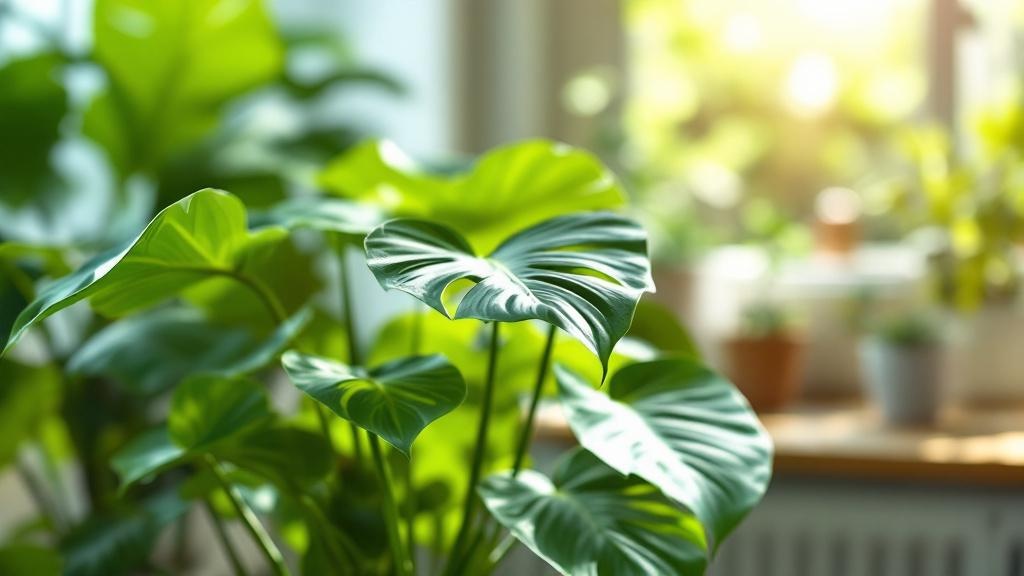
Philodendrons are among the most forgiving houseplants, thriving in average home conditions with minimal fuss. Whether you choose a vining variety like the heartleaf philodendron or a dramatic split-leaf type, these plants tolerate low light and irregular watering better than most. The most common question new owners ask: how often should I water? The answer depends on your home's humidity and season, but overwatering is far more common than underwatering.
Watering Your Philodendron
Water when the top 2-3 cm of soil feels dry to the touch, typically every 7-10 days in spring and summer. In autumn and winter, reduce frequency to every 10-14 days as growth slows and evaporation decreases. Always use room-temperature water and ensure pots have drainage holes to prevent root rot, a common problem in temperate homes with inconsistent heating. Yellow leaves and a musty smell are signs of overwatering — let the soil dry out more between waterings.
Light Requirements for Healthy Growth
Philodendrons prefer bright, indirect light but tolerate low light better than most houseplants, making them suitable for offices and dim corners. Place them near an east or north-facing window, or 1-2 metres from a south-facing window to avoid leaf scorch. Variegated varieties like pink or white philodendrons need more light to maintain colour; keep them closer to windows. If growth slows or leaves become smaller, gradually move the plant closer to a light source.
Soil and Repotting
Use a well-draining peat-based or coconut coir potting mix; adding 10-15% perlite improves drainage in temperate homes where heating can dry air quickly. Repot every 12-18 months in spring when roots emerge from drainage holes or growth noticeably slows. Choose a pot only 5 cm larger in diameter than the current one — too much soil retains moisture and risks root rot. Climbing varieties benefit from a moss pole or trellis to support their natural growth habit.
Temperature and Humidity
Philodendrons thrive between 18-27°C and struggle below 15°C; keep them away from cold window draughts in winter and heating vents in summer. They enjoy humid conditions but adapt to average household humidity. In dry central-heated homes during winter months, mist leaves weekly or place pots on pebble trays filled with water to increase moisture around the plant. Avoid exposing them to sudden temperature swings, which can cause leaf drop.
Fertilizing for Strong Growth
Feed every 4-6 weeks during the growing season (April to September) with a balanced houseplant fertilizer diluted to half strength. In autumn and winter, reduce feeding to monthly or stop entirely, as growth nearly halts in cool temperate conditions. Overfertilizing causes salt buildup in soil and damages roots; if leaf tips brown or growth stunts, flush the pot with water to clear excess salts. Organic liquid fertilizers work well for philodendrons in temperate gardens where temperature-controlled growth is predictable.
Common Problems and Solutions
Yellow leaves usually signal overwatering or poor drainage — check soil moisture and repot if needed. Spider mites appear in dry, heated homes; spray leaves with water or insecticidal soap weekly until gone. Brown leaf tips indicate low humidity or salt buildup; increase misting and reduce fertilizer. Mealybugs sometimes infest philodendrons; wipe stems with a cotton pad soaked in rubbing alcohol. Indoor aphids occasionally appear in spring; treat with neem oil spray applied every 7-10 days until resolved.
Frequently asked questions
How often should I water my philodendron?
Water every 7-10 days in spring and summer when the top 2-3 cm of soil feels dry, and every 10-14 days in autumn and winter. Check soil before watering — philodendrons prefer slightly dry conditions over soggy soil.
Can philodendrons grow in low light?
Yes, philodendrons tolerate low to medium light better than most houseplants, though they grow faster and look fuller in bright, indirect light. They work well in offices and dim corners but may develop slower growth in very dark spaces.
Why are my philodendron leaves turning yellow?
Yellow leaves most commonly indicate overwatering or poor drainage. Let soil dry out more between waterings and ensure the pot has drainage holes; repot into fresh, dry soil if root rot is suspected.
Is philodendron safe for cats and dogs?
No, philodendrons are mildly toxic to cats and dogs due to calcium oxalates. If your pet ingests leaves, it may experience mouth irritation or digestive upset; contact your vet if symptoms occur.
When should I repot my philodendron?
Repot every 12-18 months in spring when roots emerge from drainage holes or growth slows noticeably. Use a pot only 5 cm larger in diameter and fresh potting mix to prevent root rot.