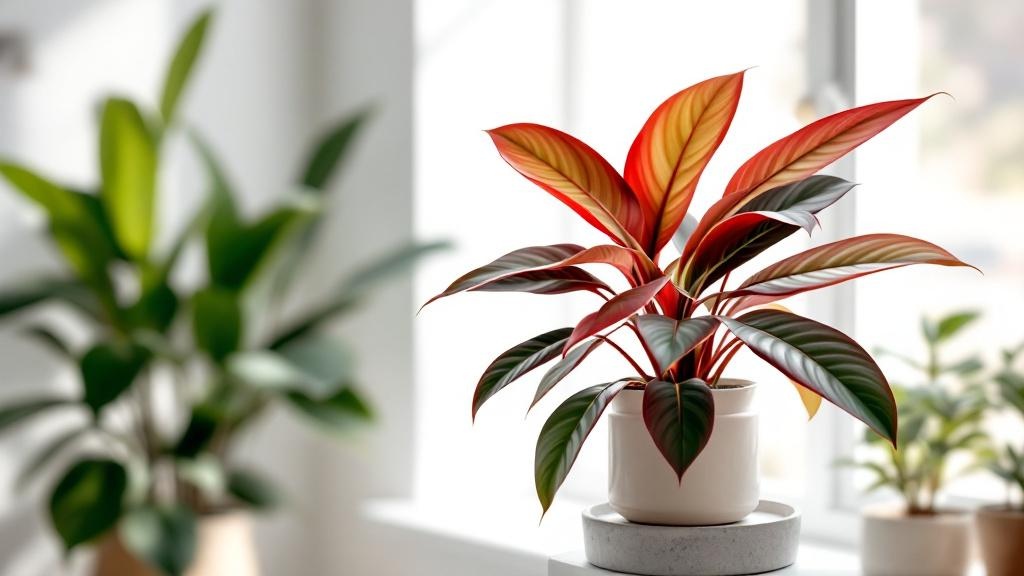
Red Aglaonema
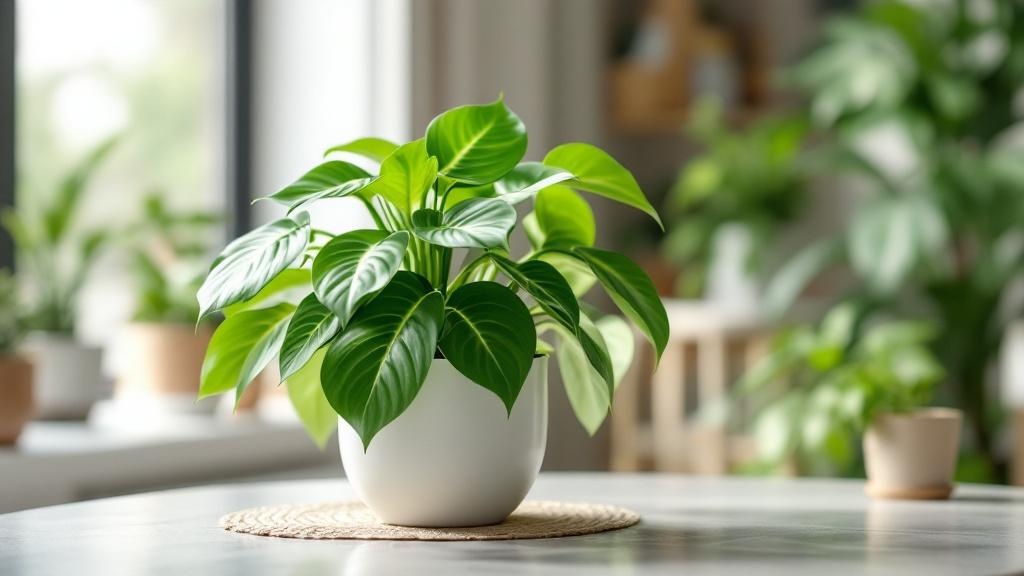
Red Aglaonema, also called Chinese Evergreen, is one of the most forgiving houseplants for temperate homes. Its crimson-streaked leaves brighten indoor spaces with minimal fuss. The most common question new growers ask: how much light does it actually need? The answer might surprise you — this plant tolerates lower light better than most, making it ideal for offices and north-facing rooms.
Watering Your Red Aglaonema
Allow the top 2-3 cm of soil to dry between waterings, then water thoroughly until it drains from the base. In temperate climates, this typically means watering every 7-10 days during spring and summer, extending to every 10-14 days in autumn and winter as growth slows. Overwatering is the leading cause of root rot in Aglaonema — always check soil moisture with your finger before watering. Tap water is fine, but if your area has hard water, collect rainwater to prevent mineral buildup on leaves.
Light Requirements for Red Aglaonema
Red Aglaonema performs best in bright, indirect light, but it's one of the few houseplants that genuinely tolerates low-light spaces. Place it near an east or north-facing window, or 1-2 meters from a south-facing window to avoid leaf scorch. In darker corners (common in northern European homes during winter), it will survive but grow more slowly and lose some red coloration. If foliage looks pale or washed out, move it to a slightly brighter spot.
Soil and Repotting Needs
Use a general-purpose, well-draining potting mix — a mix of peat or coco coir with perlite works well. Red Aglaonema is slow-growing and doesn't mind being slightly pot-bound, so repot only every 2-3 years, ideally in late March when growth begins. Choose a pot just 2-3 cm larger than the current one to avoid soggy soil. If the plant looks leggy or soil drains too quickly, refresh the top layer of compost annually in early spring.
Temperature and Humidity
Maintain temperatures between 18-27°C, keeping the plant away from cold drafts, radiators, and sudden temperature swings. In temperate regions, winter dormancy (October to February) is natural — reduce watering slightly during this period. Aglaonema tolerates average indoor humidity but appreciates occasional misting or placement on a pebble tray with water, especially in centrally heated homes. High humidity also helps prevent spider mites, a common pest in dry indoor environments.
Fertilizing Red Aglaonema
Feed with a balanced, water-soluble houseplant fertilizer diluted to half strength every 4-6 weeks during the active growing season (April to September). Reduce feeding in autumn and stop in winter when growth naturally slows. Over-fertilizing causes salt buildup, which brown leaf tips and stunts growth. If you prefer, a single slow-release fertilizer pellet added at repotting time in spring is sufficient for the whole year.
Common Problems and Solutions
Yellow leaves with soft stems usually indicate root rot from overwatering — repot into fresh soil and reduce watering frequency. Brown leaf tips suggest either low humidity, mineral buildup from hard water, or inconsistent watering; mist occasionally and use filtered water. Spider mites (tiny red or brown specks on leaf undersides) thrive in dry air and are common in temperate homes in winter — increase humidity, mist regularly, or spray with a neem oil solution available from garden centers. Scale insects occasionally appear on older plants; remove manually or treat with horticultural soap.
Frequently asked questions
How often should I water Red Aglaonema?
Water when the top 2-3 cm of soil is dry, typically every 7-10 days in spring and summer, and every 10-14 days in autumn and winter. Always check soil moisture before watering to prevent root rot, which is the most common problem.
Can Red Aglaonema grow in low light?
Yes, Red Aglaonema is one of the most shade-tolerant houseplants and survives in low-light spaces like offices or north-facing rooms. It grows slowly in low light and loses some red coloration, but it won't die like sun-loving plants would.
Is Red Aglaonema toxic to cats and dogs?
Yes, Red Aglaonema is mildly toxic to pets because it contains oxalates that irritate mouths and throats if ingested. Keep it out of reach of cats and dogs, or place it on a high shelf where pets cannot chew on the leaves.
Why are my Red Aglaonema leaves turning yellow?
Yellow leaves with soft stems typically indicate root rot from overwatering or poor drainage. Repot into fresh, well-draining soil and allow the soil to dry out between waterings. Yellow lower leaves can also be normal aging.
When should I repot my Red Aglaonema?
Repot every 2-3 years in late March or early April when growth begins. Choose a pot only 2-3 cm larger than the current one and use fresh, well-draining potting mix to refresh nutrients.