Bird's Nest Fern
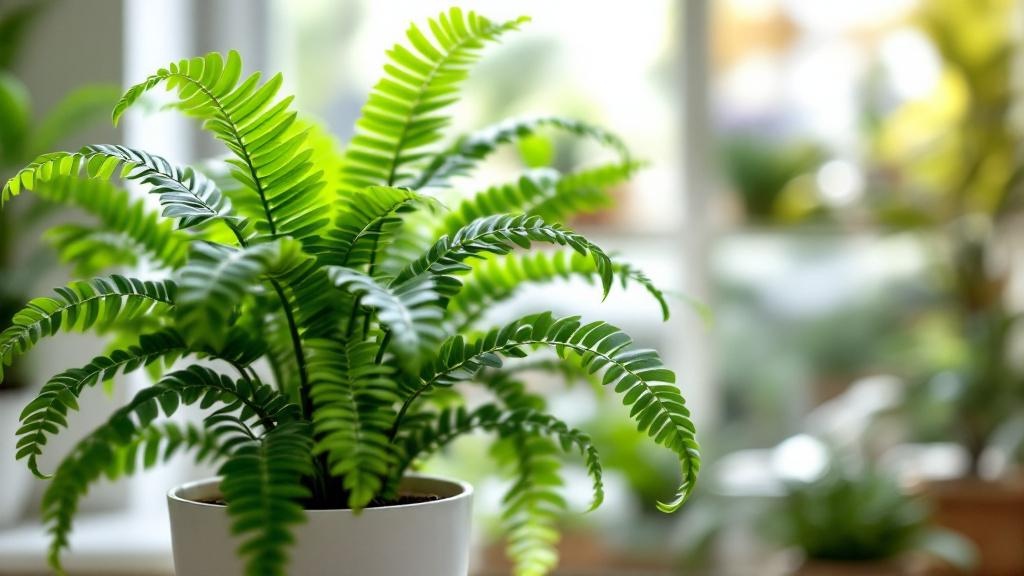
The Bird's Nest Fern brings lush, tropical elegance to any room with its sculptural rosette of glossy, undulating fronds. Native to rainforest floors, it adapts surprisingly well to indoor life when given proper humidity and indirect light. The most common question plant owners google is why their fern's leaf edges turn brown and crispy — usually a humidity problem easily solved with the right placement and care routine.
Watering Your Bird's Nest Fern Correctly
Water when the top 2-3 cm of soil feels dry, typically every 5-7 days in spring and summer, stretching to 10-14 days in winter when growth slows. Always water around the edges of the rosette, never directly into the central nest, as standing water causes crown rot. Use room-temperature water, ideally filtered or rainwater, since this fern is sensitive to fluoride and chlorine found in tap water.
Light Requirements for Healthy Fronds
Position your Bird's Nest Fern in medium to low indirect light — north or east-facing windows work perfectly in temperate climates. Direct sunlight, especially harsh afternoon sun from May through August, scorches the delicate fronds and causes pale, bleached patches. This fern thrives in naturally dim corners where other houseplants struggle, making it ideal for bathrooms or shaded living rooms.
Soil and Repotting Guidelines
Use a rich, well-draining mix of peat-based compost with added perlite or orchid bark for aeration. Repot every 2-3 years in early spring (late March to April) when roots fill the current container, moving up only one pot size. Bird's Nest Ferns have shallow root systems, so choose a wider pot rather than a deeper one, and ensure excellent drainage to prevent waterlogging.
Temperature and Humidity Needs
Maintain temperatures between 16-24°C year-round, keeping the plant away from radiators during the October-March heating season and cold drafts from windows or doors. This tropical fern craves humidity above 50% — mist the fronds every 2-3 days, place the pot on a pebble tray with water, or group it with other humidity-loving plants. Bathrooms and kitchens often provide naturally higher humidity levels.
Fertilizing for Lush Growth
Feed with a balanced liquid fertilizer diluted to half strength every 4 weeks from April through September during active growth. Stop fertilizing entirely from October to March when the plant enters its rest period. Over-fertilizing causes brown leaf tips and salt buildup in soil, so always err on the side of less rather than more with this sensitive fern.
Common Problems and Solutions
Brown, crispy leaf edges indicate low humidity — increase misting or relocate to a more humid room. Scale insects and mealybugs occasionally appear, especially in centrally heated homes during winter; wipe them off with a cotton pad dipped in diluted rubbing alcohol. Yellowing fronds at the base are normal as older leaves age, but widespread yellowing suggests overwatering or poor drainage requiring immediate attention.
Frequently asked questions
How often should I water a Bird's Nest Fern?
Water every 5-7 days in the growing season and every 10-14 days in winter, when the top few centimetres of soil feel dry. Always water around the rosette edges, avoiding the central crown. Consistent moisture without sogginess is the key to healthy fronds.
Why are my Bird's Nest Fern leaves turning brown at the edges?
Brown, crispy edges are almost always caused by low humidity, which is common in heated homes from October through March. Increase humidity by misting regularly, using a pebble tray, or moving the plant to a bathroom. Also check that the plant is not near a radiator or in direct sunlight.
Is Bird's Nest Fern toxic to cats?
No, Bird's Nest Fern is completely non-toxic to cats, dogs, and other household pets. It is one of the safest houseplants you can choose for a pet-friendly home. However, discourage nibbling as it damages the attractive fronds.
Can Bird's Nest Fern grow in low light?
Yes, Bird's Nest Fern actually thrives in low to medium indirect light and is one of the best ferns for darker rooms. It naturally grows on shaded rainforest floors, so it tolerates conditions where many houseplants would struggle. Avoid direct sunlight, which scorches the leaves.
How big does a Bird's Nest Fern get indoors?
Indoors, Bird's Nest Ferns typically reach 30-60 cm in height and spread over several years with proper care. In ideal humid conditions, mature specimens can develop fronds up to 90 cm long. Growth is relatively slow, adding only a few new fronds each growing season.