Propeller Plant
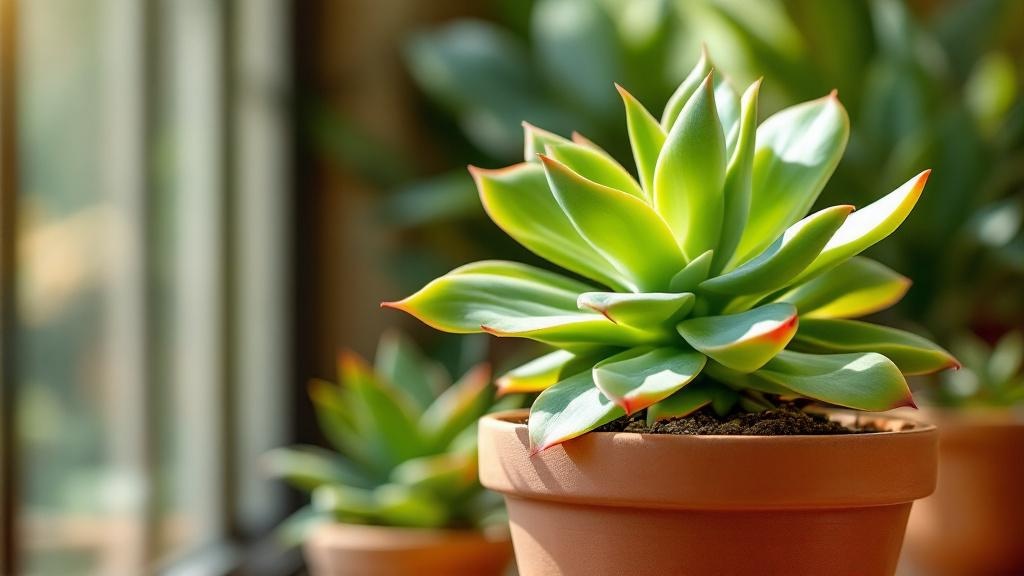
The Propeller Plant catches every eye with its architectural, twisted leaves that spiral like aircraft propellers from a central stem. Native to South Africa, this drought-tolerant succulent has become a favorite windowsill plant across temperate regions. The most common question gardeners ask is how often to water it without causing root rot. Good news: this is one of the most forgiving succulents you can grow, perfect for sunny spots where other plants struggle.
Watering Your Propeller Plant Without Overwatering
Water thoroughly every 14-21 days during the growing season (April through September), allowing the soil to dry completely between waterings. In winter, reduce to once monthly or even less, as the plant enters dormancy and cold, wet roots spell disaster. Always empty the saucer after watering to prevent standing water. The thick leaves store water efficiently, so when in doubt, wait another few days.
Light Requirements for Healthy Growth
Propeller Plants thrive in bright light, including several hours of direct sun daily. A south or west-facing windowsill is ideal in temperate climates. In summer, you can move the plant outdoors to a sheltered spot after mid-May when frost risk passes. Too little light causes leggy, stretched growth and pale leaves, while the characteristic grey-green color deepens with adequate sun exposure.
Soil and Repotting for Strong Roots
Use a fast-draining cactus and succulent mix, or blend standard potting soil with 50% perlite or coarse sand. Repot every 2-3 years in spring, moving up just one pot size. Terracotta pots work exceptionally well because they wick away excess moisture. When repotting, inspect roots for any signs of rot and trim damaged sections with clean scissors.
Temperature and Humidity Preferences
Propeller Plants prefer average room temperatures between 15-24°C during the growing season. They tolerate brief cold snaps down to 5°C but must be protected from frost. Bring outdoor plants inside by late September in most temperate regions. Average household humidity is perfectly fine; these succulents actually dislike humid environments and should be kept away from bathrooms or kitchens.
Fertilizing for Compact, Healthy Growth
Feed monthly from April through August with a balanced liquid fertilizer diluted to half strength, or use a specialized cactus feed. Skip fertilizing entirely from October through March when growth slows. Over-fertilizing causes weak, leggy growth and can burn roots, so less is genuinely more with this succulent.
Common Problems and How to Fix Them
Root rot from overwatering is the primary killer, showing as mushy stems and yellowing lower leaves. Cut away affected parts and repot in dry soil immediately. Mealybugs sometimes appear as white cottony clusters in leaf axils, especially on plants brought indoors for winter. Treat with isopropyl alcohol on a cotton swab or neem oil spray. Stretched, pale growth indicates insufficient light, so move to a brighter location gradually.
Frequently asked questions
How often should I water a Propeller Plant?
Water every 14-21 days in spring and summer, allowing soil to dry completely between waterings. In winter, reduce to once monthly or less. These succulents store water in their thick leaves and tolerate drought far better than overwatering.
Why are my Propeller Plant leaves turning yellow?
Yellow leaves typically signal overwatering or root rot. Check that the soil dries out fully between waterings and ensure your pot has drainage holes. Remove affected leaves and reduce watering frequency immediately.
When does the Propeller Plant bloom?
Propeller Plants bloom in late summer, typically August or September, producing clusters of small fragrant red or orange flowers. Mature plants over 3-4 years old are most likely to flower when given bright light and a cool winter rest period.
Is the Propeller Plant toxic to cats?
No, the Propeller Plant is not toxic to cats or dogs. It is considered safe for households with pets, though ingesting any plant material may cause mild stomach upset in sensitive animals.
Can I put my Propeller Plant outside in summer?
Yes, Propeller Plants benefit from spending summer outdoors after the last frost, typically mid-May in temperate climates. Place in a bright spot with some afternoon shade initially, and bring back inside by late September before temperatures drop below 5°C.