Lungwort
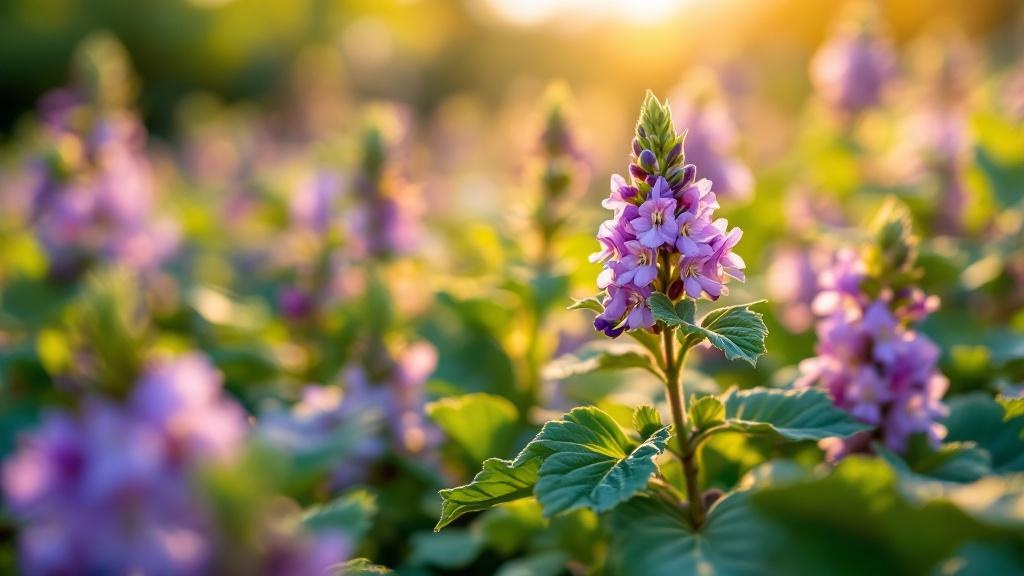
Lungwort is one of the first perennials to bloom in spring, often flowering as early as late March when little else is showing color. Its distinctive silver-spotted leaves remain attractive long after the pink-to-blue flowers fade, making it a year-round garden asset. The most common question gardeners ask is how to keep those beautiful spotted leaves from turning crispy and brown during summer, and the answer lies in understanding this woodland native's moisture needs.
Watering Lungwort: Keep the Soil Consistently Moist
Water lungwort deeply once or twice weekly during the growing season, more frequently during hot spells in July and August. The soil should feel like a wrung-out sponge: moist but never waterlogged. In autumn and winter, natural rainfall in temperate climates typically provides enough moisture, but check during dry October spells. Mulching with leaf mold or compost in late April helps retain soil moisture through summer.
Light Requirements: Embrace the Shade
Lungwort thrives in partial to full shade, making it perfect for north-facing borders or under deciduous trees. Morning sun with afternoon shade works well in cooler northern regions, but avoid hot afternoon sun which scorches the leaves. In the UK and northern Europe, dappled woodland shade mimics its natural habitat perfectly. Full sun is only tolerable in consistently cool, moist conditions.
Soil and Repotting: Rich Woodland Conditions
Plant lungwort in humus-rich soil amended with plenty of compost or well-rotted leaf mold. The ideal pH is slightly acidic to neutral, between 6.0 and 7.0. Divide established clumps every 3-4 years in early September or late March to maintain vigor and prevent overcrowding. When dividing, replant sections at the same depth and water thoroughly.
Temperature and Humidity: A True Cold-Climate Perennial
Lungwort is exceptionally cold-hardy, surviving winters down to minus 30 degrees Celsius without protection. It actually struggles more with heat than cold, often going semi-dormant if August temperatures exceed 30C for extended periods. High humidity suits this plant well, making it ideal for sheltered garden spots. No special overwintering care is needed in temperate zones.
Fertilizing Lungwort: Less Is More
Apply a light top-dressing of compost or well-rotted manure in early April as new growth emerges. A single application of balanced slow-release fertilizer at half strength in spring is sufficient for the entire season. Avoid high-nitrogen feeds which promote lush foliage susceptible to powdery mildew. Overfertilizing causes weak, floppy growth that diminishes the plant's natural charm.
Common Problems: Powdery Mildew and Slugs
Powdery mildew is the most frequent issue, appearing as a white coating on leaves during humid summers. Improve air circulation, water at soil level, and remove affected leaves promptly. Slugs and snails adore lungwort's tender foliage, especially in wet springs. Apply organic slug pellets or beer traps from late March onward. Leaf scorch with brown edges indicates too much sun or drought stress.
Frequently asked questions
How often should I water lungwort?
Water lungwort once or twice weekly to keep soil consistently moist but not soggy. During hot summer periods, you may need to water every 2-3 days. Reduce watering in autumn and winter when the plant is dormant and rainfall is typically sufficient.
Why are my lungwort leaves turning brown?
Brown leaves on lungwort usually indicate drought stress or too much direct sun. Move container plants to deeper shade immediately, or add mulch around garden plants to retain moisture. Severe powdery mildew can also cause browning, so check for white fungal patches on the undersides of leaves.
When does lungwort bloom?
Lungwort blooms in early spring, typically from late March through May in temperate climates. The flowers often open pink and gradually turn blue as they age, creating a charming two-tone effect. After flowering, cut back flower stalks to encourage fresh foliage growth.
Is lungwort toxic to cats?
Lungwort is not toxic to cats or dogs and is considered a pet-safe garden plant. While no plant should be eaten in large quantities, lungwort poses no poisoning risk if pets nibble the leaves. It can be safely planted in gardens where pets roam freely.
Can lungwort grow in full sun?
Lungwort cannot tolerate full sun in most temperate gardens and will develop scorched, brown leaves. It evolved as a woodland understory plant and requires shade to thrive. Only in consistently cool, overcast climates with moist soil might it tolerate morning sun.