Hyssop
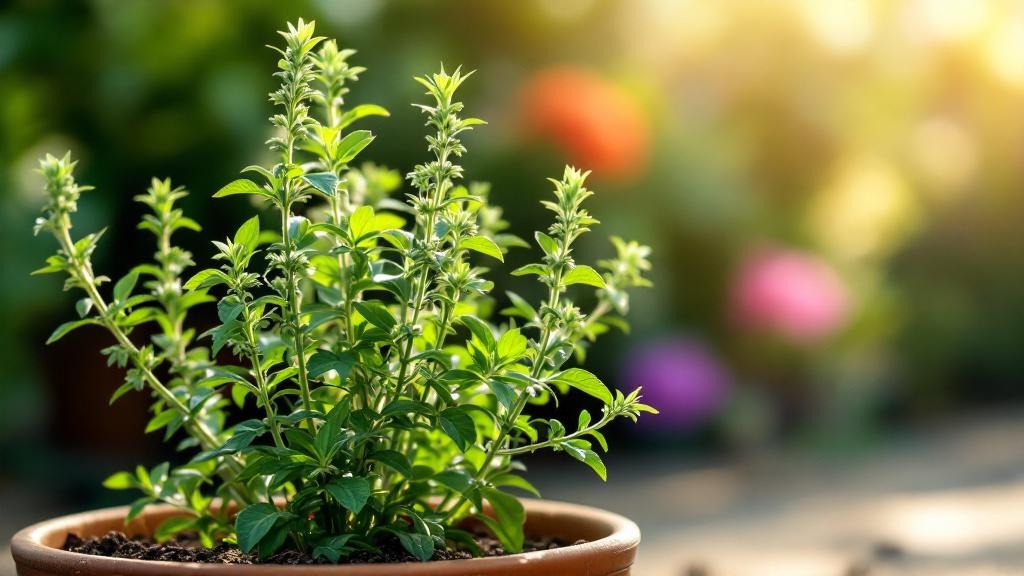
Hyssop (Hyssopus officinalis) is a beloved Mediterranean herb prized by gardeners across temperate Europe and North America for its vibrant flowers, aromatic leaves, and ability to attract bees and butterflies. Whether grown in herb gardens, borders, or containers, hyssop thrives with minimal fuss. The most common question new growers ask is how much water this drought-tolerant plant actually needs — and the answer might surprise you.
Watering Hyssop
Hyssop is drought-tolerant once established, but young plants need consistent moisture in their first growing season. Water newly planted hyssop every 7-10 days, or when the top inch of soil feels dry. In summer, mature plants may need water only during prolonged dry spells; in winter, reduce watering significantly. Overwatering is the primary cause of failure — ensure soil drains freely and never allow the plant to sit in wet soil.
Light Requirements for Hyssop
Hyssop demands full sun and will flower most abundantly with at least 6 hours of direct sunlight daily. It tolerates partial shade (4-6 hours) in hot southern regions, but flowering and foliage density decline in low light. Position your hyssop where it receives morning sun to dry dew and reduce fungal issues. In temperate climates like the UK and Central Europe, south-facing or west-facing locations are ideal.
Soil & Repotting Hyssop
Hyssop thrives in well-draining, poor to moderately fertile soil — rich soil encourages leggy growth at the expense of flowers. Add grit, coarse sand, or perlite to garden soil if it tends to retain moisture. Container-grown hyssop does well in John Innes No. 2 or a 50/50 potting mix and grit blend. Repot in spring only if roots are visibly congested; hyssop prefers slightly snug quarters and rarely needs annual repotting.
Temperature & Humidity for Hyssop
Hyssop is cold-hardy to around -15°C and needs no winter protection in most USDA zones 5-8 (Central Europe, UK, northern US). It actually prefers cool winters to initiate flowering. Provide good air circulation to prevent mildew in humid summers — spacing plants 30-40 cm apart aids airflow. Reduce watering in autumn as growth slows; the plant enters dormancy and resproutes from the base in spring.
Fertilizing Hyssop
Hyssop requires little feeding — in fact, overfertilizing produces weak, leafy growth with few flowers. In spring, work a light application of general-purpose balanced fertilizer (e.g., NPK 7-7-7) into the soil around established plants, or apply a dilute liquid feed monthly during the growing season. Container plants benefit from monthly liquid feeding at half strength from May through August. Cease feeding by late August to avoid soft new growth vulnerable to frost.
Common Hyssop Problems
Powdery mildew is the most common issue in humid, poorly ventilated spaces — improve air circulation and avoid wetting foliage. Root rot occurs when soil is waterlogged; replant in free-draining soil or reduce watering frequency. Hyssop sawfly larvae occasionally damage foliage in summer; remove affected shoots or treat with insecticidal soap if severe. Japanese beetles and flea beetles may nibble leaves in some regions but rarely cause serious damage to established plants.
Frequently asked questions
How often should I water hyssop?
Water young hyssop every 7-10 days until established; mature plants are drought-tolerant and need water only during dry spells. Always let the soil dry between waterings — hyssop prefers dry conditions and rots easily in wet soil.
Can hyssop grow in part shade?
Hyssop tolerates partial shade (4-6 hours of sun) but flowers best in full sun. In shaded locations, growth becomes leggy and flowering is sparse, so a south-facing position is ideal.
When does hyssop flower?
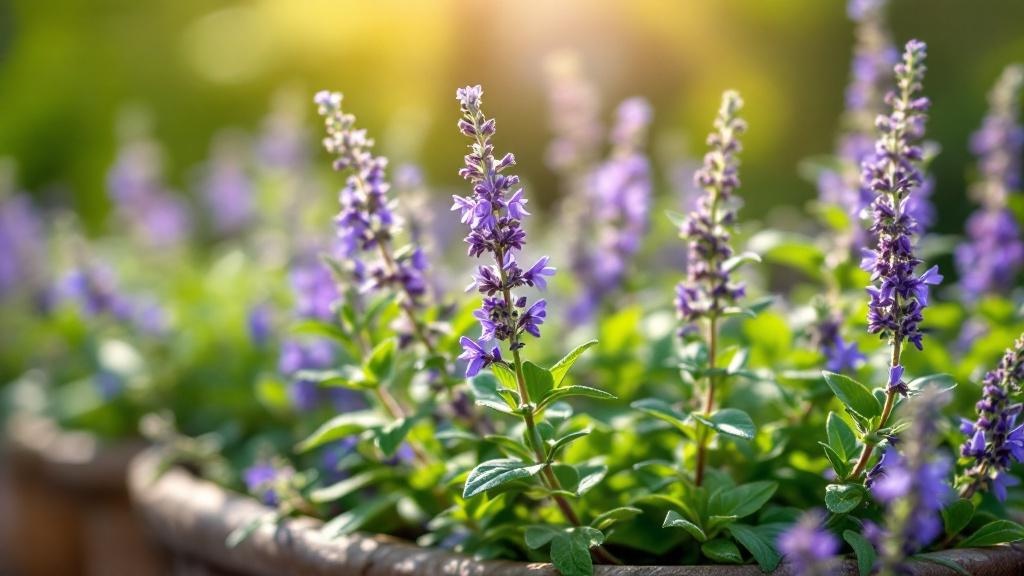
Hyssop blooms from mid-June through September in temperate climates, producing spikes of blue, pink, or white flowers. Deadheading spent flowers encourages continued blooming throughout summer.
Is hyssop safe for cats and dogs?
Yes, hyssop is non-toxic to cats and dogs. It is safe to grow near pets and is historically used in herbal remedies, though ingesting large quantities of essential oil is not recommended.
What soil does hyssop prefer?
Hyssop prefers well-draining, poor to moderately fertile soil — add grit or sand if your soil is heavy clay. Rich soil encourages weak, leafy growth rather than flowers; a lean, gritty soil produces the most compact, floriferous plants.