Sage
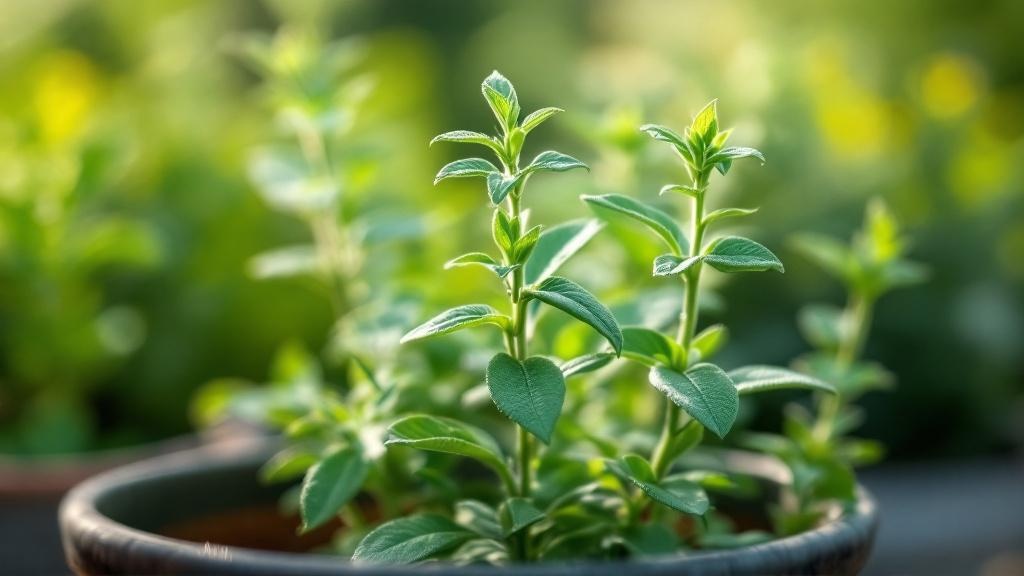
Garden sage (Salvia officinalis) is one of the most rewarding herbs to grow in temperate climates—hardy, drought-tolerant, and loaded with flavour for your kitchen. Whether you're starting from seed, a nursery plant, or propagating cuttings, the biggest question most gardeners have is how to keep sage healthy without overwatering it. This guide covers everything you need for thriving sage year-round.
Watering Sage Correctly
Sage prefers dry conditions and is prone to root rot if overwatered. Water only when the top inch of soil feels dry—roughly every 10-14 days in summer, and every 3-4 weeks in winter when growth slows. If growing in pots, ensure drainage holes are clear; outdoor plants in well-draining soil rarely need supplemental watering once established. During the dormant season (November to March), cut watering to a minimum—the plant needs very little moisture.
Light Requirements for Sage
Sage demands full sun to thrive: aim for at least 6-8 hours of direct sunlight daily. In shadier positions, growth becomes leggy and flavour diminishes. Indoors, place on a south or west-facing windowsill in temperate regions. If growing under artificial light, position LED grow lights 6-8 inches above the plant for 12-14 hours daily. Inadequate light is one of the main reasons for weak, pale sage plants.
Soil & Repotting Sage
Sage thrives in poor, sandy, very well-draining soil with a pH of 6.0-7.0. Use a mix of two parts potting compost to one part perlite or horticultural grit to prevent waterlogging. Repot only every 2-3 years in spring, as sage likes being slightly root-bound. Outdoor plants benefit from gritty, amended soil but rarely need repotting. Avoid rich, peat-heavy composts—they retain too much moisture and encourage disease.
Temperature & Humidity for Sage
Sage tolerates a wide temperature range (50-75°F ideal) and is hardy down to -10°C, making it reliable across USDA zones 5-8. It prefers low humidity and good air circulation. In humid summers, space plants well apart to reduce fungal issues. Indoors, avoid placing sage near heating vents or radiators in winter, as sudden temperature swings can stress it. Sage does not need humidifying—dry conditions actually suit it better.
Fertilizing Sage
Sage needs little fertilizer and actually produces better flavour in poor soil. Feed only once in spring (late March) with a light dose of balanced fertilizer diluted to half strength, or omit feeding entirely if the plant looks healthy. Outdoor garden sage in established beds rarely requires feeding. Over-fertilizing produces lush foliage but weak flavour and weak stems. Focus on good drainage and sunlight instead of feeding.
Common Problems & Solutions
Root rot from overwatering is the main killer—prevent it by letting soil dry between waterings and using well-draining compost. Powdery mildew appears as white coating on leaves in humid, poorly ventilated conditions; improve air circulation and reduce watering from above. Spider mites and whitefly can affect indoor plants in spring and early summer; spray with insecticidal soap or neem oil if needed. Sage is generally pest-resistant outdoors in temperate regions.
Frequently asked questions
How often should I water sage?
Water sage every 10-14 days in summer when the top inch of soil is dry, and only every 3-4 weeks in winter. Sage is drought-tolerant and prefers to dry out between waterings; overwatering causes root rot, the most common reason sage dies.
Can I grow sage indoors?
Yes, sage grows well indoors on a sunny south or west-facing windowsill with at least 6 hours of direct light daily. Ensure good air circulation, avoid overwatering, and you'll have fresh leaves for cooking year-round.
When should I harvest sage?
Start harvesting sage leaves once the plant is 6-8 inches tall, typically 6-8 weeks after planting. Pinch off the top leaves regularly to encourage bushiness. In temperate climates, harvest most heavily in spring and summer; reduce harvesting from September onwards to allow the plant to harden off for winter.
Is sage toxic to cats or dogs?
No, sage (Salvia officinalis) is completely safe for cats and dogs to be around and is not toxic if nibbled. It's commonly used in pet-friendly herb gardens.
Why are my sage leaves turning yellow?
Yellow leaves usually signal overwatering or poor drainage, causing root rot. Check that soil drains freely, reduce watering frequency, and repot into fresh, gritty compost if roots smell mushy. Occasionally, nutrient deficiency or old age can yellow lower leaves, which is normal—simply remove them.