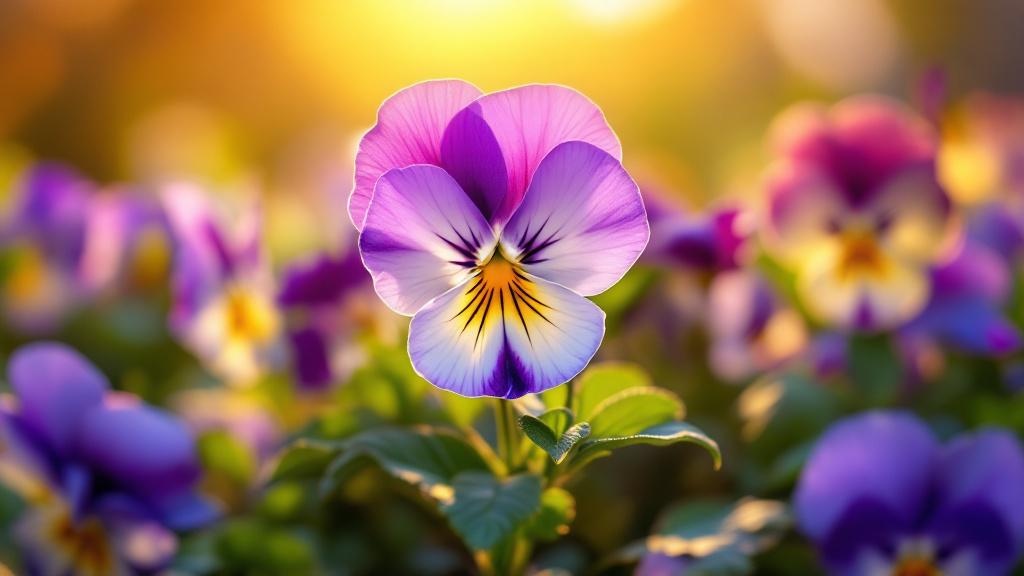
Pansy
Pansies (Viola tricolor) are beloved by gardeners across temperate regions for their distinctive velvet petals and wide range of colors. Whether you're growing them as seasonal bedding or in containers, the most common question is how to keep them blooming abundantly through cool seasons. With the right care, your pansies will reward you with months of vibrant flowers from autumn through spring.
Watering Your Pansies
Pansies prefer consistently moist but not waterlogged soil. Water 2-3 times per week during the growing season, adjusting frequency based on rainfall and pot drainage. In winter, reduce watering slightly as growth slows, but never allow the soil to dry out completely. Always water at soil level rather than overhead to minimize fungal issues in damp conditions.
Light Requirements for Blooming
Pansies thrive in full sun (6-8 hours daily) but tolerate partial shade, especially in hot summer regions. In temperate zones, morning sun with afternoon shade is ideal during late spring and early summer. During cooler months (September through March), maximize light exposure to encourage continuous flowering. Insufficient light leads to leggy growth and fewer blooms.
Soil and Container Setup
Use well-draining potting compost or garden soil amended with peat moss or coir to maintain moisture while preventing root rot. Container-grown pansies need pots with drainage holes at least 15-20 cm deep. For garden beds, loosen soil to 20 cm depth and mix in organic matter. Pansies prefer slightly acidic soil with a pH of 6.0-6.5.
Temperature and Humidity
Pansies are extremely cold-hardy and actually prefer cooler temperatures between 10-18°C for best flowering. They tolerate frost and light snow, making them ideal for autumn, winter, and spring cultivation in temperate climates. High humidity (50-70%) is beneficial but ensure good air circulation to prevent powdery mildew. In warm summers, provide afternoon shade and increase water frequency.
Feeding Your Pansies
Apply a balanced, diluted liquid fertilizer (NPK 10-10-10) every 2-3 weeks during active growth from September through April. Reduce feeding during hot summer months when growth naturally slows. Alternatively, incorporate slow-release granules into soil at planting time. Avoid over-fertilizing, which promotes foliage at the expense of flowers.
Common Pansy Problems and Solutions
Powdery mildew appears as white coating on leaves in humid, warm conditions—improve air circulation and reduce overhead watering. Slugs and snails are major pests in temperate regions, especially after rain; use copper tape, beer traps, or nematodes for control. Yellowing leaves often indicate overwatering or poor drainage; allow soil to dry slightly between waterings and repot if necessary.
Frequently asked questions
How often should I water pansies?
Water pansies 2-3 times per week, keeping the soil consistently moist but not waterlogged. Reduce frequency slightly in winter and during rainy periods, but never let soil dry out completely.
Why are my pansy leaves turning yellow?
Yellow leaves usually indicate overwatering or poor soil drainage. Check that your pot has drainage holes, use well-draining potting mix, and allow the top inch of soil to dry between waterings. If leaves yellow rapidly, root rot may have developed and repotting is necessary.
When do pansies bloom in temperate climates?
Pansies bloom prolifically from September through May in temperate zones (USDA 5-8), with peak flowering in cool autumn and spring months. They often pause or flower minimally during hot summer (June-August), but resume vigorous blooming as temperatures drop.
Can I grow pansies indoors?
Yes, pansies can grow indoors in bright, cool locations with at least 4 hours of direct sunlight daily or under grow lights. Cool indoor temperatures (10-15°C) are essential; standard heated homes are too warm and reduce flowering.
Are pansies toxic to cats and dogs?
Pansies are mildly toxic to cats and dogs and may cause mild stomach upset if ingested in large quantities. Keep pots out of reach of pets, though accidental nibbling of a few leaves rarely causes serious harm.