Scarlet Sage
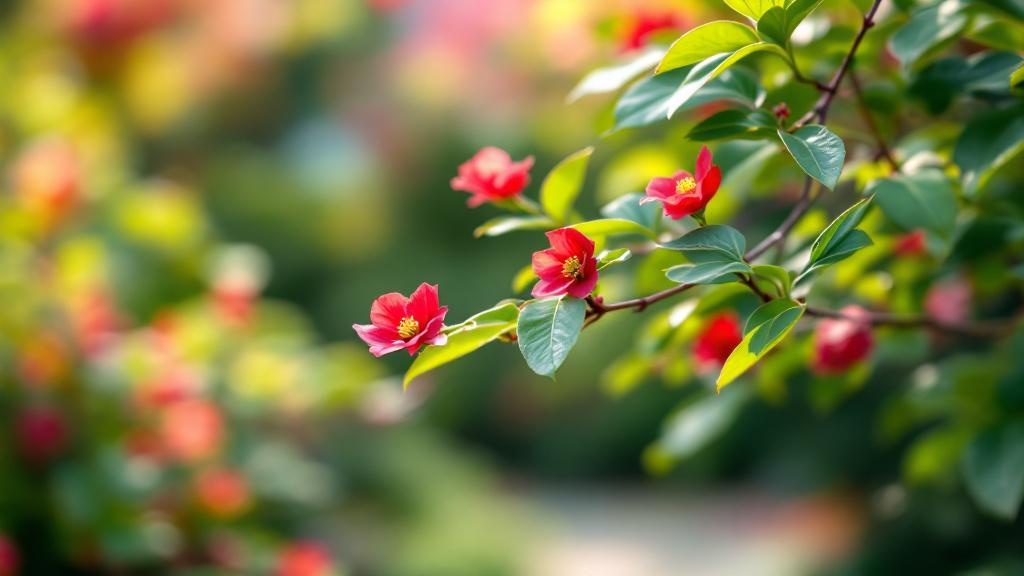
Scarlet Sage delivers unmatched visual impact with its fiery red flower spikes that bloom reliably all summer long. Native to Brazil, this tender perennial is grown as an annual in temperate climates, making it a garden center staple from late April onwards. The most common question gardeners ask is how to keep those vivid blooms coming until autumn. With the right watering schedule and deadheading routine, Scarlet Sage rewards you with non-stop color from early June until October frosts arrive.

Watering Your Scarlet Sage Correctly
Water Scarlet Sage every 5-7 days during summer, allowing the top 3cm of soil to dry between waterings. In hot spells above 28°C, check soil moisture every 2-3 days as containers dry faster than beds. Water at the base in the morning to keep foliage dry and prevent fungal issues. Reduce watering in September as temperatures cool and growth slows.
Light Requirements for Optimal Blooming
Scarlet Sage performs best in full sun with at least 6 hours of direct light daily. In particularly hot summers, afternoon shade helps prevent flower fade and heat stress. Plants grown in too much shade become leggy with fewer blooms. East-facing beds with morning sun and some afternoon protection produce the most vibrant flower colors.
Soil and Repotting Essentials
Plant Scarlet Sage in rich, well-draining soil amended with compost or well-rotted manure. A pH between 6.0 and 7.0 is ideal. For containers, use quality multipurpose compost mixed with perlite for drainage. Repot container-grown plants into larger pots mid-season if roots emerge from drainage holes, as root-bound plants stop flowering.
Temperature and Humidity Preferences
Scarlet Sage thrives between 18-27°C and tolerates summer heat well but dies at the first hard frost. Plant outdoors only after the last frost date, typically mid-May in USDA zones 5-8. Humidity is rarely an issue in temperate climates, but ensure good air circulation in wet summers. Bring container plants indoors before October night temperatures drop below 5°C if attempting to overwinter.
Feeding for Continuous Blooms
Apply a balanced liquid fertilizer (such as 10-10-10) every 2-3 weeks from June through August. Too much nitrogen encourages leafy growth at the expense of flowers. Switch to a high-potassium tomato feed in July to boost flower production. Stop fertilizing by early September as the plant naturally winds down before frost.
Common Problems and How to Fix Them
Slugs and snails attack young plants in wet springs—use organic slug pellets or copper tape around containers in April and May. Powdery mildew appears as white patches on leaves during humid summers; improve air circulation and avoid overhead watering. Spider mites cause stippled, yellowing leaves in hot, dry conditions—spray foliage with water and use insecticidal soap if infestations persist.
Frequently asked questions
How often should I water Scarlet Sage?
Water Scarlet Sage every 5-7 days when the top few centimeters of soil feel dry. During heatwaves, container plants may need water every 2-3 days. Always water at soil level in the morning to prevent fungal diseases.
Why are my Scarlet Sage leaves turning yellow?
Yellow leaves typically indicate overwatering or poor drainage causing root stress. Check that your soil drains well and reduce watering frequency. Spider mites can also cause yellowing with fine webbing on leaf undersides, especially in hot, dry weather.
When does Scarlet Sage bloom?
Scarlet Sage blooms from early June until the first autumn frost, typically late October in temperate climates. Deadheading spent flower spikes every 1-2 weeks encourages continuous blooming throughout the season.
Is Scarlet Sage toxic to cats?
No, Scarlet Sage is considered non-toxic to cats and dogs. It is safe to grow around pets, though ingesting large amounts of any plant material may cause mild digestive upset in sensitive animals.
Can Scarlet Sage survive winter outdoors?
No, Scarlet Sage cannot survive frost and is grown as an annual in temperate zones 5-8. You can take cuttings in late August or bring potted plants indoors before October to overwinter on a bright windowsill at 10-15°C.