European Rowan
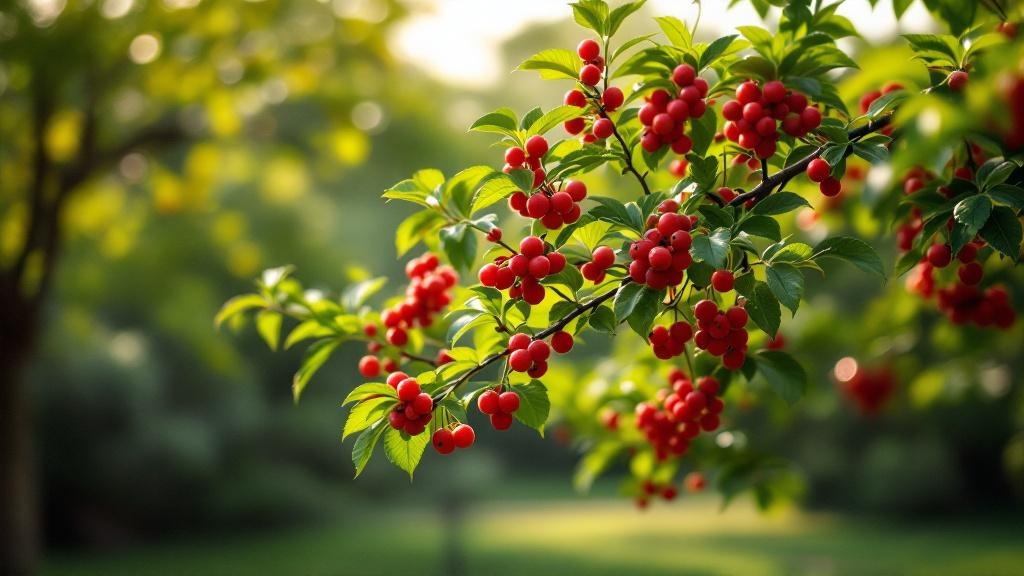
European Rowan, also called mountain ash, is one of the most beloved native trees across temperate Europe and Northern regions. Gardeners most often ask how to keep their rowan healthy and producing those iconic red berry clusters that birds adore. This elegant tree offers year-round interest with creamy white flower clusters in late May, feathery foliage through summer, and brilliant orange-red berries from August onwards that persist into winter, making it a cornerstone of wildlife-friendly gardens.
Watering Your European Rowan
Young rowans need consistent moisture during their first two growing seasons. Water deeply once weekly from April through September, providing roughly 20-30 liters per session. Once established after 2-3 years, European Rowans are remarkably drought-tolerant and typically only need supplemental watering during extended dry spells exceeding three weeks in summer.
Light Requirements for Mountain Ash
European Rowan thrives in full sun to partial shade, though full sun produces the best berry displays and autumn color. In Northern US and Central European gardens, an open position with at least 6 hours of direct sunlight ensures optimal flowering in late May. Trees tolerate light woodland edge conditions but may produce fewer berries in heavy shade.
Soil and Planting
Plant container-grown rowans from October through March while dormant, with November being ideal in temperate zones. They prefer moist, well-draining soil with a slightly acidic to neutral pH of 5.5-7.0. Dig a hole twice the root ball width, backfill with original soil mixed with compost, and mulch with bark chips keeping material 10cm away from the trunk to prevent rot.
Temperature and Climate Tolerance
European Rowan is exceptionally cold-hardy, tolerating temperatures down to minus 40 degrees Celsius, making it perfect for exposed gardens in USDA zones 3-7. The tree actually requires winter chill for proper berry development. In warmer zone 8 areas, plant in positions with afternoon shade to prevent heat stress during July and August heatwaves.
Fertilizing Mountain Ash Trees
Established rowans rarely need fertilizing in average garden soil. For young trees or those in poor soil, apply a balanced slow-release granular fertilizer in early April as growth resumes. Avoid high-nitrogen feeds which promote leafy growth at the expense of flowers and berries. A 5cm layer of well-rotted compost applied each autumn provides gentle nutrition.
Common Problems and Pests
Fireblight is the most serious disease affecting rowans in temperate regions, causing blackened shoots that look scorched. Prune affected branches 30cm below visible damage in dry weather and sterilize tools between cuts. Rowan aphids appear in May and June but rarely cause lasting damage. Sawfly larvae can defoliate branches in late summer — pick off caterpillars by hand or spray with neem oil solution.
Frequently asked questions
How fast does European Rowan grow?
European Rowan grows moderately fast at 30-45cm per year when young, reaching 8-12 meters at maturity over 15-20 years. Growth rate depends on soil quality and moisture availability. Most garden specimens reach a manageable 6-8 meters, making them suitable for medium-sized gardens.
Why does my rowan tree have no berries?
A rowan without berries is usually experiencing poor pollination, late frost damage to flowers, or insufficient sunlight. Late frosts in May can destroy the flower clusters before pollination occurs. Ensure your tree receives at least 6 hours of sun and consider planting a second rowan nearby to improve cross-pollination success.
Are rowan berries poisonous to dogs and cats?
Raw rowan berries are mildly toxic to pets due to parasorbic acid content. Eating small quantities typically causes mild stomach upset, vomiting, or diarrhea rather than serious poisoning. The bitter taste usually deters pets from consuming large amounts, but contact your vet if your pet eats a significant quantity.
When should I prune a European Rowan tree?
Prune European Rowan between November and February while fully dormant to minimize disease risk and sap bleeding. Remove dead, crossing, or damaged branches and maintain a balanced crown shape. Avoid heavy pruning as rowans have a naturally graceful form — light corrective pruning every 2-3 years is sufficient for most garden trees.
Can European Rowan grow in clay soil?
European Rowan can tolerate clay soil but prefers well-draining conditions. In heavy clay, improve the planting area by incorporating generous amounts of organic matter and sharp grit. Plant slightly high with the root flare above soil level and create a wide mulched area to prevent waterlogging around the roots during wet winters.
🩺 Common diseases and pests
These problems commonly affect this plant. Click any to see full symptom descriptions, organic and chemical treatment, and prevention.