Mexican Feather Grass
Mexican Feather Grass has become a favorite among gardeners seeking movement and texture in their landscapes. Its delicate, silvery-green blades create a soft, flowing effect that catches every breeze, making it perfect for prairie-style plantings and modern gardens alike. The most common question gardeners ask is whether this grass survives cold winters in temperate regions, and the good news is that with proper drainage and placement, it can thrive in USDA zones 6 through 8, though zone 5 gardeners may need to provide winter protection.
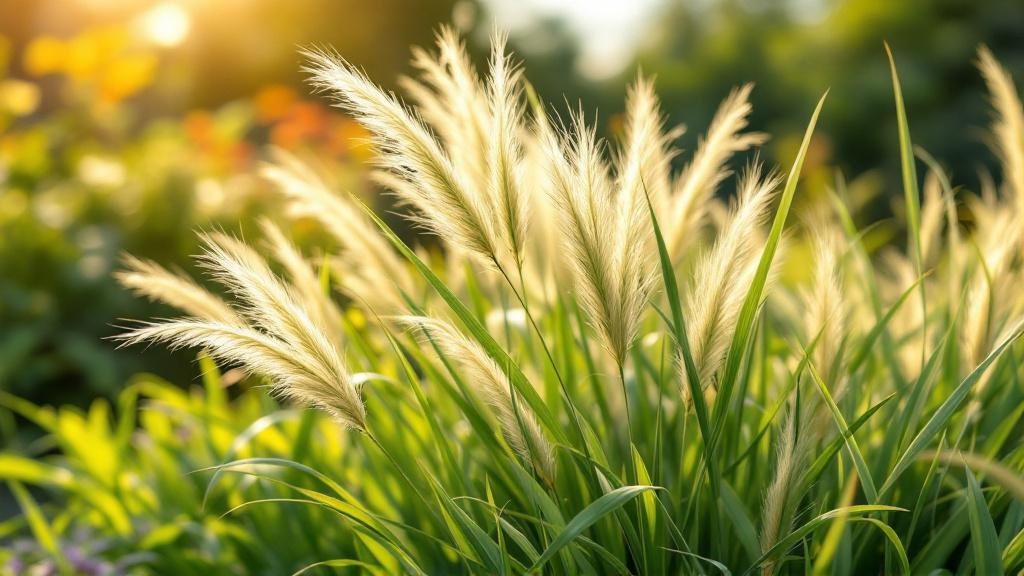
Watering Mexican Feather Grass: Less Is More
Water newly planted Mexican Feather Grass weekly for the first growing season to establish strong roots. Once established, this drought-tolerant grass needs watering only every 10 to 14 days during dry spells from May through September. In temperate climates with regular rainfall, supplemental watering is rarely needed. Overwatering is the most common killer of this grass, so always let the soil dry out completely between waterings.
Light Requirements for Optimal Feathery Growth
Mexican Feather Grass requires full sun to develop its characteristic fine texture and graceful movement. Aim for at least 6 hours of direct sunlight daily, though 8 or more hours produces the best results. In partial shade, the grass becomes floppy and sparse, losing its attractive form. Plant it in south or west-facing borders where it will receive maximum light exposure throughout the growing season.
Soil and Repotting for Healthy Root Development
This grass demands excellent drainage above all else and thrives in poor, sandy, or gravelly soils that would stress other plants. Avoid rich, moisture-retentive soils or heavy clay, which cause root rot. When planting, work in horticultural grit or sharp sand if your soil is heavy. For container growing, use a mix of standard potting compost with 50 percent perlite or grit, and repot every 2 to 3 years in early April before new growth begins.
Temperature and Humidity: Overwintering in Temperate Climates
Mexican Feather Grass is hardy to around -15°C in well-drained soil, making it suitable for most temperate gardens. The key to winter survival is avoiding waterlogged roots, so ensure excellent drainage and consider planting on a slight slope or raised bed. In zone 5 or exposed locations, apply a 10 cm mulch of dry straw or bracken around the crown in late November. Remove this protection gradually in late March as new growth emerges.
Fertilizing: Keep It Lean for Best Results
Mexican Feather Grass prefers nutrient-poor conditions and rarely needs fertilizing. Excessive feeding produces lush, floppy growth that lacks the fine texture gardeners prize. If growth seems weak, apply a light dose of balanced slow-release fertilizer in late April, using half the recommended rate. In most garden situations, no feeding is necessary, and the grass will thrive on neglect.
Common Problems: Pests, Diseases, and Troubleshooting
Root rot from waterlogged soil is the primary killer, showing as brown, collapsing clumps, so improve drainage immediately if you notice this issue. Rust fungus occasionally appears as orange pustules on leaves during humid summers, treat by removing affected foliage and improving air circulation. Self-seeding can be aggressive in favorable conditions, so cut back flower heads before seeds mature in September if you want to control spread. Aphids may colonize new growth in late spring but rarely cause serious damage.
Frequently asked questions
How often should I water Mexican Feather Grass?
Water established Mexican Feather Grass every 10 to 14 days during dry periods, or not at all if rainfall is adequate. This drought-tolerant grass stores moisture in its roots and suffers more from overwatering than underwatering. Always let soil dry completely between waterings.
Why is my Mexican Feather Grass turning brown?
Brown foliage usually indicates root rot from overwatering or poorly drained soil. Check that water drains freely and reduce watering immediately. Brown tips in winter are normal dormancy behavior and will be replaced by fresh green growth in spring.
When should I cut back Mexican Feather Grass?
Cut back Mexican Feather Grass in late February to early March, just before new growth emerges. Remove old foliage to about 10 to 15 cm above ground level using sharp shears. Avoid cutting in autumn, as the old growth protects the crown from winter cold and wet.
Is Mexican Feather Grass invasive?
Mexican Feather Grass self-seeds freely and is considered invasive in some warm regions, though less problematic in temperate climates with cold winters. Control spread by cutting off seed heads in September before they mature. In borders, seedlings are easily removed by hand in spring.
Is Mexican Feather Grass toxic to cats and dogs?
No, Mexican Feather Grass is non-toxic to cats and dogs. The fine leaves may cause mild digestive upset if eaten in large quantities, but this is uncommon as pets rarely find the tough foliage appetizing. It is a safe choice for gardens where pets roam freely.