Burning Bush
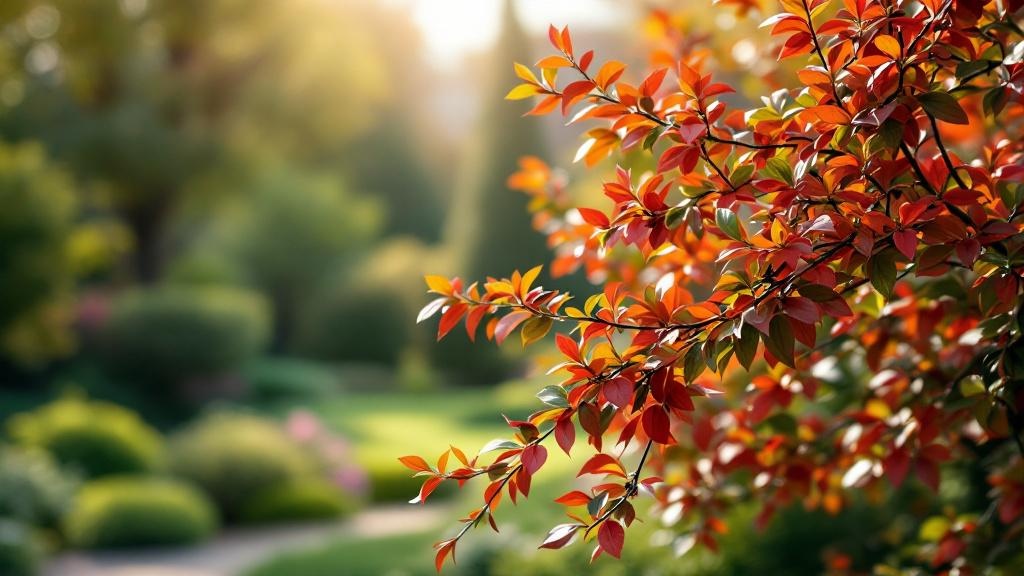
Burning Bush earns its dramatic name from the intense scarlet-red foliage it displays each autumn, making it one of the most striking shrubs for temperate gardens. The most common question gardeners ask is how to maximize that famous fall color while keeping the plant healthy and well-shaped. Native to Asia, this adaptable shrub has become a garden staple across USDA zones 5-8, though responsible planting is important as it can spread aggressively in some regions.
Watering Your Burning Bush
Water newly planted Burning Bush deeply once per week during the first growing season to establish strong roots. Once established after 1-2 years, this shrub is remarkably drought-tolerant and typically needs supplemental watering only during extended dry spells in July and August. Water at the base rather than overhead to prevent fungal issues. In autumn, reduce watering as the plant prepares for dormancy.
Light Requirements for Vibrant Fall Color
Full sun produces the most intense autumn coloration, with 6 or more hours of direct sunlight being ideal. Burning Bush tolerates partial shade but expect more muted fall colors and slightly leggier growth in shadier spots. In particularly hot microclimates, afternoon shade can prevent leaf scorch during heat waves. An east or south-facing position works best in most temperate gardens.
Soil and Repotting Considerations
Burning Bush adapts to a wide range of soil types, from clay to sandy loam, provided drainage is adequate. Slightly acidic to neutral pH between 6.0 and 7.5 is preferred. When planting, dig a hole twice the width of the root ball and amend heavy clay with compost. Container-grown specimens need repotting every 2-3 years in spring, using a standard shrub compost mix.
Temperature and Humidity Tolerance
This exceptionally cold-hardy shrub withstands winter temperatures down to minus 25C without protection, making it reliable throughout Central Europe, the UK, and the Northern US. It handles summer heat well but appreciates mulching in zones 7-8 to keep roots cool. Average humidity suits Burning Bush fine, and it requires no special humidity considerations in typical temperate conditions.
Fertilizing Schedule
Apply a balanced slow-release granular fertilizer such as a 10-10-10 formula in early April as new growth begins. A second light application in late May supports healthy foliage development. Avoid fertilizing after July, as late-season growth will not harden off before frost. Established shrubs in decent soil often thrive with just an annual spring feeding and a layer of compost mulch.
Common Problems and Solutions
Euonymus scale is the most serious pest, appearing as white or brown bumps on stems and causing yellowing leaves. Treat infestations with horticultural oil spray in late April when crawlers emerge. Powdery mildew can affect plants in humid, shaded locations and shows as white dusty patches. Crown gall occasionally occurs, causing swollen growths at the soil line. Remove affected tissue and improve drainage if this appears.
Frequently asked questions
How often should I water a Burning Bush?
Water established Burning Bush only during prolonged dry spells, roughly every 10-14 days without rain in summer. Newly planted shrubs need weekly deep watering during their first year. Once the root system is established, these shrubs are quite drought-tolerant.
Why are my Burning Bush leaves turning yellow in summer?
Yellow leaves in summer usually indicate euonymus scale infestation or overwatering. Check stems for tiny white or brown bumps, which signal scale insects. If the soil stays constantly wet, reduce watering frequency and ensure proper drainage around the root zone.
When should I prune Burning Bush?
Prune Burning Bush in late February to early March while still dormant, before new growth emerges. This timing allows you to shape the plant without sacrificing spring growth or fall color. Light corrective pruning can also be done immediately after flowering in May.
Is Burning Bush toxic to cats and dogs?
Yes, Burning Bush is toxic to cats and dogs if ingested. The leaves, bark, and berries contain alkaloids that cause vomiting, diarrhea, and abdominal pain. Keep pets away from this shrub and seek veterinary advice if ingestion is suspected.
How do I get better red fall color on my Burning Bush?
Full sun exposure is the most important factor for vibrant red autumn color. Shrubs in shade produce muted, pinkish tones instead of brilliant scarlet. Avoid excessive nitrogen fertilizer in summer, and ensure the plant experiences the natural temperature drop in September and October.