Common Sorrel
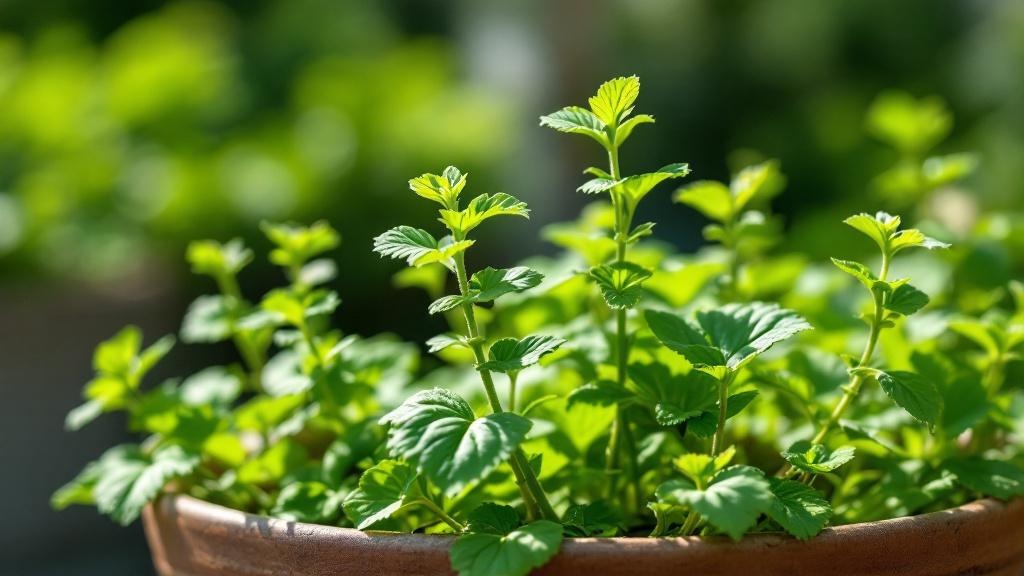
Common Sorrel is one of the first herbs to emerge in spring, offering fresh, tangy leaves when little else is growing. This hardy perennial has been cultivated in European gardens for centuries, valued for its distinctive lemon-sour flavor in salads, soups, and sauces. The most common question gardeners ask is how to keep sorrel producing tender leaves without it bolting to seed, especially during warm summer months.
Watering Your Common Sorrel
Keep the soil consistently moist but not waterlogged, watering every 3-4 days during dry spells in summer. In spring and autumn, rainfall in temperate regions typically provides adequate moisture, but check weekly. Mulch around plants in June to retain soil moisture and reduce watering frequency. Drought stress causes leaves to become tough and overly bitter.
Light Requirements for Sorrel
Common Sorrel thrives in full sun to partial shade, making it versatile for most garden spots. In Northern US and UK gardens, full sun produces the best growth and flavor. During hot July and August periods, afternoon shade helps prevent premature bolting. Plants grown in too much shade become leggy with smaller, less flavorful leaves.
Soil and Repotting Sorrel
Plant sorrel in rich, well-draining soil with a slightly acidic to neutral pH of 5.5-7.0. Amend heavy clay soils with compost in early April before planting. For container growing, use a deep pot of at least 30cm and refresh the top layer of compost each March. Divide established clumps every 3-4 years in early spring or September to maintain vigor.
Temperature and Humidity for Sorrel
Common Sorrel is extremely cold-hardy, surviving winters down to minus 30C without protection in USDA zones 5-8. New growth emerges in late March when soil temperatures reach 10C. Plants go dormant after hard frosts in November but return reliably each spring. Average humidity in temperate climates suits sorrel perfectly with no special requirements needed.
Fertilizing Common Sorrel
Apply a balanced organic fertilizer or well-rotted compost around plants in early April as growth begins. A light side-dressing of nitrogen-rich fertilizer in early June encourages leafy growth. Avoid over-fertilizing, which can reduce the characteristic tangy flavor. Container-grown sorrel benefits from diluted liquid feed every 3-4 weeks during the growing season.
Common Problems with Sorrel
Sorrel leaf beetle and its larvae can skeletonize leaves from May onwards; hand-pick or use neem oil spray. Slugs and snails are problematic in damp spring weather, particularly in UK gardens; use organic slug pellets or beer traps. Rust fungus appears as orange-brown pustules on leaves during humid summers; remove affected leaves promptly and improve air circulation by thinning plants.
Frequently asked questions
How often should I water Common Sorrel?
Water Common Sorrel every 3-4 days during dry summer periods to keep soil consistently moist. In spring and autumn, natural rainfall usually suffices in temperate climates. Consistent moisture produces the most tender, flavorful leaves.
Why are my sorrel leaves turning yellow?
Yellow sorrel leaves typically indicate overwatering or poor drainage causing root stress. Check that soil drains well and reduce watering frequency. Older outer leaves naturally yellow and can be removed to encourage fresh growth.
When can I start harvesting Common Sorrel?
You can begin harvesting sorrel leaves in late March to early April when plants are 10-15cm tall. Pick outer leaves first, allowing the center to continue producing. Regular harvesting every 7-10 days encourages continuous tender leaf production throughout the growing season.
Is Common Sorrel toxic to cats and dogs?
Common Sorrel is mildly toxic to pets due to its high oxalic acid content. Small nibbles are unlikely to cause harm, but large quantities can lead to kidney problems. Keep pets away from sorrel patches and seek veterinary advice if significant consumption occurs.
How do I stop sorrel from bolting?
Remove flower stalks immediately when they appear, typically from June onwards, to prevent bolting. Regular harvesting and consistent watering reduce bolting triggers. Providing afternoon shade during hot spells and choosing bolt-resistant varieties like Profusion also helps extend the harvest season.