St. Johns Wort
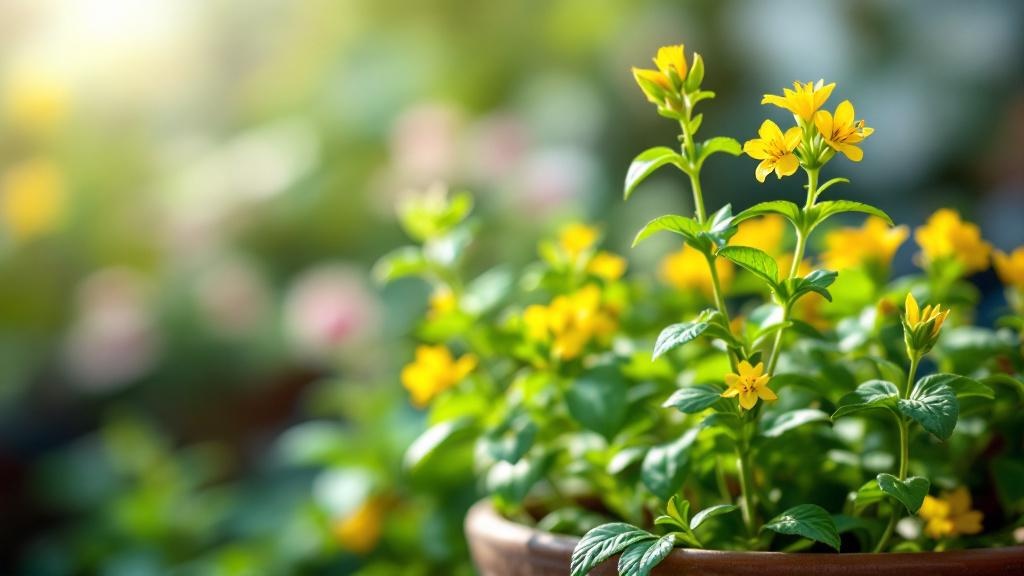
St. Johns Wort has been treasured for centuries as a medicinal herb, producing cheerful yellow blooms from June through August that brighten any garden border. The most common question gardeners ask is whether this resilient herb can survive their local winters and spread too aggressively. Good news: in USDA zones 5-8, St. Johns Wort is reliably perennial and manageable with basic containment strategies. Its drought tolerance and pollinator appeal make it an excellent choice for naturalistic gardens.
Watering St. Johns Wort: Less Is More
Water newly planted St. Johns Wort weekly during the first growing season to establish strong roots. Once established, this herb is remarkably drought-tolerant and typically needs watering only during extended dry spells lasting more than 2-3 weeks. In temperate climates, natural rainfall is usually sufficient from October through April. Overwatering causes root rot, so always let the soil dry between waterings.
Light Requirements for Healthy Growth
St. Johns Wort performs best in full sun, receiving 6-8 hours of direct sunlight daily, which maximizes flowering and the concentration of beneficial compounds in leaves. The plant tolerates partial shade but produces fewer flowers and may become leggy. In regions with hot summers above 30C, afternoon shade helps prevent leaf scorch. Position plants on south or west-facing slopes for optimal light exposure.
Soil and Repotting Needs
This adaptable herb thrives in average to poor, well-draining soil and actually produces more potent growth in lean conditions. Sandy or gravelly soils suit it perfectly, while heavy clay should be amended with coarse sand or grit. For container growing, use a standard potting mix with added perlite for drainage. Repot container specimens every 2-3 years in early April before active growth begins.
Temperature and Humidity Preferences
St. Johns Wort is cold-hardy through zone 5, surviving winter temperatures down to minus 20C without protection. The plant dies back to the ground after the first hard frost in late October or November, then re-emerges in mid-April. It tolerates heat well up to 35C and handles both humid and dry air without issue. No special overwintering is needed in temperate climates.
Fertilizing for Optimal Blooms
This herb requires minimal feeding and actually performs better in nutrient-poor conditions. Apply a light dose of balanced slow-release fertilizer in early April as new growth emerges, or simply top-dress with a thin layer of compost. Avoid high-nitrogen fertilizers, which promote leafy growth at the expense of flowers. Container plants benefit from monthly half-strength liquid feed from May through July.
Common Problems and Solutions
Rust fungus appears as orange pustules on leaves during humid summers and spreads quickly in crowded plantings. Improve air circulation by thinning stems and avoid overhead watering. Aphids cluster on new growth in May and June but are easily controlled with a strong water spray or insecticidal soap. St. Johns Wort beetle, a biological control agent intentionally released in some areas, can defoliate plants but rarely kills established specimens.
Frequently asked questions
How often should I water St. Johns Wort?
Water established St. Johns Wort only during droughts lasting more than 2-3 weeks. This Mediterranean-origin herb is highly drought-tolerant once its root system develops. New plantings need weekly watering during their first summer to establish properly.
Why are my St. Johns Wort leaves turning yellow?
Yellow leaves typically indicate overwatering or poor drainage causing root stress. Check that soil drains freely and reduce watering frequency. Yellowing lower leaves in autumn is natural dieback and not cause for concern.
When does St. Johns Wort bloom?
St. Johns Wort blooms from mid-June through August in temperate climates, with peak flowering around the summer solstice. The bright yellow star-shaped flowers open in clusters and are traditionally harvested on or near June 24th, St. Johns Day.
Is St. Johns Wort toxic to cats and dogs?
Yes, St. Johns Wort is toxic to both cats and dogs if ingested in significant quantities. It causes photosensitization, making skin extremely sensitive to sunlight, along with potential digestive upset. Keep pets away from this plant and seek veterinary care if ingestion occurs.
How do I stop St. Johns Wort from spreading?
Prevent spreading by deadheading flowers before seeds mature in late August and by installing root barriers 30cm deep around plantings. The plant spreads by both seed and underground rhizomes. Growing in containers or raised beds with solid bottoms provides complete control.