Money Tree
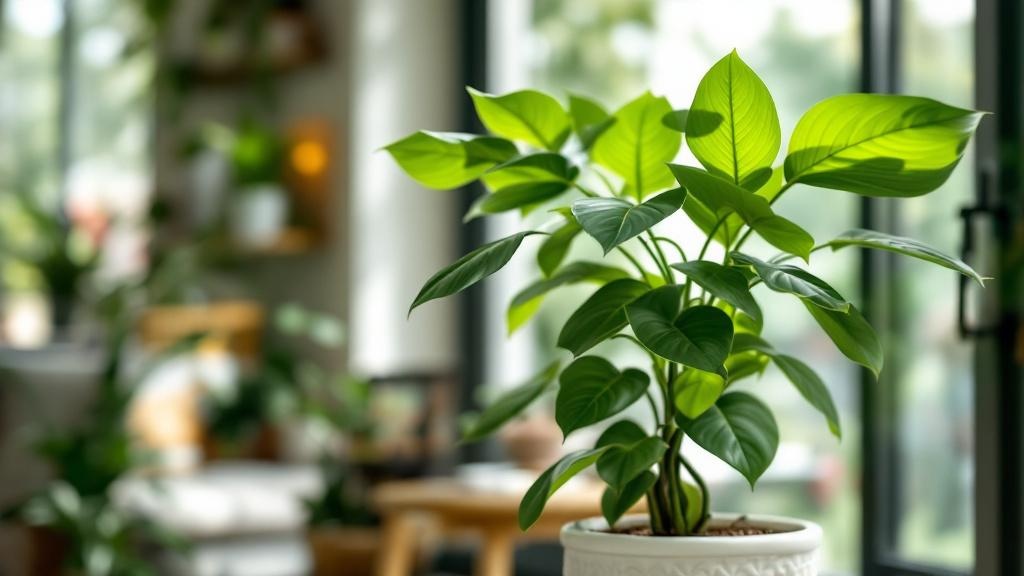
The Money Tree has become one of the most recognizable houseplants, famous for its distinctive braided trunk and glossy palmate leaves. Native to Central and South American wetlands, it adapts remarkably well to indoor conditions in temperate climates. The most common question growers ask is why their Money Tree drops leaves or develops yellow foliage, usually stemming from overwatering or insufficient light during darker winter months typical in zones 5-8.
Watering Your Money Tree Correctly
Water your Money Tree when the top 5 cm of soil feels dry, typically every 7-10 days in summer and every 14-21 days from November through February when growth slows. Always empty the saucer after 30 minutes to prevent root rot. In centrally heated homes common across the UK and Northern Europe, the soil dries faster, so check moisture levels rather than following a rigid schedule.
Light Requirements for Healthy Growth
Money Trees thrive in bright indirect light but tolerate medium light conditions found in many temperate-climate homes. Place yours near an east or west-facing window for optimal growth. During the short daylight hours from October to March, consider moving it closer to a south-facing window. Avoid direct summer afternoon sun, which can scorch the leaves.
Soil and Repotting Guidelines
Use a well-draining potting mix combining standard houseplant compost with 20-30% perlite or coarse sand. Repot every 2-3 years in spring, typically late March to April, moving up only one pot size. Money Trees prefer being slightly rootbound, so avoid overpotting. Ensure your container has drainage holes to prevent waterlogging.
Temperature and Humidity Needs
Maintain temperatures between 15-26°C for best results. Money Trees suffer below 10°C, so keep them away from draughty windows and exterior doors during winter. Average household humidity of 40-50% is adequate, but in winter when central heating reduces humidity, mist the leaves weekly or place the pot on a pebble tray with water.
Fertilizing for Lush Foliage
Feed your Money Tree monthly from April through September with a balanced liquid houseplant fertilizer diluted to half strength. Stop feeding entirely from October to March when the plant enters its rest period. Over-fertilizing causes salt buildup and brown leaf tips, so flush the soil with plain water every few months during the growing season.
Common Problems and Solutions
Yellow leaves typically indicate overwatering or poor drainage, so reduce watering frequency and check that roots are not sitting in water. Spider mites and fungus gnats are the most common pests in UK and Central European homes, especially in dry heated rooms. Treat spider mites with insecticidal soap and control fungus gnats by allowing soil to dry more between waterings. Brown crispy leaf edges usually signal low humidity or underwatering.
Frequently asked questions
How often should I water my Money Tree?
Water your Money Tree every 7-14 days when the top 5 cm of soil is dry. In winter, extend this to every 2-3 weeks as growth slows and evaporation decreases in cooler temperatures. Always check soil moisture rather than watering on a fixed schedule.
Why are my Money Tree leaves turning yellow?
Yellow leaves most commonly indicate overwatering or root rot. Check that your pot has drainage holes and that you are allowing the soil to partially dry between waterings. Less frequently, yellowing can result from too little light, especially during darker winter months.
Is a Money Tree toxic to cats?
No, Money Trees are non-toxic to cats and dogs according to the ASPCA. This makes Pachira aquatica an excellent choice for pet-friendly households. However, ingesting large amounts of any plant material may still cause mild stomach upset in pets.
How much light does a Money Tree need?
Money Trees need bright indirect light for best growth but adapt well to medium light conditions. An east or west-facing window works perfectly in most temperate-climate homes. Move the plant closer to light sources during the low-light months from November to February.
When should I repot my Money Tree?
Repot your Money Tree every 2-3 years in spring, ideally in late March or April when active growth resumes. Only increase pot size by 2-5 cm in diameter, as these plants prefer being slightly rootbound and overpotting increases the risk of root rot.