Cyclamen
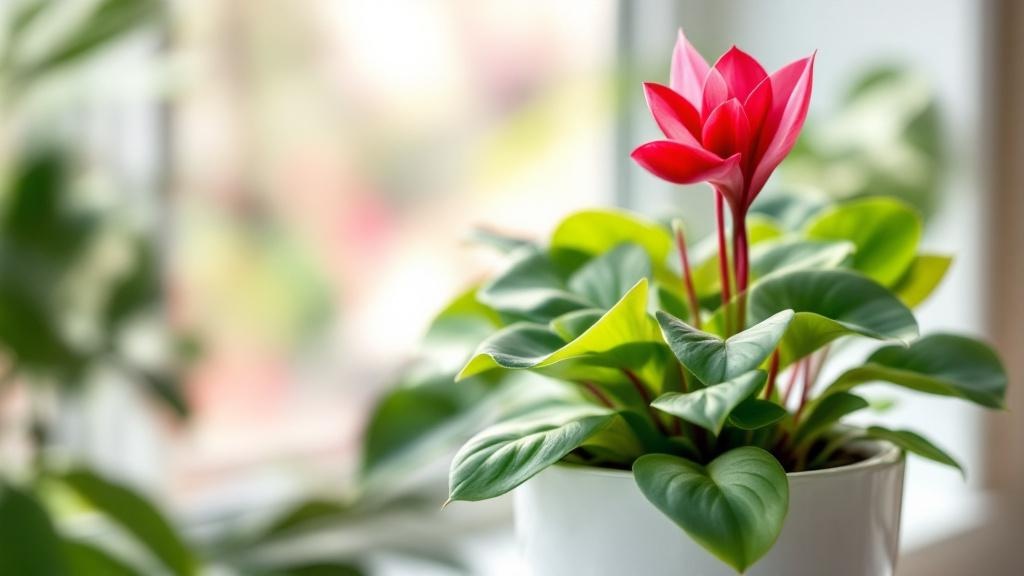
Cyclamen persicum brings elegant, butterfly-like flowers to homes during the dark winter months when few other houseplants bloom. These plants are popular gift plants but often decline quickly indoors—the main reason is improper watering and overheating. Understanding cyclamen's preference for cooler conditions and moisture balance is key to keeping it blooming for weeks.
Watering Cyclamen Correctly
Cyclamen is notoriously fussy about water—the key is moisture consistency without wetness. Water when the top of the soil feels dry, roughly every 5-7 days during flowering season, always from below by setting the pot in a saucer of water for 10-15 minutes rather than pouring overhead. Never let the corm (the rounded tuber at the base) sit in standing water, and remove water from the saucer after 15 minutes. Reduce watering after flowering ends in spring.
Light Requirements for Blooming
Cyclamen needs bright, indirect light to produce abundant flowers. Place it near an east or north-facing window where it receives gentle morning light without harsh afternoon sun. Avoid south-facing windows or direct sunlight, which can scorch petals and cause the plant to overheat. Insufficient light will reduce flowering; if blooms fade quickly, move the plant slightly closer to the light source.
Soil and Repotting
Use a peat-based or peat-free ericaceous potting mix with added perlite to ensure drainage—cyclamen abhors heavy, compacted soil. Repot only if the plant has outgrown its container, ideally in late summer before the growing season begins. Ensure the corm sits slightly above the soil surface; burying it encourages rot. A pot 12-15 cm in diameter is usually sufficient for a mature flowering plant.
Temperature and Humidity Management
Cyclamen thrives in cool conditions between 13-18°C and will decline if exposed to indoor heating above 20°C. In temperate homes, place it in a cool room away from radiators, woodburners, and heat vents. Morning temperatures just above freezing are tolerated. Moderate humidity helps prevent spider mites; mist the leaves lightly (not the flowers) 2-3 times weekly or use a pebble tray with water.
Feeding Your Cyclamen
Feed cyclamen with a diluted liquid fertilizer every 10-14 days from the first flower bud until flowering ends, using a balanced or slightly higher-phosphorus formula to encourage blooms. Reduce feeding once flowering slows in spring. Do not overfertilize, which promotes leaf growth at the expense of flowers. Stop fertilizing completely during the dormant summer period.
Common Problems and Solutions
Yellow leaves and bud drop are usually caused by overwatering, poor drainage, or heat stress above 20°C—check soil moisture and move the plant to a cooler spot immediately. Spider mites thrive in warm, dry air and cause mottled, stippled leaves; increase humidity and spray leaves with water or insecticidal soap if infestation is severe. Botrytis (gray mold) develops in cool, wet conditions; remove affected leaves and improve air circulation.
Frequently asked questions
How often should I water cyclamen?
Water when the top soil feels dry, approximately every 5-7 days during flowering, always from below by setting the pot in a saucer of water. Never allow the corm to sit in standing water, and empty the saucer after 15 minutes.
Why are my cyclamen leaves turning yellow?
Yellow leaves most often result from overwatering, poor drainage, or room temperatures above 20°C. Check that soil drains well, water only when top soil is dry, and move the plant away from heat sources like radiators.
Can I keep cyclamen blooming longer?
Yes—place it in the coolest room available (ideally 13-18°C), ensure bright indirect light, remove faded flowers promptly, and maintain consistent soil moisture without waterlogging. Cool temperatures are the single most important factor for prolonged flowering.
Is cyclamen toxic to pets?
Yes, all parts of cyclamen are toxic to cats and dogs if ingested, causing drooling, vomiting, and abdominal pain. Keep the plant on a high shelf or in a room where pets cannot access it.
What should I do with cyclamen after it stops flowering?
Gradually reduce watering as flowers fade in spring, and by late May move the plant to a cool, shaded place to rest. The corm will go dormant in summer; keep it dry. In late August, repot and place in a cool light room to trigger new growth for autumn.
🩺 Common diseases and pests
These problems commonly affect this plant. Click any to see full symptom descriptions, organic and chemical treatment, and prevention.