Sugar Maple
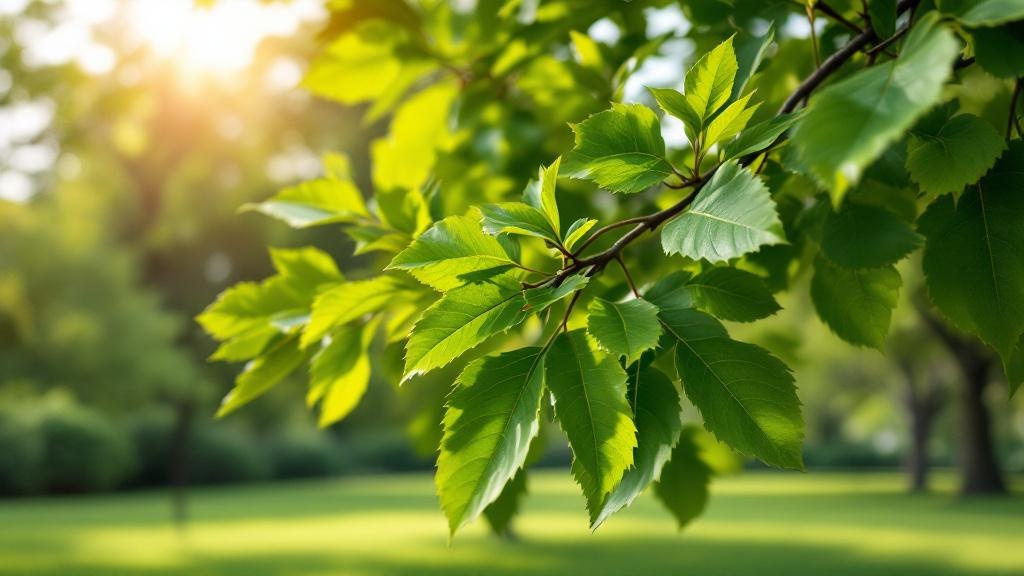
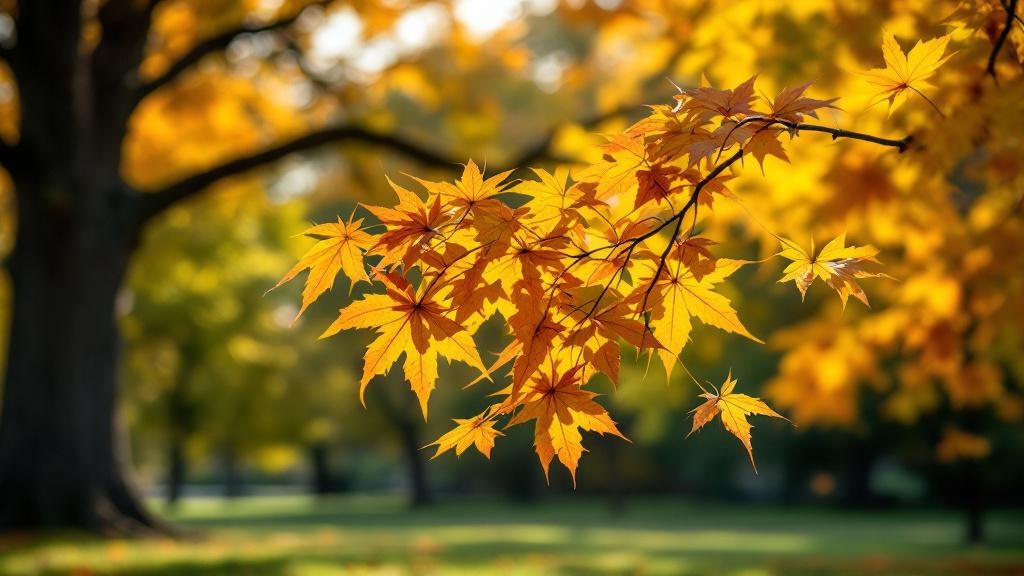
The Sugar Maple is one of North America's most beloved trees, famous for its spectacular orange and red autumn display and as the source of maple syrup. Home gardeners in temperate zones 5-8 frequently ask how to achieve the best fall color and whether their yard can support this majestic tree. While Sugar Maples require patience and space, they reward gardeners with decades of beauty and shade, increasing property value significantly.
Watering Your Sugar Maple Correctly
Young Sugar Maples need deep watering every 7-10 days during their first three growing seasons, especially from May through September. Established trees rarely need supplemental water except during prolonged drought. Water slowly at the drip line rather than at the trunk base, allowing moisture to reach the full root zone. In autumn, give one final deep watering in late October before the ground freezes.
Light Requirements for Optimal Growth
Sugar Maples thrive in full sun to partial shade, needing at least 4-6 hours of direct sunlight daily for the best fall color. In warmer zone 7-8 areas, afternoon shade helps prevent leaf scorch during hot summers. Avoid planting near buildings or large structures that cast heavy shade, as insufficient light leads to sparse canopy development and muted autumn colors.
Soil and Planting Guidelines
Plant Sugar Maples in rich, loamy soil with a slightly acidic pH of 5.5-7.3. They struggle in compacted, alkaline, or poorly drained soils common in urban settings. The best planting time is late March to mid-April or October in temperate zones. Dig a hole twice the root ball width but no deeper, and mulch with 5-10 cm of organic material, keeping it away from the trunk.
Temperature and Climate Considerations
Sugar Maples are extremely cold-hardy, tolerating temperatures down to minus 40 degrees Celsius, making them ideal for zones 5-8. However, they suffer in hot, dry summers and urban heat islands. These trees need the cold winter dormancy period to thrive and produce brilliant fall color. Late spring frosts in April or May can damage emerging leaves but rarely cause lasting harm.
Fertilizing for Healthy Growth
Fertilize young Sugar Maples in early April with a balanced slow-release granular fertilizer applied at the drip line. Established trees over 10 years old typically need no fertilization if growing in decent soil. Avoid high-nitrogen fertilizers which promote weak, disease-susceptible growth. A soil test every 3-4 years helps identify any nutrient deficiencies.
Common Problems and Solutions
Tar spot fungus appears as black spots on leaves in late summer, particularly after wet springs in the UK and Central Europe. While unsightly, it rarely harms the tree. Aphids and maple bladder gall mites cause leaf distortions in May and June but require no treatment. Verticillium wilt is the most serious threat, causing branch dieback with no cure. Avoid this by planting in well-drained soil and removing infected branches promptly.
Frequently asked questions
How fast does a Sugar Maple tree grow?
Sugar Maples grow 30-60 cm per year under good conditions, reaching maturity in 30-40 years. Young trees grow faster with adequate water and nutrition. Expect a 3-meter sapling to reach 10 meters in roughly 15 years in temperate climates.
Why are my Sugar Maple leaves turning brown in summer?
Summer leaf browning is usually caused by leaf scorch from hot, dry conditions or road salt damage. Ensure deep watering during July and August droughts. Trees planted near roads may suffer from winter salt spray, showing brown leaf margins by midsummer.
When do Sugar Maple leaves change color?
Sugar Maple leaves typically begin changing color in late September to mid-October in zones 5-8. Peak fall color lasts 2-3 weeks, depending on weather conditions. Cool nights and sunny days in September produce the most vibrant reds and oranges.
Is Sugar Maple toxic to cats and dogs?
Sugar Maple is non-toxic to cats, dogs, and horses according to veterinary databases. The leaves, bark, and seeds pose no poisoning risk to pets. However, large amounts of any plant material may cause mild digestive upset if consumed.
How much space does a Sugar Maple need?
Sugar Maples need at least 10-15 meters of clearance from buildings and other large trees. Their mature spread reaches 12-15 meters with shallow, spreading roots. Avoid planting near foundations, driveways, or underground utilities where roots cause damage.