Sycamore Maple
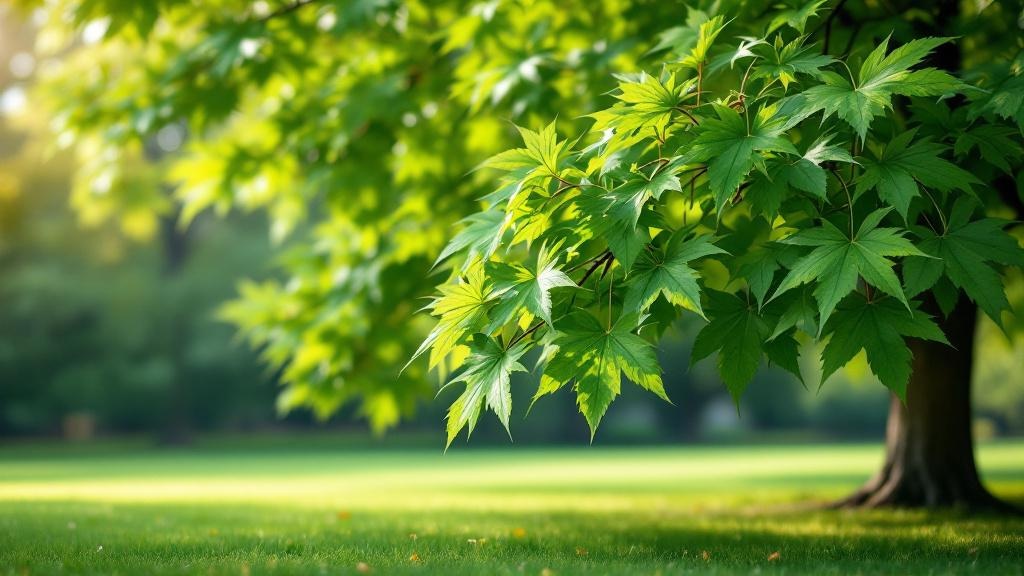
The Sycamore Maple is one of Europe's most adaptable large shade trees, thriving across USDA zones 5-8 with minimal fuss. Home gardeners most often ask how to manage its vigorous growth and prolific self-seeding. Native to Central Europe, this majestic tree can reach 20-35 meters at maturity, making it ideal for spacious properties where its broad canopy provides exceptional summer shade and striking yellow autumn colour.
Watering Your Sycamore Maple Through the Seasons
Newly planted Sycamore Maples need deep watering every 7-10 days during their first two growing seasons to establish strong roots. Water thoroughly in dry spells from April through September, providing approximately 25 litres per session for young trees. Once established after 2-3 years, these trees are remarkably drought-tolerant and typically only need supplemental water during extended dry periods exceeding three weeks.
Light Requirements for Healthy Growth
Sycamore Maples perform best in full sun to partial shade, requiring at least 4-6 hours of direct sunlight daily for optimal growth. Young trees tolerate more shade than most maples, making them suitable for woodland edge planting. In exposed locations, they develop denser, more wind-resistant canopies, while shadier spots produce more open, spreading growth patterns.
Soil Preparation and Planting
Plant Sycamore Maples between November and March when dormant, with late autumn being ideal for root establishment before spring growth. They tolerate a wide pH range from 5.5 to 7.5 and adapt to clay, loam, or sandy soils, though they perform best in deep, moist, well-drained ground. Dig a planting hole twice the width of the root ball and stake young trees for the first two winters to prevent wind rock.
Temperature Tolerance and Site Selection
Extremely cold-hardy to minus 25 degrees Celsius, the Sycamore Maple handles harsh winters throughout temperate regions without protection. They tolerate exposed coastal and urban sites better than most maples, resisting salt spray and pollution. Summer heat up to 30 degrees Celsius poses no problems when soil moisture is adequate, though prolonged heat waves may cause minor leaf scorch on young trees.
Fertilizing for Vigorous Growth
Apply a balanced slow-release fertilizer such as fish blood and bone around the drip line in early April as buds begin swelling. Young trees benefit from annual feeding for the first five years, while established specimens rarely need supplemental nutrition. Avoid high-nitrogen feeds after July, as this promotes soft growth vulnerable to autumn frosts.
Common Problems and Solutions
Sooty bark disease, caused by Cryptostroma corticale, appears after hot dry summers as bark cracking with black spore masses underneath and requires prompt removal of affected branches. Tar spot fungus creates distinctive black blotches on leaves from late summer but causes no serious harm and needs no treatment beyond raking fallen leaves in November. Aphids may colonise young shoots in May and June, attracting honeydew and sooty mould, but natural predators like ladybirds typically control populations within weeks.
Frequently asked questions
How fast does a Sycamore Maple grow per year?
Sycamore Maples grow 30-60 centimetres per year in favourable conditions, making them one of the faster-growing large maples. Young trees in good soil with adequate moisture often achieve the upper range, while growth slows as trees mature. Expect a 3-metre sapling to reach 8-10 metres within a decade.
Is Sycamore Maple toxic to dogs and cats?
Yes, Sycamore Maple seeds and seedlings contain hypoglycin A, which is toxic to animals, particularly horses but also potentially dogs. The helicopter seeds that fall in autumn pose the greatest risk if consumed in quantity. Keep pets away from seed fall areas and promptly rake up seeds in September and October.
When should I prune a Sycamore Maple tree?
Prune Sycamore Maples between November and January while fully dormant to avoid excessive sap bleeding. Late winter pruning before bud break in late February also works but may cause minor sap loss. Avoid pruning from March through September when sap flow is active, as wounds heal poorly and attract pests.
Why are my Sycamore Maple leaves turning black?
Black spots on Sycamore Maple leaves are almost certainly tar spot fungus, a cosmetic issue that appears from July onwards and causes no lasting damage. The fungus Rhytisma acerinum overwinters on fallen leaves, so autumn cleanup reduces next year's infection. No chemical treatment is necessary or recommended for home gardens.
How big does a Sycamore Maple get?
Mature Sycamore Maples typically reach 20-30 metres tall with a crown spread of 15-25 metres, requiring substantial space. In optimal conditions, some specimens exceed 35 metres over a century. This is not a tree for small gardens, so ensure you have at least 15 metres clearance from buildings and boundaries before planting.
🩺 Common diseases and pests
These problems commonly affect this plant. Click any to see full symptom descriptions, organic and chemical treatment, and prevention.