Sweet Chestnut
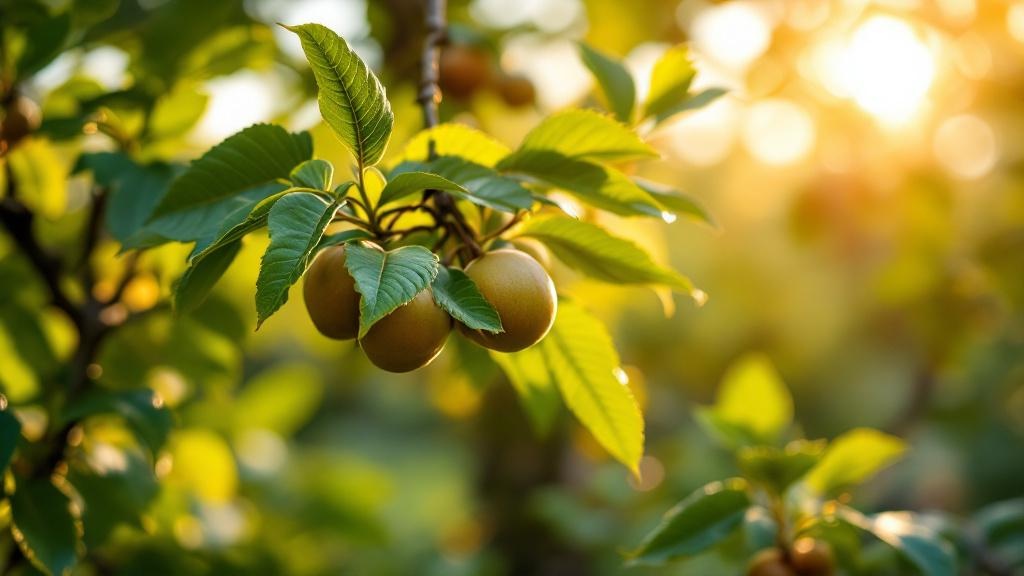
The Sweet Chestnut (Castanea sativa) has graced European landscapes for centuries, offering both ornamental beauty and a prized autumn harvest. Home gardeners most commonly ask: can I grow a chestnut tree in my garden? The answer is yes, provided you have space for this magnificent tree that can reach 20-30 meters at maturity. Whether you dream of roasting your own chestnuts or simply want a stunning specimen tree, understanding its specific needs will set you up for success.
Watering Your Sweet Chestnut Tree
Young Sweet Chestnut trees need consistent moisture to establish strong root systems. Water deeply once weekly during the first 2-3 years, providing 20-30 liters per session during dry spells from May through September. Mature trees are remarkably drought-tolerant but benefit from supplemental watering during extended dry periods in July and August. Always water at the base, avoiding wetting the trunk to prevent fungal issues.
Light Requirements for Healthy Growth
Sweet Chestnuts demand full sun exposure of at least 6 hours daily for optimal nut production. Plant in an open location away from buildings and larger trees that might cast shade. South or southwest-facing positions are ideal in temperate regions. Insufficient light leads to sparse canopy development and significantly reduced or absent nut crops.
Soil Conditions and Planting
Sweet Chestnuts strongly prefer acidic to neutral soil with a pH between 5.0 and 6.5. They absolutely cannot tolerate alkaline or chalky soils, which cause severe chlorosis and eventual death. Plant in deep, well-draining loam enriched with organic matter. The best planting time is November through March while dormant, spacing multiple trees 10-12 meters apart for cross-pollination and better nut set.
Temperature and Climate Considerations
Sweet Chestnuts thrive in USDA zones 5-8, tolerating winter temperatures down to minus 20C once established. Late spring frosts in April and May can damage emerging flowers, so avoid frost pockets when selecting your planting site. They prefer warm summers for proper nut development and require around 100 frost-free days after flowering. In colder zone 5 areas, choose a sheltered south-facing location.
Fertilizing for Nut Production
Apply a balanced organic fertilizer in early April as growth resumes, using roughly 500 grams per centimeter of trunk diameter. Scatter fertilizer across the entire root zone, which extends to the drip line and beyond. Young trees benefit from additional nitrogen in late May to support canopy development. Avoid fertilizing after July, as late growth is vulnerable to winter damage.
Common Problems and Solutions
Chestnut blight (Cryphonectria parasitica) causes cankers and branch dieback; prune affected branches 30cm below visible damage and burn the material. Ink disease (Phytophthora) causes root rot in waterlogged soils, appearing as black ooze at the trunk base; ensure excellent drainage and avoid overwatering. Horse chestnut leaf miner does not affect Sweet Chestnuts, but watch for chestnut weevils in September, which lay eggs in developing nuts. Harvest promptly and freeze nuts for 48 hours to kill larvae.
Frequently asked questions
How long until a Sweet Chestnut tree produces nuts?
Sweet Chestnut trees typically begin producing nuts after 5-7 years when grown from grafted stock, or 10-15 years from seed. Early crops are usually small, with full production beginning around year 12-15. Patience is rewarded with decades of harvests, as healthy trees can produce for over 100 years.
Why are my Sweet Chestnut leaves turning yellow?
Yellow leaves on Sweet Chestnut usually indicate alkaline soil or iron deficiency. Test your soil pH immediately, as chestnuts require acidic conditions below pH 6.5. If soil is too alkaline, apply sulphur chips in autumn or grow in a raised bed with ericaceous compost. Waterlogging can also cause yellowing and may indicate ink disease.
When do Sweet Chestnuts bloom and produce nuts?
Sweet Chestnuts bloom in June and July, producing long yellow catkins with a distinctive scent. Nuts develop inside spiny burrs through summer and ripen in late September through October. Harvest when burrs split open and fall naturally; collect daily during peak drop to prevent weevil damage and squirrel theft.
Do I need two Sweet Chestnut trees for pollination?
While Sweet Chestnuts are partially self-fertile, planting two or more different varieties dramatically improves nut production. Single trees may produce some nuts, but yields are typically 50-70% lower than cross-pollinated trees. Space trees 10-12 meters apart, or ask a neighbor within 100 meters if they have a chestnut for natural cross-pollination.
Is Sweet Chestnut toxic to dogs or cats?
Sweet Chestnuts are completely non-toxic to dogs and cats, unlike the unrelated Horse Chestnut (Aesculus) which is poisonous. Cooked chestnuts can even be a healthy occasional treat for pets. The spiny burrs may cause mouth irritation if chewed, so keep fallen burrs cleared if your pets are curious nibblers.