Southern Catalpa
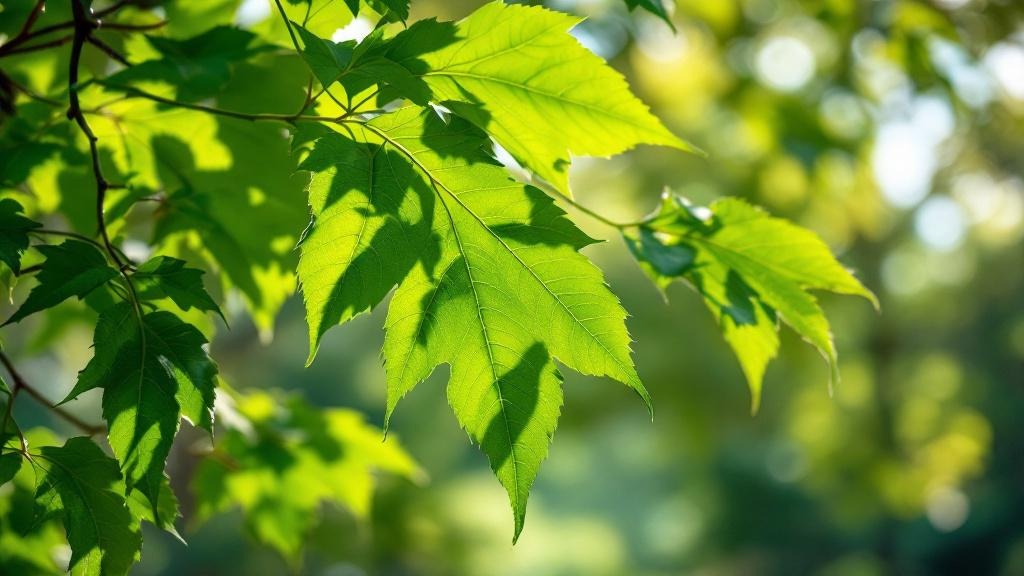
The Southern Catalpa commands attention with its enormous heart-shaped leaves that can reach 30 centimeters across, fragrant white flower panicles in early summer, and pencil-thin seed pods that persist through winter. Native to the southeastern United States but perfectly adapted to temperate European and northern US gardens, this tree is the answer for gardeners searching 'fast-growing shade tree' or 'trees with big leaves.' Its tolerance for urban pollution and various soil types makes it increasingly popular in city gardens and parks alike.
Watering Your Southern Catalpa
Water newly planted catalpas deeply once weekly during their first two growing seasons to establish a strong root system. From April through September, provide about 25 liters per watering session during dry spells. Once established after year three, Southern Catalpas are remarkably drought-tolerant and typically only need supplemental water during extended dry periods exceeding three weeks.
Light Requirements for Healthy Growth
Southern Catalpa performs best in full sun with at least 6 hours of direct sunlight daily. The tree tolerates partial shade but produces fewer flowers and develops a less dense canopy. In temperate climates, choose a south or west-facing location sheltered from harsh winter winds for optimal flowering in late May to early June.
Soil Conditions and Planting
This adaptable tree thrives in a wide range of soil types including heavy clay, sandy loam, and alkaline conditions that challenge other species. Plant bare-root specimens in late November or early March while dormant. Dig a hole twice the width of the root ball, position the tree so the root flare sits at soil level, and mulch with 8-10 centimeters of bark chips keeping it away from the trunk.
Temperature and Climate Tolerance
Southern Catalpa is fully hardy through USDA zones 5-8, tolerating winter temperatures down to minus 25 Celsius once established. Young trees benefit from a burlap wrap around the trunk during their first two winters in exposed locations. The tree drops its leaves early in autumn, usually by mid-October in temperate zones, and is among the last to leaf out in late April or early May.
Fertilizing Schedule
Apply a balanced slow-release fertilizer with an NPK ratio around 10-10-10 in early April as buds begin swelling. Scatter granules beneath the canopy drip line at approximately 100 grams per centimeter of trunk diameter. Established trees over 10 years old rarely need supplemental feeding unless growing in very poor soil.
Common Problems and Solutions
Catalpa sphinx moth caterpillars (Ceratomia catalpae) can rapidly defoliate trees in summer — handpick small infestations or apply Bacillus thuringiensis spray in June. Verticillium wilt causes sudden branch dieback and is best managed by pruning affected limbs 30 centimeters below visible damage and improving drainage. Powdery mildew may appear on leaves during humid August weather but rarely causes lasting harm and can be reduced by improving air circulation through winter pruning.
Frequently asked questions
How fast does a Southern Catalpa tree grow?
Southern Catalpa grows approximately 60-90 centimeters per year when young, reaching 10-15 meters at maturity within 15-20 years. Growth is most vigorous during the first decade. This rapid establishment makes it an excellent choice for gardeners wanting quick shade or a bold focal point.
Why are my Catalpa leaves turning yellow?
Yellow Catalpa leaves typically indicate overwatering, poor drainage, or the onset of autumn senescence starting in September. Check that soil drains within 24 hours after heavy rain — catalpas dislike waterlogged roots. If yellowing appears alongside wilting in midsummer, test for verticillium wilt and prune affected branches immediately.
When does Southern Catalpa bloom?
Southern Catalpa blooms in late May to mid-June in temperate climates, producing upright panicles of white orchid-like flowers with yellow and purple markings. Each flower cluster can reach 25 centimeters tall. The fragrant blooms attract numerous bees and last approximately two weeks before developing into the characteristic long seed pods.
Is Catalpa tree toxic to cats and dogs?
No, Southern Catalpa is not toxic to cats or dogs according to veterinary databases. All parts of the tree — leaves, flowers, seed pods, and bark — are considered non-toxic to household pets. However, ingesting large quantities of any plant material may still cause mild digestive upset.
How do I prune a Southern Catalpa tree?
Prune Southern Catalpa during dormancy between December and early February before sap rises. Remove dead, crossing, or damaged branches and maintain a central leader by eliminating competing vertical stems. For a more compact shape, you can practice pollarding by cutting branches back to the main framework annually, which encourages larger leaves but eliminates flowering.