Rose-painted Calathea
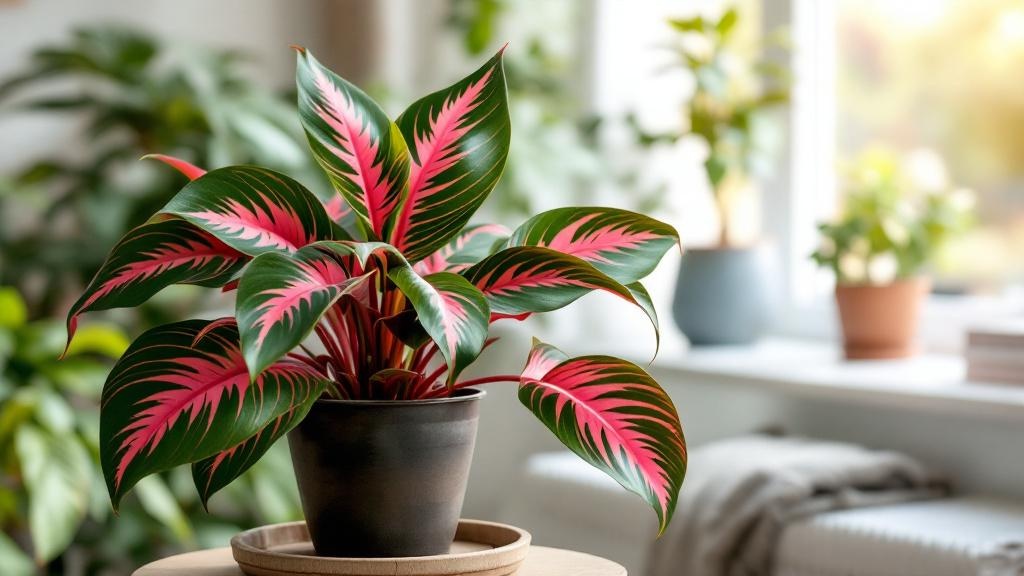
The Rose-Painted Calathea (Goeppertia roseopicta) is prized by houseplant enthusiasts for its dramatic foliage with pink veining and deep emerald leaves. In temperate homes, the main challenge is maintaining humidity without overwatering—something many gardeners struggle with. This guide covers everything you need to keep your Calathea healthy and vibrant year-round.
Watering Your Rose-Painted Calathea
This plant loves consistent moisture but despises waterlogging. Water when the top 2–3 cm of soil feels dry, typically every 7–10 days in spring and summer, and every 10–14 days in autumn and winter. Use filtered or distilled water if possible—tap water minerals can cause brown leaf edges. Never let the soil dry out completely, as Calatheas are sensitive to drought stress.
Light Requirements for Healthy Growth
Rose-Painted Calathea thrives in bright, indirect light. Place it near an east or north-facing window, or 1.5–2 metres from a south-facing window. Direct afternoon sun will fade the pink markings and scorch leaves. In winter, when natural light is reduced across temperate zones, move it slightly closer to a light source to compensate. Low light causes slower growth and loss of leaf coloration.
Soil and Repotting Needs
Use a loose, well-draining mix: combine peat or coco coir with perlite and orchid bark in a 2:1:1 ratio. Repot every 18–24 months in spring when roots emerge from drainage holes. Choose a pot only 2–3 cm larger in diameter. Calatheas prefer being slightly root-bound and resent excessive repotting, so handle gently and use fresh soil to reduce shock.
Temperature and Humidity Management
Maintain temperatures between 18–24°C; avoid dropping below 15°C, which causes leaf curling and stress. High humidity is essential—aim for 50–70%. Increase humidity by misting twice weekly, using a pebble tray with water beneath the pot, or grouping plants together. In heated homes during winter (November–March), humidity often drops significantly, so monitor carefully and adjust misting frequency.
Feeding and Fertilizing Schedule
Feed during the active growing season (March to September) with a balanced, diluted liquid fertilizer every 3–4 weeks. In autumn and winter, reduce feeding to every 6–8 weeks or stop entirely. Over-fertilizing causes salt buildup and leaf burn. Use a half-strength solution rather than full strength to prevent damage on sensitive roots.
Common Problems and Solutions
Brown leaf tips are usually caused by low humidity or mineral buildup in water—switch to distilled water and increase misting. Yellow leaves indicate either overwatering or waterlogging; check drainage and let soil dry slightly between waterings. Spider mites and mealybugs occasionally attack in dry indoor conditions; isolate affected plants, spray with neem oil or insecticidal soap, and repeat weekly for 3 weeks. Curling leaves signal cold stress or low humidity—move away from cold windows and raise humidity immediately.
Frequently asked questions
How often should I water my Rose-Painted Calathea?
Water every 7–10 days in spring and summer when the top 2–3 cm of soil feels dry; reduce to every 10–14 days in autumn and winter. Always use distilled or filtered water to prevent mineral salt buildup on leaves.
Why are my Calathea leaves turning yellow?
Yellow leaves usually mean the soil is too wet or drainage is poor. Let the soil dry out slightly between waterings and ensure your pot has adequate drainage holes. Overwatering is the most common cause in temperate homes where air humidity is naturally lower.
Can I keep Rose-Painted Calathea in low light?
It survives in low light but grows slowly and loses its vibrant pink coloration. Move it to a brighter spot near an east or north-facing window for best results; the foliage will be more colorful and the plant more vigorous.
Is Rose-Painted Calathea toxic to cats and dogs?
No, it is completely non-toxic and safe around pets. Your cat can brush against it or nibble without harm, though you may want to discourage chewing to protect the plant itself.
What humidity level does a Calathea need?
Aim for 50–70% humidity. In temperate homes, especially during winter heating season (November–March), mist twice weekly, use a pebble tray with water, or place it in a bathroom with good indirect light to maintain adequate moisture in the air.