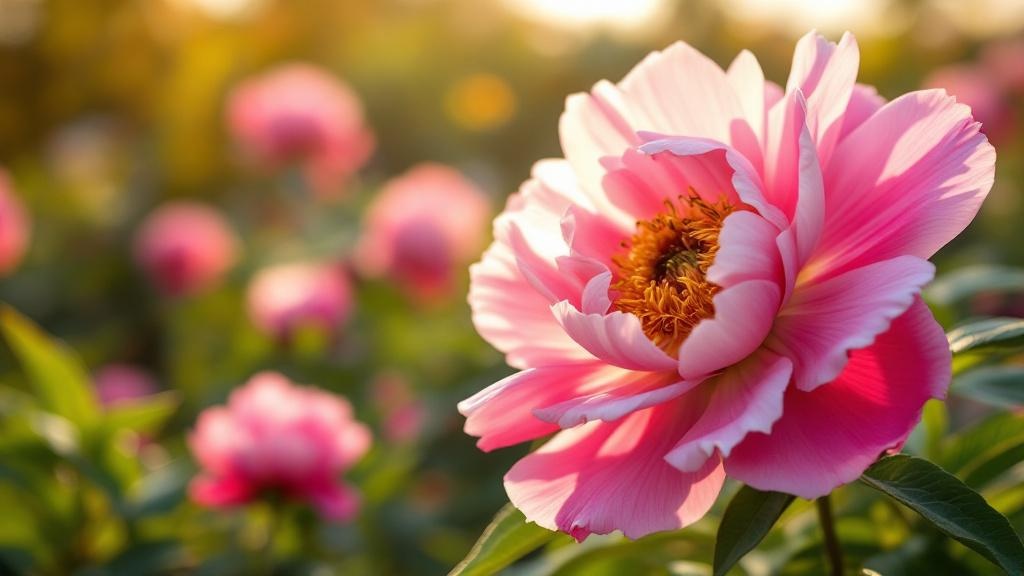
Tea Plant
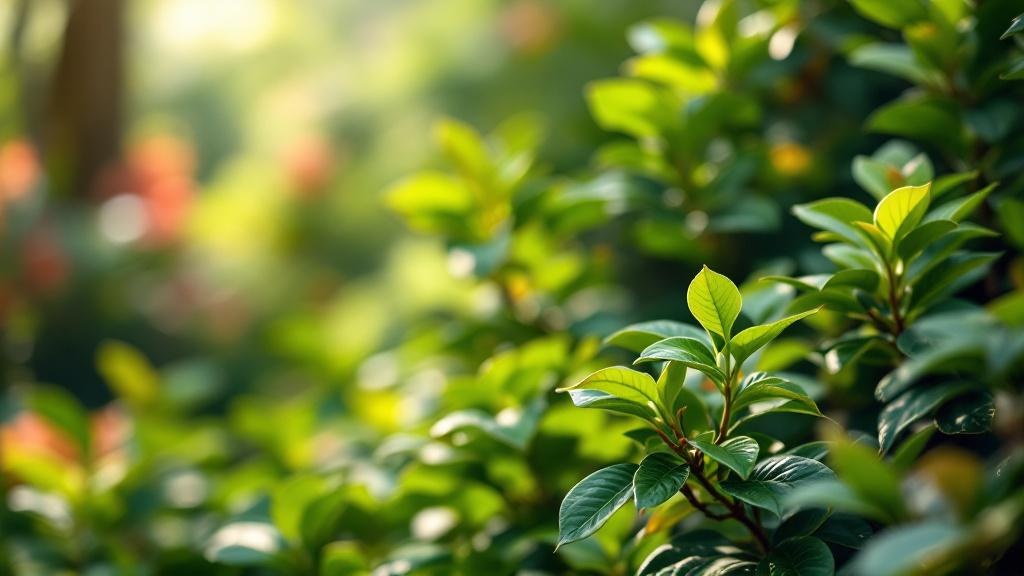
The tea plant is the source of all true tea varieties, from green to black to oolong. Home gardeners increasingly want to grow their own tea, but the most common question is whether Camellia sinensis can survive temperate winters. The answer is yes, with some care. This elegant evergreen shrub produces glossy leaves and delicate white flowers, making it both ornamental and functional. In zones 7-8, it can grow outdoors year-round; in zones 5-6, container growing with winter protection is essential.
Watering Your Tea Plant Correctly
Water your Camellia sinensis every 5-7 days during the growing season (April through September), allowing the top 2-3 cm of soil to dry between waterings. Reduce to every 10-14 days in winter when growth slows. Tea plants dislike lime, so use rainwater or filtered water if your tap water is hard. Consistent moisture is crucial during flowering in autumn and new growth in spring.
Light Requirements for Healthy Growth
Tea plants prefer dappled sunlight or bright indirect light, mimicking their native understory habitat. In Central Europe and the UK, an east-facing position with morning sun works well. Avoid harsh afternoon sun in summer, which can scorch leaves. During winter months indoors, place near a bright window but away from radiators.
Soil and Repotting for Tea Plants
Use acidic soil with a pH of 5.5-6.5, such as ericaceous compost mixed with perlite for drainage. Repot young plants every 2-3 years in early March, before new growth begins. Mature plants can remain in the same container for 4-5 years if you refresh the top layer of soil annually. Choose containers with excellent drainage holes.
Temperature and Humidity Needs
Camellia sinensis tolerates temperatures between 10-25°C during active growth. Most varieties survive brief dips to -5°C outdoors, but prolonged frost damages leaves and roots. In zones 5-6, bring container plants indoors by late October to an unheated but frost-free room (7-12°C is ideal). Maintain humidity around 50-60% by misting or using a pebble tray.
Fertilizing Through the Seasons
Feed every 3-4 weeks from April to August with an ericaceous fertilizer or rhododendron feed. Avoid high-nitrogen feeds after September, as soft new growth is vulnerable to frost damage. A single application of slow-release acidic fertilizer in early April can replace monthly feeding. Never fertilize during winter dormancy.
Common Problems and Solutions
Yellowing leaves often indicate iron chlorosis from alkaline soil or hard water; treat with iron sequestrate and switch to rainwater. Scale insects and vine weevil larvae are common pests in temperate regions; check leaf undersides regularly and use nematodes against vine weevil in September. Root rot occurs in waterlogged soil, so ensure pots drain freely and reduce winter watering.
Frequently asked questions
How often should I water a tea plant?
Water your tea plant every 5-7 days during spring and summer, reducing to every 10-14 days in winter. Let the top few centimeters of soil dry between waterings. Always use soft water, as tea plants are sensitive to lime.
Can I grow tea plants outdoors in the UK?
Yes, tea plants can grow outdoors year-round in southern UK and sheltered spots in USDA zone 7-8 equivalents. In colder northern areas, grow in containers and move to a frost-free greenhouse or conservatory from November to March. Mulch outdoor plants heavily in autumn for root protection.
Why are my tea plant leaves turning yellow?
Yellow leaves usually signal iron deficiency caused by alkaline soil or hard tap water. Test your soil pH and amend with sulphur if above 6.5. Water with rainwater and apply chelated iron to restore green color within weeks.
When can I harvest tea leaves from my plant?
Harvest fresh young shoots with two leaves and a bud from late April through September. Plants need to be at least 3 years old before first harvest. Pick in the morning after dew has dried for the best flavor in your homegrown tea.
Is the tea plant toxic to cats and dogs?
No, Camellia sinensis is not toxic to cats or dogs. While the leaves contain caffeine, the plant itself is considered safe by the ASPCA. However, prevent pets from eating large quantities of leaves to avoid mild digestive upset.