Coleus
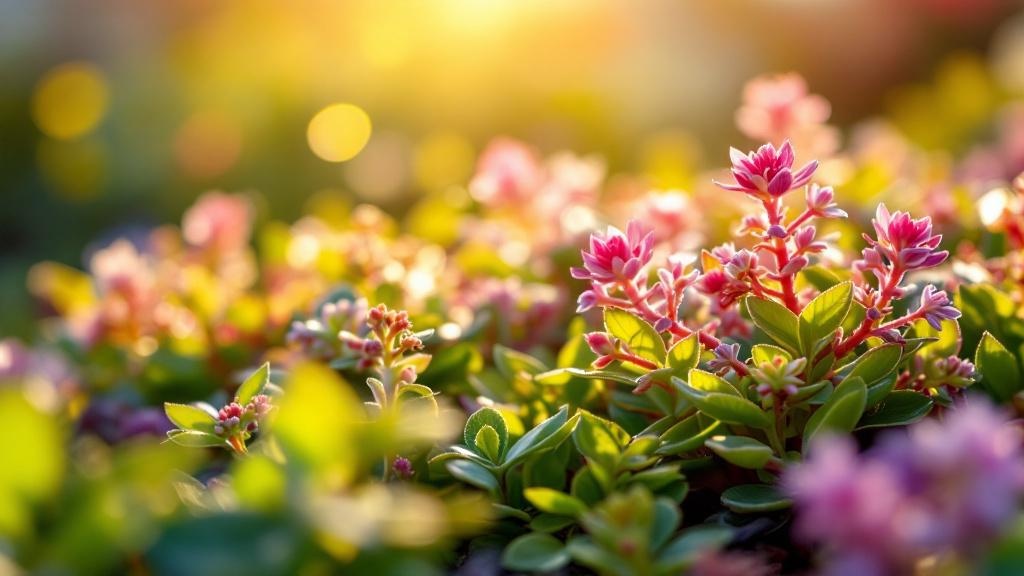
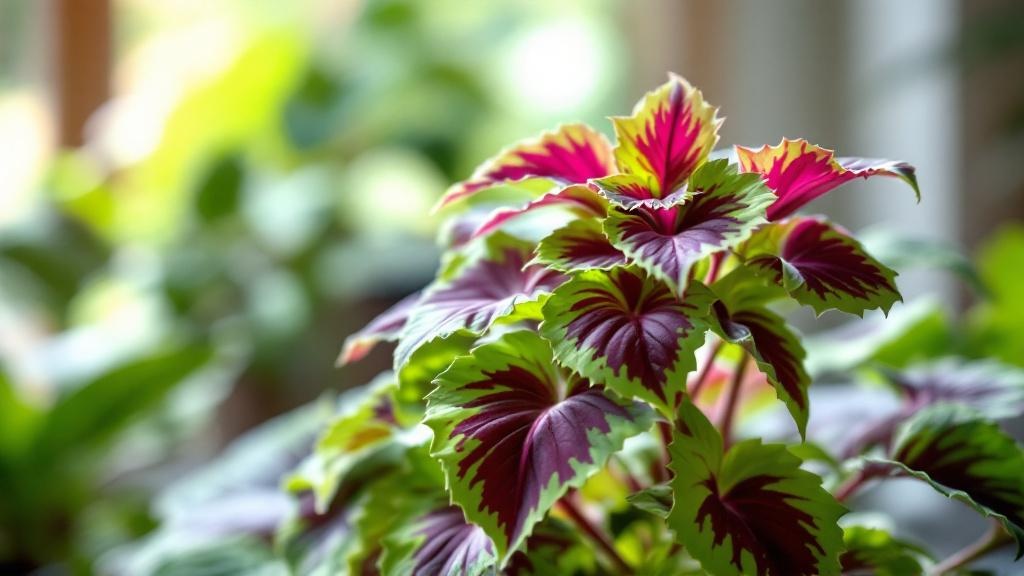
Coleus plants are beloved by gardeners for their stunning, multi-colored leaves that can transform any space. Whether you're growing it as a houseplant or moving it outdoors after the last frost, the most common question is how to keep those brilliant leaf colors vibrant without the plant becoming leggy or losing variegation. With the right light, water, and pinching routine, your coleus will flourish year-round.
Watering Your Coleus
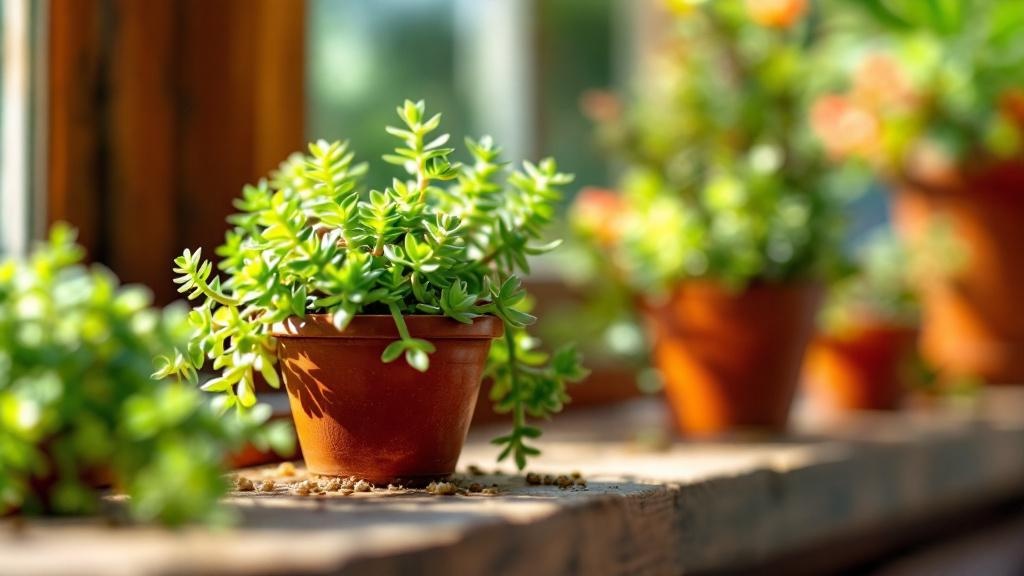
Coleus prefers consistently moist soil but not waterlogged conditions. Water when the top inch of soil feels dry, typically every 5-7 days indoors during growing season and every 10-14 days in winter. In temperate regions, outdoor coleus planted in beds will need daily watering during hot summer weeks. Always use room-temperature water and ensure pots have drainage holes to prevent root rot.
Light Requirements for Vibrant Foliage
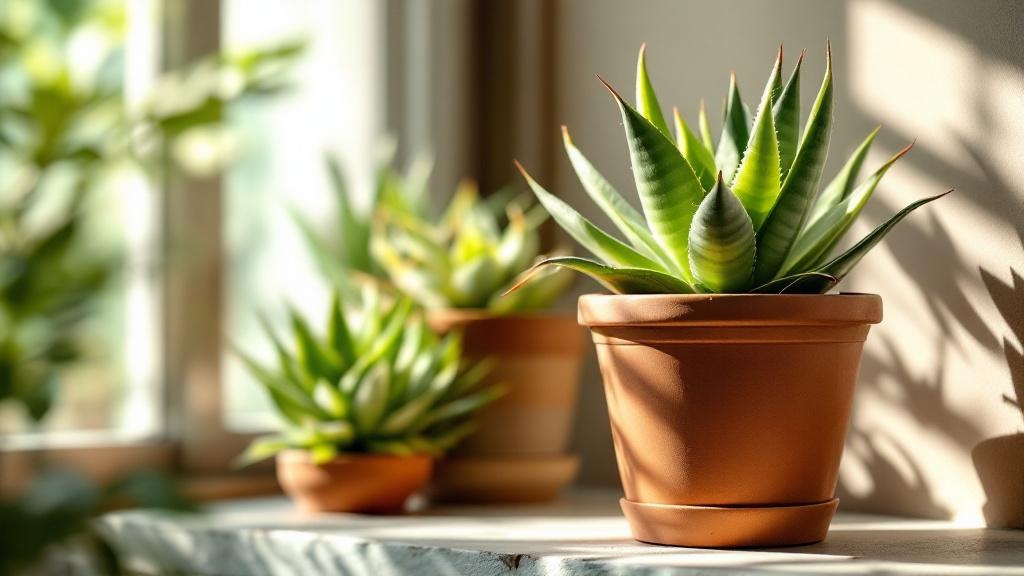
Coleus thrives in bright, indirect light for 6-8 hours daily to maintain intense leaf colors. It tolerates partial shade but may become pale or leggy in low light. Indoors, place near an east or west-facing window; outdoors, dappled morning sun with afternoon shade is ideal in summer heat. Rotate the plant weekly to promote even, compact growth.
Soil and Repotting
Use well-draining potting mix with added peat moss or coco coir to maintain moisture without compacting. Coleus prefers slightly acidic soil with pH 6.0-6.5. Repot in spring when the plant outgrows its container, moving up just one pot size. If roots are circling tightly, gently loosen them before repotting to encourage outward growth.
Temperature and Humidity
Coleus thrives between 65-75°F (18-24°C) and cannot tolerate temperatures below 50°F (10°C). In temperate climates, bring outdoor plants indoors by late September before the first frost. The plant appreciates moderate humidity of 40-60%; mist leaves weekly indoors or group plants together to create a humid microclimate. Avoid drafts from heating vents or open windows in winter.
Fertilizing for Healthy Growth
Feed coleus every 2-3 weeks during the growing season (spring and summer) with a balanced, water-soluble fertilizer diluted to half strength. In fall and winter, reduce feeding to once monthly as growth naturally slows. A fertilizer slightly higher in nitrogen supports foliage color; avoid over-fertilizing, which can reduce variegation intensity. Always water before applying fertilizer to prevent root burn.
Common Problems and Solutions
Leggy stems occur when light is insufficient; pinch off top leaves every 2-3 weeks to encourage bushiness. Yellow or drooping leaves indicate overwatering or poor drainage; allow soil to dry slightly between waterings. Spider mites and mealybugs are common indoor pests in temperate climates; spray affected plants with neem oil or insecticidal soap every 7-10 days until resolved. Check leaf undersides weekly for early detection.
Frequently asked questions
How often should I water my coleus plant?
Water coleus when the top inch of soil feels dry, typically every 5-7 days indoors during growing season. In winter or cooler months, extend watering to every 10-14 days as growth slows and evaporation decreases.
Why is my coleus losing color and becoming pale?
Insufficient light is the main cause of faded coleus colors. Move your plant closer to a bright window or extend exposure to 6-8 hours of indirect light daily. Over-watering and nutrient deficiency can also mute variegation; check drainage and feed with a balanced fertilizer every 2-3 weeks.
Can I grow coleus outdoors in temperate climates?
Yes, coleus thrives outdoors in temperate zones from late spring through early autumn once soil temperatures reach 60°F (15°C), typically after the last frost date in late April or May. Bring plants indoors by late September before the first frost, or treat as annuals and start fresh each year from seed or cuttings.
How do I keep my coleus from getting leggy?
Pinch off the top 1-2 inches of stems every 2-3 weeks to encourage branching and compact growth. Ensure the plant receives at least 6 hours of bright, indirect light daily; insufficient light is the primary reason for leggy, stretched stems.
Is coleus toxic to cats and dogs?
Coleus is mildly toxic to cats and dogs if ingested, causing mild gastrointestinal upset, drooling, or vomiting. Keep the plant out of reach of pets or choose a high shelf, and monitor your animal if accidental ingestion occurs.