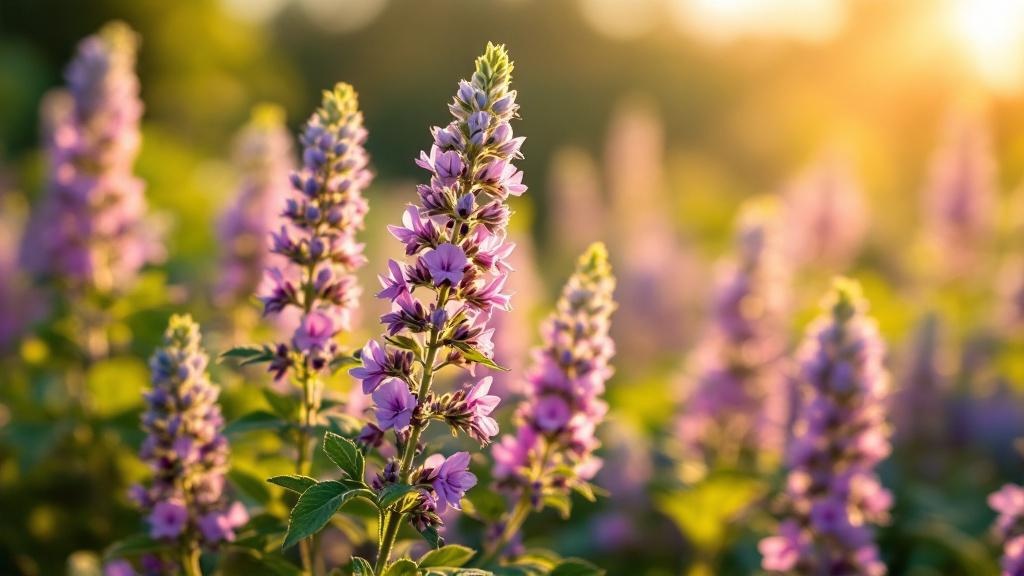
Sky Plant
The Sky Plant (Tillandsia ionantha) is one of the most popular air plants for good reason — it requires no soil, fits anywhere, and blushes brilliant red before producing violet flowers. The most common question new owners ask is how to water an air plant properly, since overwatering and underwatering look frustratingly similar. Native to Central American forests, this epiphyte has adapted to absorb moisture and nutrients through specialized leaf scales called trichomes, making it uniquely suited to indoor growing in temperate homes.
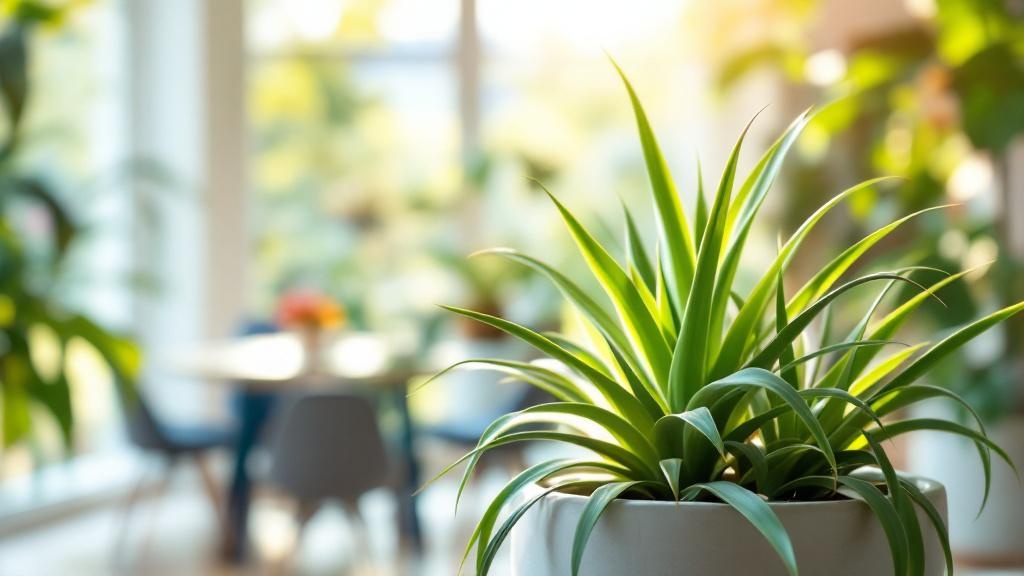
Watering Your Sky Plant the Right Way
Submerge your Sky Plant in room-temperature water for 20-30 minutes once weekly during the growing season (April through September). In winter, reduce soaking to every 10-14 days as growth slows. After soaking, shake off excess water and place upside down on a towel for 1-2 hours — water trapped in the leaf base causes rot faster than any other mistake. In heated homes during winter, a light misting between soaks prevents dehydration from central heating.
Light Requirements for Healthy Growth
Position your Sky Plant within 1-2 meters of an east or west-facing window for ideal bright, indirect light. Direct summer sun through south-facing glass will scorch the leaves within days, but winter sun from November through February is gentle enough for direct exposure. Insufficient light shows as elongated, pale leaves and a plant that never blushes or blooms. Fluorescent or LED grow lights work excellently if natural light is limited — aim for 10-12 hours daily.
Mounting and Display Without Soil
Sky Plants need no soil and should never be planted in potting mix. Mount them on driftwood, cork bark, or stones using non-copper wire or aquarium-safe glue — copper is toxic to Tillandsias. Avoid enclosed terrariums without ventilation, as stagnant humid air promotes fungal problems. Repotting is not applicable, but you can remount as your plant produces offsets (pups) and the clump grows, typically after 2-3 years.
Temperature and Humidity Needs
Keep your Sky Plant between 15-27°C year-round, which suits most temperate homes perfectly. Never expose it to temperatures below 7°C — bring outdoor-displayed plants inside by mid-September before night temperatures drop. Average household humidity of 40-60% is adequate, but plants near radiators benefit from weekly misting. Good air circulation is essential; a gently moving environment mimics their natural habitat and prevents fungal issues.
Feeding Your Air Plant
Fertilize monthly from April through August using a bromeliad or air plant fertilizer diluted to quarter strength. Add fertilizer to your soaking water rather than misting it directly. Over-fertilizing causes salt burn visible as brown leaf tips, so less is genuinely more with Tillandsias. Skip feeding entirely from October through February when growth naturally slows in temperate light conditions.
Common Problems and Solutions
Brown leaf tips usually indicate underwatering, low humidity, or chlorine sensitivity — use rainwater or let tap water sit overnight before soaking. A soft, mushy base signals rot from incomplete drying after watering; remove affected leaves and improve air circulation immediately. Mealybugs occasionally appear as white cottony spots in leaf axils — dab with isopropyl alcohol on a cotton swab and rinse thoroughly.
Frequently asked questions
How often should I water a Sky Plant?
Soak your Sky Plant in water for 20-30 minutes once per week during spring and summer. Reduce to every 10-14 days in winter when growth slows and light levels drop. Always ensure the plant dries completely within 4 hours of watering to prevent rot.
Why is my Sky Plant turning brown?
Brown tips typically mean your Sky Plant is underwatered or exposed to dry air from central heating. Increase soaking frequency and mist between waterings during winter months. If the entire base is brown and soft, root rot has set in from water sitting in the leaf rosette.
When does Tillandsia ionantha bloom?
Sky Plants typically bloom once in their lifetime, usually after 2-4 years of growth, often in late spring or early summer. Before flowering, the inner leaves blush vibrant red or pink for several weeks. After blooming, the mother plant produces 2-4 offsets (pups) before slowly declining.
Is Sky Plant toxic to cats?
No, Tillandsia ionantha is completely non-toxic to cats, dogs, and humans. This makes it an excellent choice for households with curious pets. However, prevent pets from chewing on leaves as this damages the plant even if harmless to the animal.
Can Sky Plants survive in a bathroom?
Yes, bathrooms are often ideal for Sky Plants due to naturally higher humidity from showers. Ensure the room has a window providing bright indirect light, as dark bathrooms will weaken the plant. The humidity may reduce watering needs, so check leaf firmness before soaking.