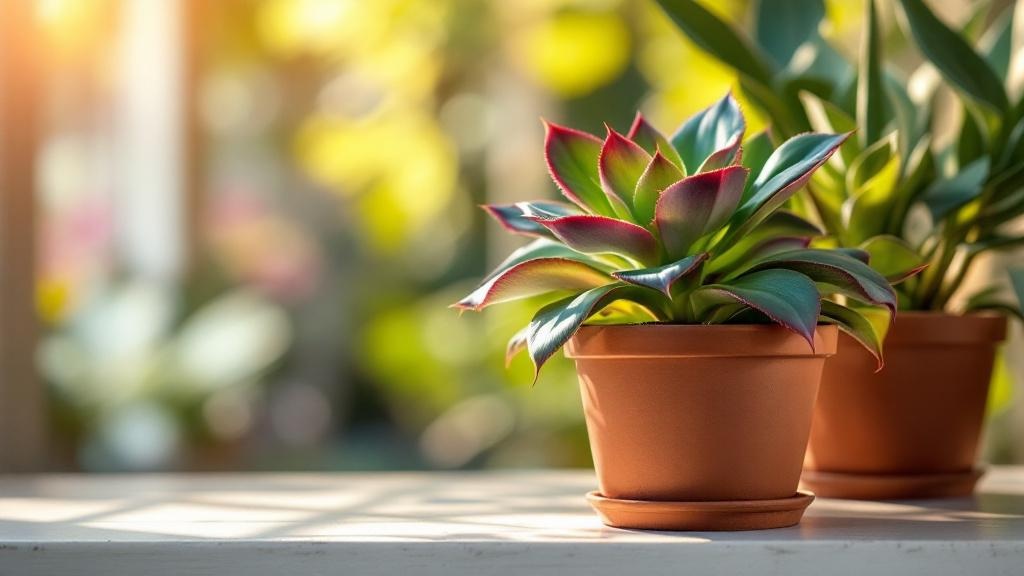
Turmeric
Turmeric brings the magic of tropical spice growing to temperate gardens, producing the same golden rhizomes used in curries and wellness remedies worldwide. The most common question growers ask is whether turmeric can survive in cooler climates — and yes, it absolutely can with the right approach. By treating it as a tender perennial that overwinters indoors, you can harvest fresh turmeric rhizomes each autumn while enjoying its lush, canna-like foliage throughout summer.
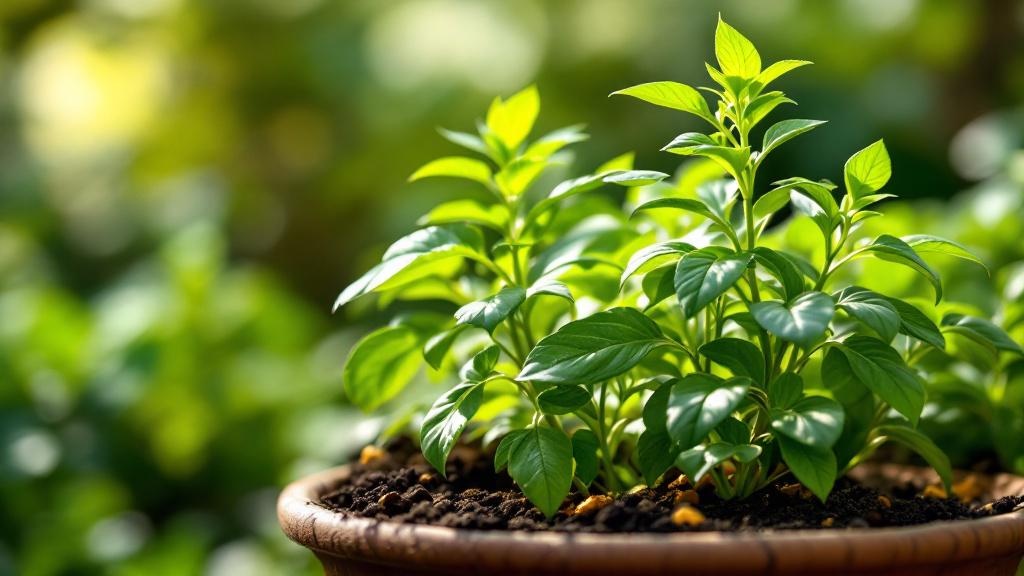
Watering Your Turmeric Plant
Turmeric thrives in consistently moist soil during its active growing season from May through September. Water every 2-3 days in summer, ensuring the soil stays damp but never waterlogged. Reduce watering dramatically in October as foliage yellows and dies back, keeping rhizomes nearly dry during winter dormancy. Overwatering dormant rhizomes is the primary cause of rot and plant death.
Light Requirements for Healthy Growth
Position turmeric in bright indirect light or dappled shade, mimicking its native understory habitat. In temperate summers, outdoor plants perform well in partial shade with 4-6 hours of filtered sunlight. Avoid harsh midday sun which can scorch leaves. Indoor plants do best near east or west-facing windows, or under grow lights for 10-12 hours daily.
Soil and Repotting Turmeric
Plant turmeric in rich, loose, well-draining soil with a slightly acidic pH of 6.0-6.5. Mix standard potting compost with perlite and well-rotted organic matter in equal parts. Use containers at least 30cm deep and wide to accommodate spreading rhizomes. Repot annually in late March or April when starting rhizomes into fresh growth, dividing clumps if desired.
Temperature and Humidity Needs
Turmeric requires warmth between 20-30°C for active growth and cannot tolerate frost. Move container plants outdoors only after mid-May when night temperatures stay above 12°C. Bring plants indoors in late September before first frosts, storing dormant rhizomes at 10-15°C in a cool, dark spot. Maintain humidity above 50% during active growth by misting or using pebble trays.
Fertilizing for Maximum Rhizome Production
Feed turmeric every 2-3 weeks from May through August with a balanced liquid fertilizer diluted to half strength. Switch to a high-potassium feed in late summer to encourage rhizome development before dormancy. Avoid fertilizing from October through March when plants are dormant. Overfeeding causes lush foliage at the expense of rhizome growth.
Common Problems and Solutions
Rhizome rot from overwatering dormant plants is the most frequent issue — store dry rhizomes in peat or sand over winter. Red spider mites attack indoor plants in dry conditions; increase humidity and treat with neem oil or insecticidal soap. Yellowing leaves in summer indicate either overwatering or nutrient deficiency; check soil moisture and resume feeding if soil drainage is adequate.
Frequently asked questions
How long does turmeric take to grow from rhizome to harvest?
Turmeric takes 8-10 months from planting to harvest. Plant rhizomes indoors in March, move outside in May, and harvest when foliage dies back in October or November. Each rhizome piece produces a clump weighing 200-500g under good conditions.
Can turmeric survive winter outdoors in the UK?
No, turmeric cannot survive winter outdoors in the UK or similar temperate climates. Frost kills the rhizomes, so you must dig them up in late September and store them dry indoors at 10-15°C, or grow turmeric entirely in containers that move inside before first frost.
Why are my turmeric leaves turning yellow in summer?
Yellow turmeric leaves in summer usually indicate overwatering or poor drainage. Check that your container has adequate drainage holes and reduce watering frequency. If soil drainage is fine, yellowing may signal nutrient deficiency — resume feeding with balanced liquid fertilizer every two weeks.
Is turmeric toxic to cats and dogs?
No, turmeric is non-toxic to cats and dogs. The rhizomes and foliage are safe if pets nibble on them. In fact, turmeric is sometimes used as a dietary supplement for pets, though always consult a veterinarian before adding it to their food.
When should I plant turmeric rhizomes in spring?
Plant turmeric rhizomes indoors in late March or early April to give them a head start. Place rhizomes 5cm deep in moist compost and keep warm at 20-25°C until shoots emerge in 3-6 weeks. Move hardened-off plants outdoors only after mid-May when frost risk has passed.