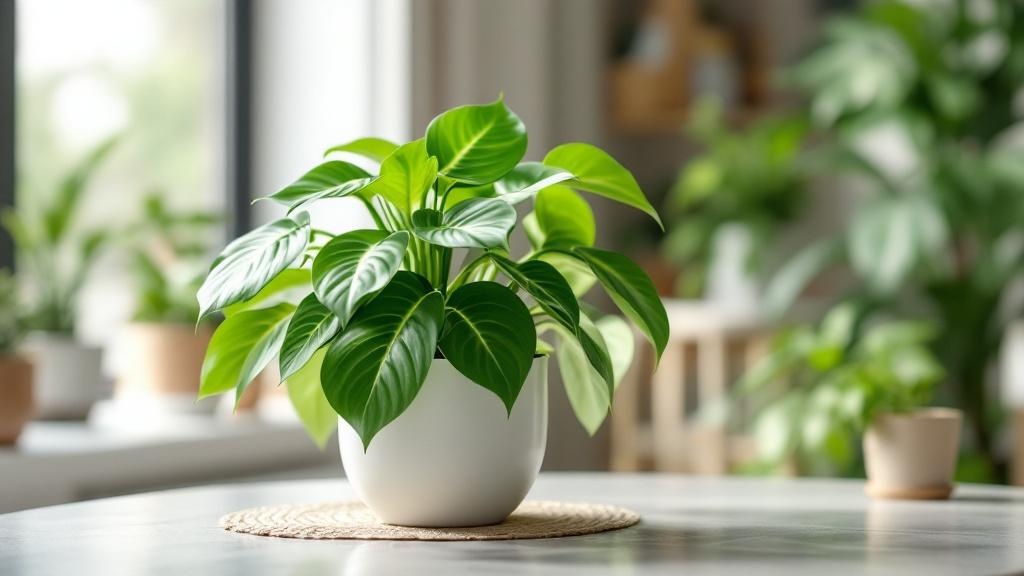
Chinese Money Plant
The Chinese Money Plant has become a beloved houseplant across Europe and North America, prized for its quirky upright growth and perfectly round, pale-green leaves that resemble coins. If you've recently brought one home or are considering it, the main question is always the same: how do I keep it healthy and encourage those characteristic full, bushy stems? With consistent but simple care, Pilea thrives indoors and even produces small white flowers in spring if conditions are right.
Watering Your Pilea Peperomioides
Water when the top 2 cm of soil feels dry to the touch, roughly every 7-10 days during the growing season (April to September in temperate climates). In winter, reduce frequency to every 10-14 days as growth slows. Overwatering is the most common killer—Pilea prefers to dry out slightly between waters rather than sit in wet soil. Use room-temperature water and ensure pots have drainage holes to prevent root rot.
Light Requirements for Chinese Money Plant
Pilea thrives in bright, indirect light—place it near a north-, east-, or west-facing window with a sheer curtain filtering direct sun. Direct afternoon sunlight through unshaded glass can scorch leaves, especially in summer. If your home lacks bright spots, Pilea tolerates partial shade but will grow more slowly and may become leggy. Rotate the plant 90 degrees every 1-2 weeks to encourage even, upright growth rather than leaning toward the light source.
Soil and Repotting Guide
Use a light, well-draining potting mix—standard multipurpose compost mixed with 20-30% perlite or orchid bark works well. Peat-free options are increasingly available and equally effective. Repot every 18-24 months in spring (late March to April) or when roots visibly emerge from drainage holes. Choose a pot only 1-2 cm larger in diameter than the current one; oversized pots retain too much moisture and invite root rot. Gently loosen the root ball before repotting.
Temperature and Humidity
Keep Pilea between 15-24°C for optimal growth; it tolerates typical indoor room temperatures. Avoid cold drafts from windows below 10°C and sudden temperature swings. Humidity between 40-60% is ideal but not essential—average home humidity suffices in temperate zones. During winter heating season, occasional misting or grouping with other plants can help. Pilea does not need a humidity tray or special equipment unless your home is exceptionally dry.
Feeding Your Pilea
Feed with a diluted, balanced liquid fertilizer (NPK 10-10-10 or similar) every 2-3 weeks during the growing season (April to September). Reduce to monthly or stop entirely in autumn and winter when growth slows dramatically. Over-fertilizing causes salt buildup in soil and brown leaf tips, so always follow label dilution rates and err on the side of less. Organic fertilizers or slow-release granules applied once in spring are equally effective alternatives.
Common Problems and Solutions
Yellow or translucent leaves usually signal overwatering—check soil moisture and reduce watering frequency immediately. Brown, papery leaf edges suggest underwatering or low humidity; increase watering slightly and mist occasionally. Leggy, sparse growth indicates insufficient light; move the plant closer to a bright window and rotate regularly. Spider mites occasionally appear indoors in dry conditions (especially during winter heating); spray affected foliage with water or dilute neem oil if needed. Root rot from waterlogged soil requires swift repotting into fresh, dry mix and removal of blackened roots.
Frequently asked questions
How often should I water my Chinese Money Plant?
Water every 7-10 days in spring and summer when the top 2 cm of soil is dry, and every 10-14 days in autumn and winter. Always check soil moisture before watering—Pilea prefers slightly dry conditions over waterlogged roots.
Why are my Pilea leaves turning yellow?
Yellow leaves almost always indicate overwatering or poor drainage. Check that your pot has drainage holes, let the soil dry out between waterings, and consider repotting into fresh, well-draining mix if the problem persists.
How much light does a Pilea peperomioides need?
Pilea needs bright, indirect light to thrive—position it near a north-, east-, or west-facing window filtered by a sheer curtain. It tolerates partial shade but will grow slowly and become leggy without sufficient brightness.
Is Chinese Money Plant safe for cats and dogs?
Yes, Pilea peperomioides is completely non-toxic to cats, dogs, and other pets. You can safely place it anywhere in your home without worry.
When does Pilea peperomioides bloom and how do I encourage flowers?
Pilea produces tiny white or pale pink flowers in spring (March to May) if light and conditions are optimal. Mature, well-established plants in bright indirect light are most likely to bloom; young or stressed plants rarely flower indoors.