King of Air Plants
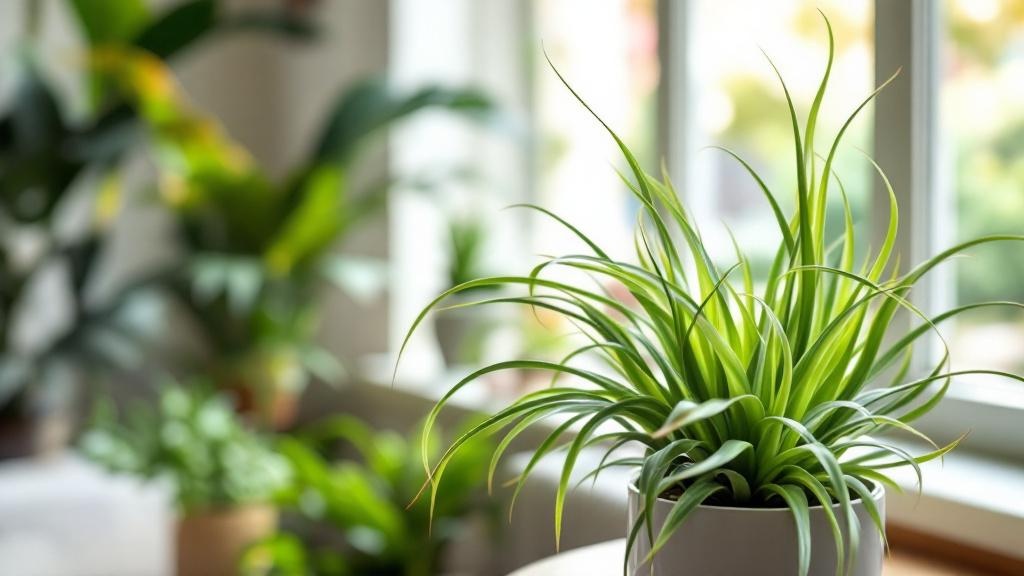
Tillandsia xerographica earns its royal title with dramatic silvery-green rosettes that can reach 30cm wide. The most common question new owners ask is how to water an air plant without soil. Unlike potted houseplants, this Mexican native absorbs moisture through specialised leaf scales called trichomes, making watering technique crucial. In temperate climate homes where indoor air tends to be dry, especially during winter heating season, mastering humidity and airflow is the key to keeping your xerographica thriving for years.
Watering Your Xerographica: The Soak and Dry Method
Submerge your xerographica in room-temperature water for 20-30 minutes once weekly during spring through autumn. In winter when growth slows, reduce to every 10-14 days. After soaking, shake out excess water and place upside down on a towel for 4 hours to ensure the centre dries completely. Standing water in the rosette causes rot, the leading killer of air plants in temperate homes.
Light Requirements for Healthy Growth
Position your xerographica in bright indirect light, ideally near an east or west-facing window. Direct summer sun through glass can scorch the leaves, causing brown tips. In the darker months from November to February, you may need to move it closer to a south-facing window or supplement with a grow light for 10-12 hours daily. The silvery trichomes that give xerographica its frosted appearance also protect it from light stress.
Mounting and Display Without Soil
As an epiphyte, xerographica needs no soil and should never be planted in dirt. Display on driftwood, cork bark, in glass terrariums with open tops, or simply placed in a decorative bowl. If mounting with glue, use aquarium-safe silicone or non-toxic craft glue, never superglue which releases harmful fumes. Ensure any display allows for easy removal during weekly soaking and provides adequate air circulation around the base.
Temperature and Humidity for Temperate Climates
Xerographica thrives between 15-27°C, making average UK and Central European home temperatures ideal. It cannot tolerate frost and should never be placed near cold draughts from windows or exterior doors in winter. Humidity of 50-60% keeps leaves supple, but central heating often drops indoor levels to 30%. Combat dry winter air by misting between soaks or placing near other plants to create a humid microclimate.
Feeding Your Air Plant
Apply a bromeliad or tillandsia-specific fertiliser at quarter strength once monthly from April through September. Add it to your soaking water for even absorption through the leaves. Avoid fertilisers containing copper or boron, which are toxic to air plants. During the dormant winter period from October to March, skip feeding entirely as the plant cannot utilise nutrients during slow growth.
Common Problems and Solutions
Brown leaf tips usually indicate underwatering or low humidity, easily fixed by increasing misting frequency and ensuring thorough weekly soaks. A soft, mushy base signals rot from water trapped in the rosette, often fatal but caught early you can remove affected leaves and improve drying conditions. Mealybugs occasionally appear as white cottony spots in leaf axils, treat by dabbing with isopropyl alcohol on a cotton bud and rinsing thoroughly after 5 minutes.
Frequently asked questions
How often should I water Tillandsia xerographica?
Soak your xerographica for 20-30 minutes once per week during the growing season. In winter with slower growth and lower light, extend this to every 10-14 days. Always ensure the plant dries completely within 4 hours after watering to prevent rot.
Why are my xerographica leaves curling tightly?
Tightly curled leaves indicate your xerographica needs water. While some curl is natural and attractive, extreme inward curling means the plant is dehydrated. Give it a longer soak of 1-2 hours to rehydrate, then resume regular weekly watering.
Is Tillandsia xerographica toxic to cats?
No, xerographica is completely non-toxic to cats, dogs, and other pets. Air plants are safe to display in homes with curious animals. However, the stiff leaves could pose a choking hazard if chewed, so placement out of reach is still wise.
How big does Tillandsia xerographica grow?
Mature xerographica rosettes typically reach 20-30cm in diameter, with some specimens growing to 40cm over many years. Growth is slow, adding only a few centimetres annually in ideal conditions. This makes it one of the largest and most impressive tillandsia species.
Does Tillandsia xerographica flower?
Yes, xerographica produces a dramatic red and green flower spike after reaching maturity, typically 7-10 years from seed. The bloom lasts several months, usually appearing in late spring or summer. After flowering, the mother plant slowly declines but produces offsets called pups to continue the cycle.
🩺 Common diseases and pests
These problems commonly affect this plant. Click any to see full symptom descriptions, organic and chemical treatment, and prevention.