Watermelon Dischidia
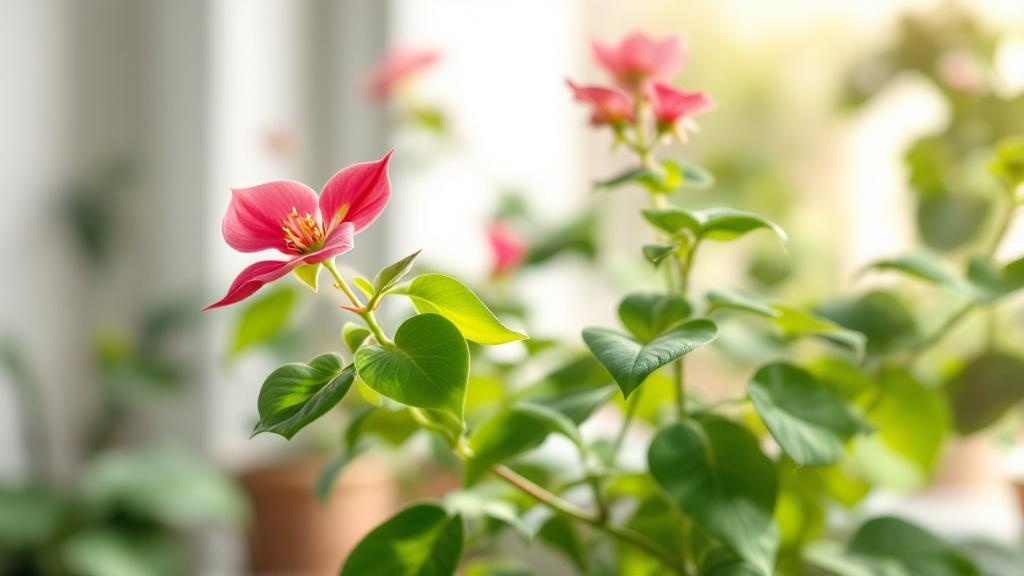
Watermelon Dischidia has captured houseplant enthusiasts with its delicate trailing vines and striking green leaves marked with silvery watermelon-like stripes. Native to Southeast Asian rainforests, this epiphytic plant grows on tree branches in the wild, which explains its unique care needs. The most common question growers ask is how to provide enough humidity without causing root rot. Understanding this balance is the key to keeping your Dischidia ovata thriving year-round in temperate indoor environments.
Watering Your Watermelon Dischidia Correctly
Allow the growing medium to dry out almost completely between waterings, typically every 7-10 days in summer and every 14-21 days from November through February. As an epiphyte, Dischidia ovata stores water in its succulent leaves and is far more tolerant of underwatering than overwatering. Water thoroughly until it drains from the bottom, then empty the saucer to prevent standing water. In centrally heated homes during winter, reduce watering further as growth slows significantly.
Light Requirements for Vibrant Leaf Patterns
Provide bright indirect light for the best leaf colouration and steady growth. An east-facing window or a spot 1-2 metres from a south or west-facing window works well in UK and Central European homes. Direct summer sun through glass can scorch the delicate leaves, causing brown patches. During the darker months from October to March, consider moving your plant closer to the window or supplementing with a grow light for 10-12 hours daily.
Soil and Repotting Essentials
Use a chunky, fast-draining epiphyte mix combining orchid bark, perlite, and a small amount of coco coir in roughly equal parts. Standard potting soil retains too much moisture and will cause root rot. Repot only when roots completely fill the container, typically every 2-3 years in April or May. Choose a pot only slightly larger than the current one, as Dischidia prefers being somewhat rootbound and excess soil stays wet too long.
Temperature and Humidity Needs
Maintain temperatures between 18-27°C year-round, never letting it drop below 15°C. Keep plants away from cold draughts near windows in winter and avoid placement near radiators. Humidity is crucial for this rainforest native; aim for 50-70% relative humidity. In heated homes during winter, use a pebble tray, group plants together, or run a humidifier nearby. Bathrooms with good natural light make excellent locations.
Fertilizing for Healthy Growth
Feed monthly from April through September with a balanced liquid fertiliser diluted to half the recommended strength. Epiphytes are sensitive to salt buildup, so flush the growing medium with plain water every 4-6 weeks during the growing season. Stop fertilising completely from October through March when growth naturally slows. Over-fertilising causes leaf tip burn and can damage the delicate root system.
Common Problems and Solutions
Yellowing leaves typically indicate overwatering or poor drainage; let the medium dry out completely and check for root rot. Shrivelling leaves suggest underwatering or extremely low humidity; increase watering frequency slightly and mist regularly. Watch for mealybugs hiding in leaf axils, a common pest on Dischidia in indoor conditions; treat with isopropyl alcohol on a cotton bud or neem oil spray. Spider mites may appear in dry winter conditions; increase humidity and wash leaves with lukewarm water.
Frequently asked questions
How often should I water Watermelon Dischidia?
Water every 7-10 days in summer and every 2-3 weeks in winter, allowing the medium to dry almost completely between waterings. Dischidia ovata is epiphytic and stores water in its leaves, making it drought-tolerant. Overwatering is the most common cause of plant death, so when in doubt, wait another few days.
Why are my Watermelon Dischidia leaves turning yellow?
Yellow leaves are almost always caused by overwatering or soggy roots. Check that your pot has drainage holes and your medium is fast-draining. If the roots look brown and mushy, trim away the damaged portions, let them dry overnight, and repot in fresh chunky mix.
Is Watermelon Dischidia toxic to cats?
No, Watermelon Dischidia is considered non-toxic to cats, dogs, and humans. This makes it a safe choice for households with curious pets. However, ingesting any plant material may cause mild stomach upset, so its best to keep it out of reach of persistent chewers.
How do I increase humidity for Dischidia ovata?
Group your Dischidia with other plants, place it on a pebble tray filled with water, or use a small humidifier nearby. Misting provides temporary relief but is not a long-term solution. Growing it in a glass terrarium or cloche can maintain consistently high humidity, which this plant loves.
Can Watermelon Dischidia grow in low light?
Watermelon Dischidia can survive in medium light but will grow slowly with less vibrant leaf markings. For healthy growth and pronounced watermelon striping, bright indirect light is essential. In low-light situations, the vines become leggy and sparse, and the plant may eventually decline.