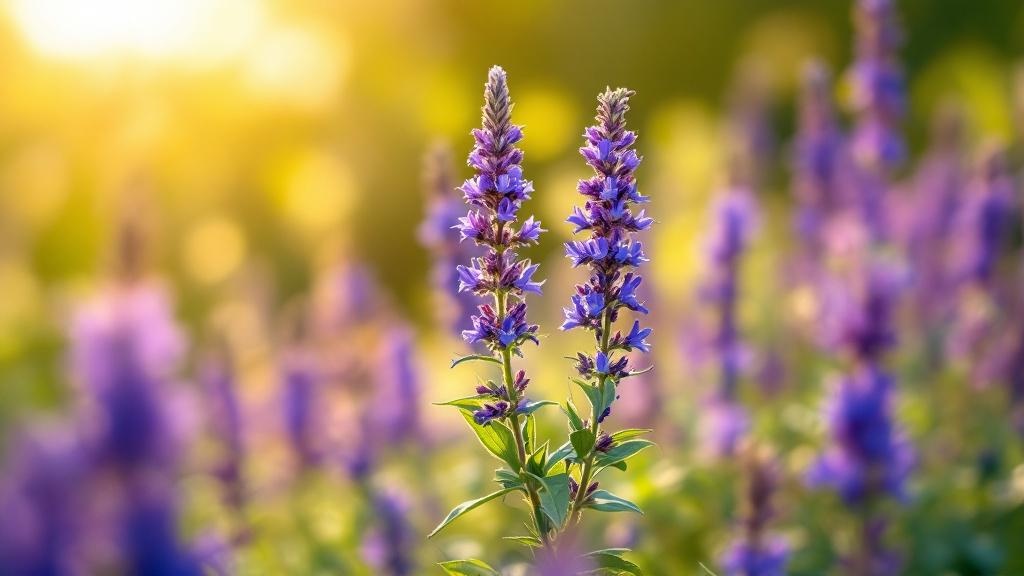
Wandering Jew
Wandering Jew plants (Tradescantia zebrina) are beloved by indoor gardeners for their vibrant purple undersides and easy-going nature. This trailing houseplant thrives in temperate homes and adapts well to various light conditions. The most common question beginners ask is how often to water—the answer lies in reading the soil, not the calendar.
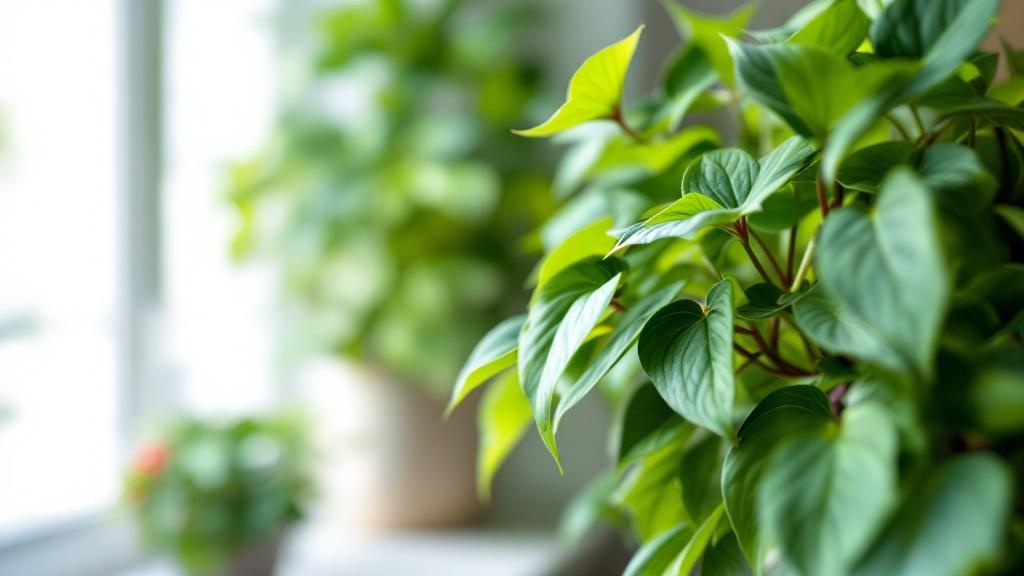
Watering Tradescantia Zebrina
Water when the top 1-2 cm of soil feels dry to the touch—typically every 7 days in warm months (May–September) and every 10-14 days from October onwards. Overwatering is the main killer; ensure pots have drainage holes and empty saucers after 10 minutes. In winter, reduce frequency significantly as growth slows in cooler UK and Central European temperatures. If leaves become translucent or mushy, cut back immediately and check for root rot.
Light Requirements for Purple Foliage
Tradescantia zebrina produces its most vivid purple undersides in bright, indirect light—an east or west-facing windowsill is ideal. It tolerates partial shade but will lose color and become leggy in low light. Avoid direct midday sun in summer, which can scorch leaves and fade their rich hues. Rotate the plant every 2 weeks for even growth and color development.
Soil & Repotting Tips
Use a lightweight, well-draining potting mix—a mix of peat, perlite, and compost works well. Repot every spring (late March–April in temperate zones) if the plant is root-bound or growth has slowed. Choose a pot only slightly larger than the previous one, as Tradescantia prefers snug quarters. Adding 10-15% perlite improves drainage and prevents waterlogging.
Temperature & Humidity
This plant thrives in average temperate indoor temperatures between 15-24°C. Avoid drafts from heating vents and cold windows below 10°C, which stresses the plant. Humidity around 40-50% is sufficient; occasional misting in summer helps, though it is not essential. In winter, keep away from radiators and maintain consistent temperatures to prevent leaf drop.
Feeding Your Wandering Jew
Feed every 4 weeks during the growing season (April–September) with a diluted, balanced houseplant fertilizer (10-10-10 NPK). Reduce feeding from October onwards and stop entirely in December–February. Overfertilizing causes soft, weak growth and salt buildup in soil. A light touch keeps foliage vibrant without excess nitrogen, which promotes leaf at the expense of color.
Common Problems & Solutions
Yellowing or pale leaves signal insufficient light—move closer to a window. Brown, mushy stems and root rot result from overwatering; repot into fresh, dry soil and trim affected roots with clean scissors. Mealybugs and spider mites are the main pests in temperate homes, especially in winter; spray with neem oil or insecticidal soap every 5-7 days until resolved. Check undersides of leaves weekly, as pests hide there.
Frequently asked questions
How often should I water Wandering Jew plants?
Water every 7 days in summer and every 10-14 days in winter when the top 1-2 cm of soil feels dry. Always empty drainage saucers after 10 minutes to prevent root rot.
Why are my Tradescantia zebrina leaves turning yellow?
Yellow leaves usually mean too little light or overwatering. Move the plant to a brighter, indirect light spot and allow soil to dry between waterings. Check for root rot by gently removing the plant from its pot.
Can I propagate Wandering Jew from cuttings?
Yes, Tradescantia zebrina propagates easily from 5-10 cm stem cuttings in water or moist soil. Place cuttings in a jar of water and roots appear within 7-10 days; transfer to soil once roots are 1 cm long.
Is Wandering Jew toxic to cats and dogs?
Yes, it is mildly toxic to cats and dogs. Ingestion causes mild mouth irritation and digestive upset. Keep plants out of reach of curious pets and wash hands after handling.
Why is my Tradescantia losing color and becoming leggy?
Insufficient light causes pale, weak growth. Move the plant to a brighter spot—near an east or west-facing window is ideal. Pinch off new growth tips regularly to encourage bushier, fuller shape.