Walnut
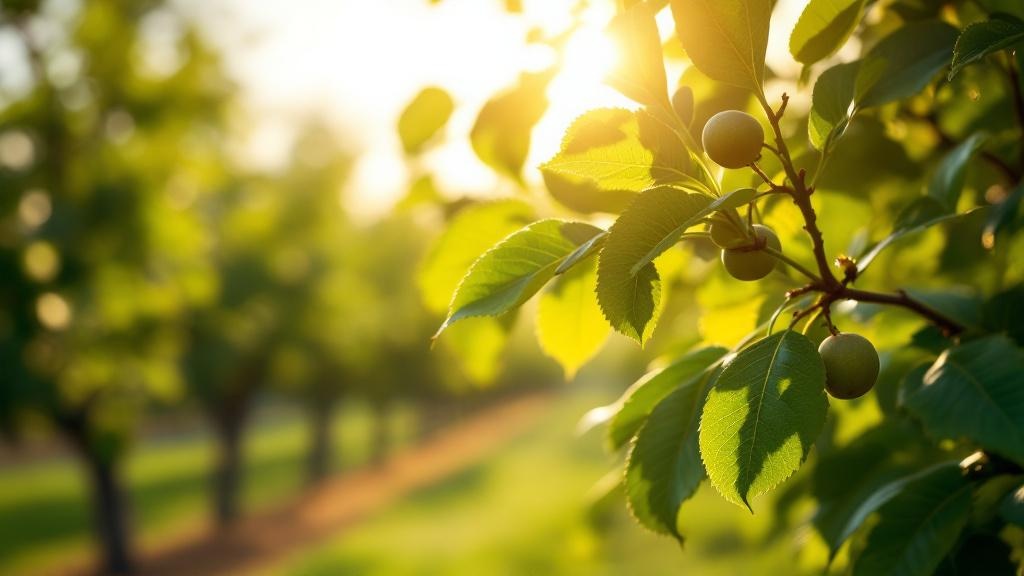
The common walnut is one of the most rewarding fruit trees for larger temperate gardens, producing delicious nuts for decades once established. The most frequent question gardeners ask is when and how to prune walnut trees without causing damage. Unlike many fruit trees, walnuts require specific timing due to their heavy sap flow, making proper care knowledge essential for long-term success and abundant harvests.
Watering Your Walnut Tree Correctly
Young walnut trees need consistent moisture during their first 3-4 years. Water deeply every 7-10 days during dry spells from April through September, allowing the soil to dry slightly between waterings. Established trees are drought-tolerant but produce better nut crops with supplemental watering during prolonged summer dry periods. Avoid waterlogging, as walnuts are susceptible to root rot in poorly drained soils.
Light Requirements for Healthy Growth
Walnuts demand full sun exposure of at least 6 hours daily to develop properly and produce nuts. Plant in an open location away from buildings and other large trees. Young trees tolerate light afternoon shade in hot summers, but mature trees need unobstructed sunlight. Insufficient light leads to weak growth, sparse canopies, and poor nut production.
Soil Preparation and Planting
Walnuts thrive in deep, fertile, well-drained loamy soil with a pH between 6.0 and 7.5. Before planting in late autumn or early March, dig a hole twice the root ball width and amend heavy clay with organic matter. These trees develop deep taproots, so avoid areas with high water tables or compacted subsoil. Space trees 12-15 meters apart, as mature walnuts reach impressive sizes.
Temperature and Climate Considerations
Established walnuts tolerate winter temperatures down to minus 25°C, making them suitable for USDA zones 5-8. However, late spring frosts in April and May can damage emerging flowers and young shoots, reducing nut yields. In frost-prone areas, plant on slopes where cold air drains away. Summer heat above 35°C can cause sunscald on young bark, so consider temporary shading for newly planted trees.
Feeding Your Walnut Tree
Apply a balanced fertilizer (10-10-10) in early April before bud break, spreading it under the canopy drip line. Young trees benefit from 500g per year of age, up to 5kg for mature trees. A second application in June supports nut development. Excessive nitrogen promotes leafy growth at the expense of fruiting, so avoid over-fertilizing. Mulch with well-rotted compost in autumn to improve soil structure.
Common Walnut Problems and Solutions
Walnut blight (Xanthomonas) causes black spots on leaves and young nuts during wet springs; apply copper-based sprays at bud break in April. Codling moth larvae tunnel into developing nuts from June onwards; use pheromone traps to monitor and time treatments. Walnut leaf blotch (Gnomonia) creates brown patches in humid summers; improve air circulation through proper pruning and remove fallen leaves in autumn to reduce overwintering spores.
Frequently asked questions
When should I prune my walnut tree?
Prune walnut trees only during late summer, from mid-August to early September, when sap flow is minimal. Pruning in winter or spring causes excessive bleeding that weakens the tree and invites disease. Remove dead, crossing, or damaged branches, and shape young trees to develop a strong central leader.
How long until a walnut tree produces nuts?
Grafted walnut trees typically begin producing nuts in 4-5 years, while seedling trees may take 8-10 years. Full production is reached around 15-20 years of age. Early fruiting varieties like Chandler or Franquette can accelerate your first harvest in temperate climates.
Why are my walnut tree leaves turning yellow?
Yellow walnut leaves usually indicate chlorosis from iron deficiency in alkaline soils, or waterlogging causing root stress. Test your soil pH and apply chelated iron if above 7.5. Ensure proper drainage and reduce watering if the soil remains soggy. Nutrient deficiency or drought stress can also cause premature yellowing in late summer.
Is walnut tree toxic to other plants?
Yes, walnut trees produce juglone, a natural compound toxic to many plants including tomatoes, peppers, azaleas, and apple trees. This allelopathic effect extends beyond the canopy to where roots spread. Plant juglone-tolerant species like beans, squash, or ornamental grasses within 15 meters of walnut trees.
When do I harvest walnuts in temperate climates?
Harvest walnuts from late September through October when the green outer husk splits and nuts begin falling naturally. Gather fallen nuts promptly to prevent mold and rodent damage. Remove husks immediately, dry nuts in a single layer in a warm, ventilated area for 2-3 weeks before storage.
🩺 Common diseases and pests
These problems commonly affect this plant. Click any to see full symptom descriptions, organic and chemical treatment, and prevention.