Codling moth
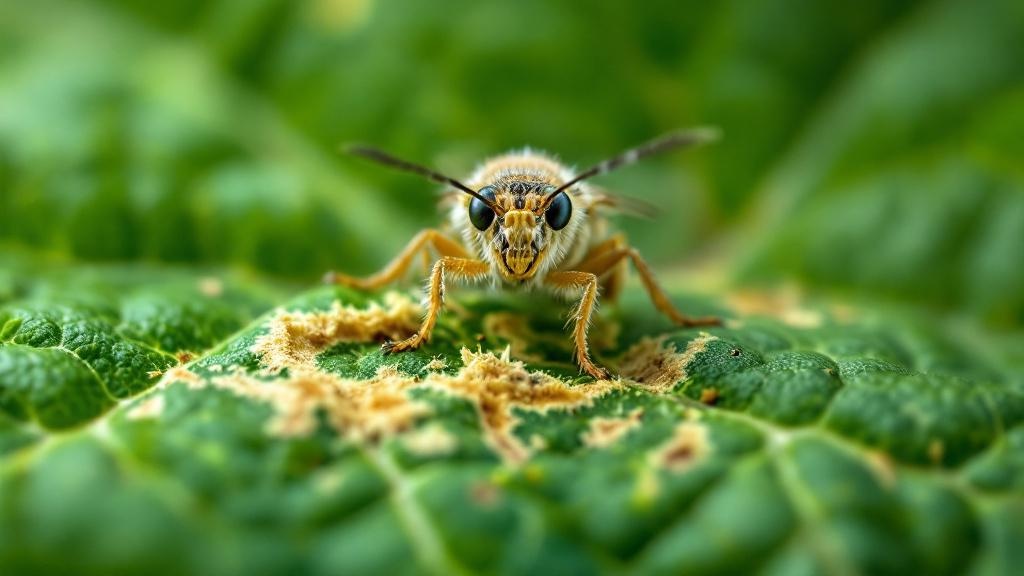
📖 Overview
Codling moth is a small caterpillar that tunnels into apples, pears, and walnuts, leaving behind a tell-tale entry hole surrounded by reddish-brown frass (insect droppings). The larva burrows deep into the fruit toward the seed cavity, making infected fruit unsuitable for sale or storage and often causing it to drop prematurely from the tree. In temperate regions across Central Europe and the UK, this is the single most damaging pest of commercial and backyard apple and pear orchards, capable of destroying 80 to 90 percent of a crop if left unmanaged.
The danger window runs from late May through August in most temperate climates, when the moth's two generations emerge and lay eggs on fruit. You'll spot the first damage signs—small entry holes with a rusty halo of droppings—appearing in June on early-ripening varieties, with a second wave of damage in August. The key to distinguishing codling moth damage from other fruit defects is the presence of that characteristic entry hole paired with a winding, excrement-filled tunnel leading inward; simple cracks or russetting won't show this pattern.
Successful management hinges on precise timing. Pheromone traps deployed from April onward help you identify exactly when adult moths are active in your garden, allowing you to time sprays or biological controls to catch eggs before they hatch. Without this monitoring step, many home gardeners either treat too early (wasting effort) or too late (missing the vulnerable caterpillar stage). Early-ripening apple and pear varieties are naturally less vulnerable because they mature and are harvested before the second generation of moths peaks in late summer.
🔍 How to identify
A gyümölcs felületén kis (2-3 mm) lyuk, körülötte vöröses-barna kakapálka. Belül kanyargós, ürülékkel teli járat a magház felé. Idő előtti gyümölcshullás. Vermes alma — minden 3. gyümölcs.
🌿 Common host plants
💊 Treatment
Feromon-csapda (időzítéshez), Bacillus thuringiensis kurstaki ÉS granulovirus (Madex). Trichogramma parazitoid kibocsátás virágzás után.
Spinosad (Spintor), indoxakarb (Steward), tebufenozid (Mimic) — a két nemzedék rajzáskor (május vége + július vége).
🛡️ Prevention
Feromon-monitor csapda kötelező az időzítéshez. Hullott gyümölcs azonnali eltávolítása. Hullámkartonos törzs-csapda augusztusban. Korai-érésű fajták (kevesebb támadás).
💡 Notes
A magyar alma- és körtetermesztés #1 kártevője. Megfelelő időzítés nélkül 80-90% kár lehet. NÉBIH-monitorozza országosan.
Frequently asked questions
How do I know when to spray or treat for codling moth?
Pheromone traps hung in your tree from mid-April will catch male moths, signaling the start of egg-laying; this is your cue to begin treatments. The first spray window is roughly 7 to 10 days after the first trap catch (late May in most years), and a second round follows 6 to 8 weeks later in late July or early August, targeting the second generation.
Can I save a tree that's already heavily infested, or do I need to cut it down?
Even a heavily infested tree can be rescued with proper management the following season. Remove all fallen fruit immediately this autumn, install a cardboard band trap around the trunk in August to catch overwintering larvae, and commit to the full spray and monitoring program next year; most home growers see 70 to 80 percent damage reduction by year two.
What's the safest organic option if I have young children or pets nearby?
Bacillus thuringiensis subspecies kurstaki (a naturally occurring soil bacterium) is the gentlest option, applied as a spray every 7 to 10 days during the egg-laying window. For higher certainty, combine it with codling moth granulovirus (marketed as Madex in some regions), which targets only this pest; both are non-toxic to mammals and break down in sunlight within days.
Does codling moth overwinter in my soil or on fallen leaves?
The larvae burrow out of dropped fruit in late summer and enter the soil to pupate, creating a protective cocoon under loose bark, in leaf litter, or in the top 2 to 5 centimeters of soil where they sleep through winter. This is why removing every fallen apple or pear immediately and installing cardboard band traps on the trunk in August are critical: they intercept larvae before they reach the ground.
Are resistant apple or pear varieties really worth planting?
Early-ripening varieties such as Gala, Sunrise, or some heritage types do experience fewer codling moth problems because they mature and are picked before peak egg-laying in late summer. However, no apple or pear variety is fully resistant, so even early varieties still need pheromone monitoring and at least one well-timed spray in June; resistant varieties simply reduce your workload rather than eliminate it.
Not sure what's wrong? Take a photo!
Plantora's AI Plant Doctor identifies the issue from a single photo in seconds and gives you a tailored treatment guide.
Try AI diagnosis (free) →