Rutabaga
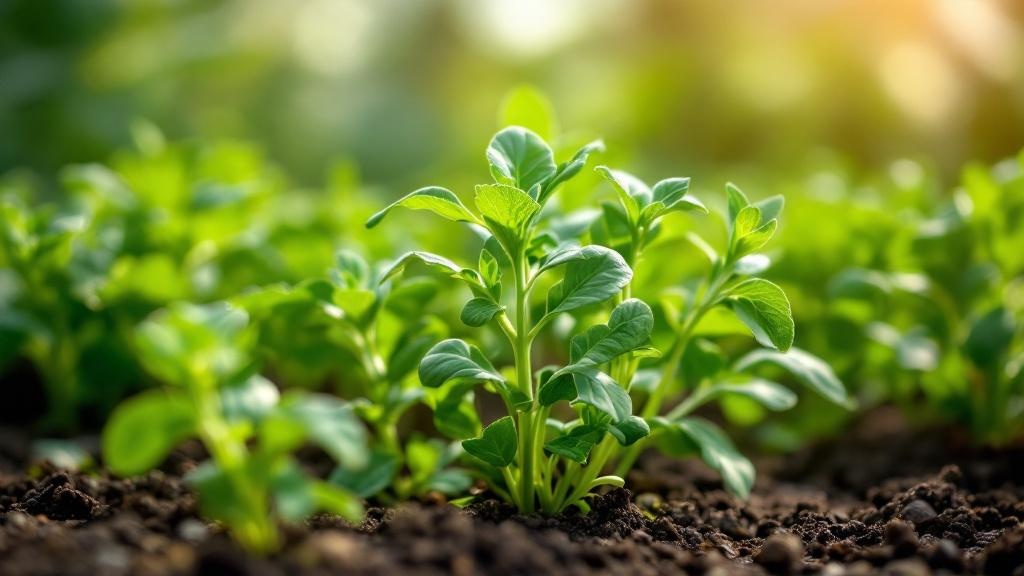
Rutabaga is one of the most rewarding root vegetables for temperate climate gardeners, offering sweet, earthy roots that improve in flavor after frost. The most common question home growers ask is when to plant rutabaga for the best harvest. Unlike its cousin the turnip, rutabaga needs a longer growing season of 90 to 100 days, making timing crucial. Plant in late spring for autumn harvest, and you will be rewarded with roots that store for months in your root cellar or refrigerator.
Watering Your Rutabaga for Sweet, Tender Roots
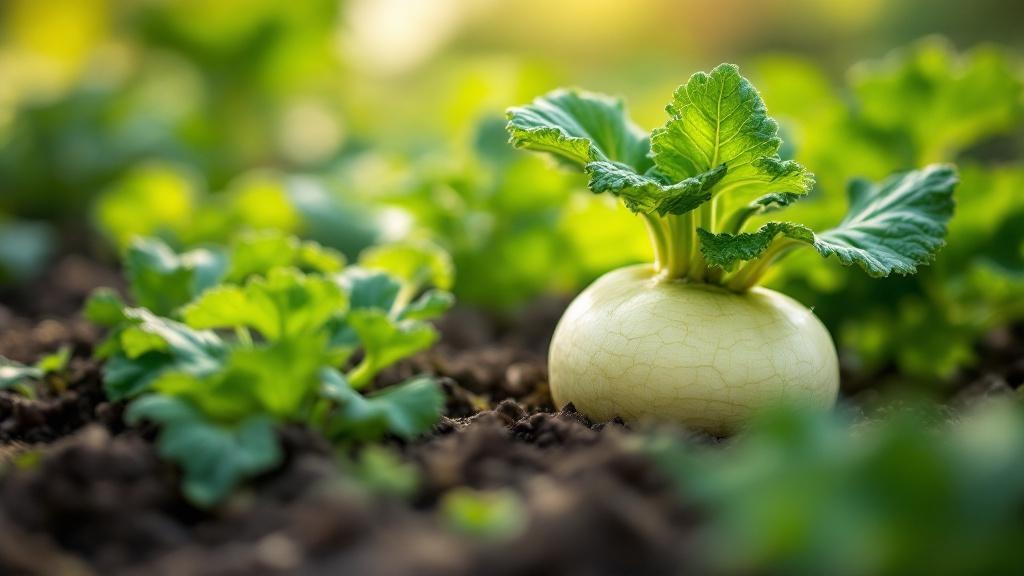
Rutabaga requires consistent moisture to develop smooth, sweet roots without becoming woody or cracked. Provide approximately 1 inch of water per week, either through rainfall or irrigation. Water deeply in the morning to allow foliage to dry before evening, reducing disease risk. Inconsistent watering causes bitter flavor and tough texture, so mulch with straw in July to maintain soil moisture during warm spells.
Light Requirements for Healthy Rutabaga Growth
Plant rutabaga in full sun for the best root development, though it tolerates partial shade in warmer zones. In Central European and Northern US gardens, choose a spot receiving at least 6 hours of direct sunlight daily. Light shade during hot August afternoons can actually benefit plants by keeping soil cooler. Avoid heavily shaded areas where root development will be stunted.
Soil Preparation and Planting Rutabaga
Rutabaga thrives in deep, loose, fertile soil with a pH between 6.0 and 7.0. Work the soil to a depth of 12 inches in late April, removing rocks and debris that cause forked roots. Incorporate aged compost before planting but avoid fresh manure, which promotes leafy growth over root development. Sow seeds directly in mid-May to early June for autumn harvest, thinning seedlings to 6 to 8 inches apart when they reach 2 inches tall.
Temperature and Climate Considerations
Rutabaga is remarkably cold-hardy and actually develops sweeter flavor after light frosts in October and November. Ideal growing temperatures range from 60 to 65 degrees Fahrenheit, though plants tolerate temperatures down to 20 degrees Fahrenheit. In zones 5 through 8, sow seeds 90 to 100 days before your first expected frost date, typically mid-May through early June. Avoid summer planting as heat causes bitter, woody roots.
Fertilizing for Maximum Root Development
Apply a balanced fertilizer such as 10-10-10 at planting time, working it into the top 4 inches of soil. Side-dress with a low-nitrogen fertilizer in mid-July to encourage root growth over foliage. Avoid excessive nitrogen after midsummer, which promotes leafy tops at the expense of root size. A light application of wood ash provides potassium and helps sweeten the roots.
Common Rutabaga Problems and Solutions
Clubroot is the most serious disease affecting rutabaga in temperate gardens, causing swollen, distorted roots. Prevent clubroot by rotating brassica crops every 4 years and maintaining soil pH above 7.0 with lime applications. Cabbage root fly larvae tunnel into roots from May through August, so cover plants with fine mesh netting immediately after sowing. Flea beetles create small holes in leaves during warm spells but rarely cause serious damage to established plants.
Frequently asked questions
When should I plant rutabaga in my garden?
Plant rutabaga seeds directly outdoors from mid-May to early June in temperate climates. This timing allows 90 to 100 days of growth before autumn frosts, which actually improve the flavor. Sow seeds half an inch deep and thin to 6 to 8 inches apart once seedlings emerge.
How do I know when rutabaga is ready to harvest?
Rutabaga is ready to harvest when roots reach 3 to 5 inches in diameter, typically in October or November. The shoulders of the root will push slightly above the soil surface when mature. Wait until after the first light frosts for the sweetest flavor, but harvest before the ground freezes solid.
Why are my rutabaga roots woody and bitter?
Woody, bitter rutabaga is usually caused by inconsistent watering or growing in temperatures above 75 degrees Fahrenheit. Hot weather and drought stress trigger the plant to develop tough, fibrous tissue with unpleasant flavor. Ensure consistent moisture and plant early enough to avoid peak summer heat.
How long can I store harvested rutabaga?
Properly stored rutabaga keeps for 4 to 6 months in a root cellar or refrigerator at 32 to 40 degrees Fahrenheit with high humidity. Remove the leafy tops, leaving about 1 inch of stem, and store unwashed in perforated plastic bags. Check monthly and remove any roots showing soft spots.
What is the difference between rutabaga and turnip?
Rutabaga has yellow flesh, a larger size, and a sweeter flavor than turnips, which have white flesh and mature faster. Rutabaga requires 90 to 100 days to mature compared to 30 to 60 days for turnips. Rutabaga also stores longer and develops better flavor after frost exposure.