Watermelon
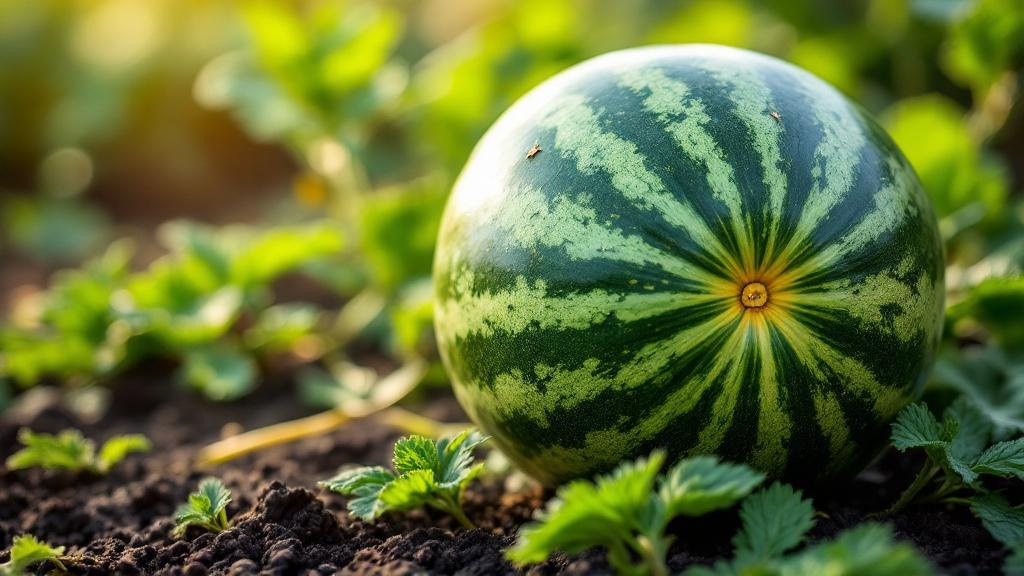
Nothing says summer quite like biting into a slice of homegrown watermelon. While this heat-loving fruit originates from Africa, gardeners in temperate climates can absolutely grow delicious melons with the right approach. The most common question growers ask is when to start seeds and how to extend the growing season in cooler regions. Success comes down to timing, warmth, and consistent moisture during the critical fruiting period.
Watering Your Watermelon Plants Correctly
Watermelons need consistent, deep watering rather than frequent shallow drinks. Provide 2-3 cm of water weekly, soaking the root zone thoroughly every 5-7 days during active growth. Reduce watering slightly in August as fruits ripen to concentrate sugars and prevent splitting. Always water at soil level in the morning to keep foliage dry and prevent fungal diseases.
Sunlight Requirements for Maximum Sweetness
Watermelons demand full sun with a minimum of 8 hours of direct sunlight daily. In temperate zones, choose your sunniest, most sheltered spot, ideally a south-facing position protected from wind. Insufficient light results in poor fruit development and bland flavor. Black plastic mulch can help warm the soil and reflect additional light onto lower leaves.
Soil Preparation and Planting
Prepare beds in late April by incorporating generous amounts of well-rotted compost or manure. Watermelons thrive in sandy loam with a pH of 6.0-6.8 and excellent drainage. Create raised mounds or hills about 30 cm high and 60 cm wide, spacing them 1.5-2 meters apart. Transplant seedlings outdoors only after late May when soil temperatures reach at least 18°C.
Temperature Management in Temperate Climates
Watermelons need soil temperatures above 18°C and air temperatures consistently above 21°C for vigorous growth. Start seeds indoors in mid-April, 3-4 weeks before last frost. Use black plastic mulch and cloches or fleece covers during cool May nights. In zones 5-6, consider growing shorter-season varieties like Sugar Baby that mature in 75-80 days.
Fertilizing for Abundant Fruit
Apply a balanced fertilizer (10-10-10) at planting, then switch to a low-nitrogen, high-phosphorus feed once flowers appear in late June. Over-fertilizing with nitrogen produces lush vines but few fruits. Side-dress with compost tea every 2-3 weeks during active growth. Stop fertilizing in early August to encourage ripening rather than new growth.
Common Problems and Solutions
Powdery mildew appears as white patches on leaves during humid August weather; improve air circulation and apply sulfur-based fungicide at first signs. Cucumber beetles can transmit bacterial wilt in early summer; use row covers until flowering begins and hand-pick adults. Blossom end rot indicates calcium deficiency or irregular watering; maintain consistent moisture and add lime to acidic soils.
Frequently asked questions
How often should I water watermelon plants?
Water watermelon plants deeply every 5-7 days, providing about 2-3 cm of water per week. During hot spells in July and August, you may need to water more frequently. Reduce watering as fruits approach ripeness to improve sweetness and prevent cracking.
Why are my watermelon leaves turning yellow?
Yellow watermelon leaves typically indicate overwatering, nitrogen deficiency, or pest damage. Check soil drainage first, as waterlogged roots cannot absorb nutrients properly. If drainage is adequate, apply a balanced liquid fertilizer and inspect leaf undersides for aphids or spider mites.
When is watermelon ready to harvest?
Watermelon is ready to harvest when the tendril nearest the fruit turns brown and dry, usually 35-45 days after pollination. The ground spot where the melon rests should change from white to creamy yellow. Knock on the fruit; a ripe melon produces a hollow, deep sound rather than a metallic ring.
Can I grow watermelon in the UK or Northern Europe?
Yes, you can grow watermelon in the UK and Northern Europe by choosing short-season varieties and using season-extending techniques. Start seeds indoors in mid-April, use black plastic mulch to warm soil, and protect young plants with fleece until June. Compact varieties like Sugar Baby mature in 75 days.
How much space does a watermelon plant need?
Each watermelon plant needs 1.5-2 meters of space in all directions for vines to spread properly. For smaller gardens, train vines vertically on sturdy trellises with fruit supported by mesh slings. Bush varieties like Bush Sugar Baby require only about 1 meter of space.