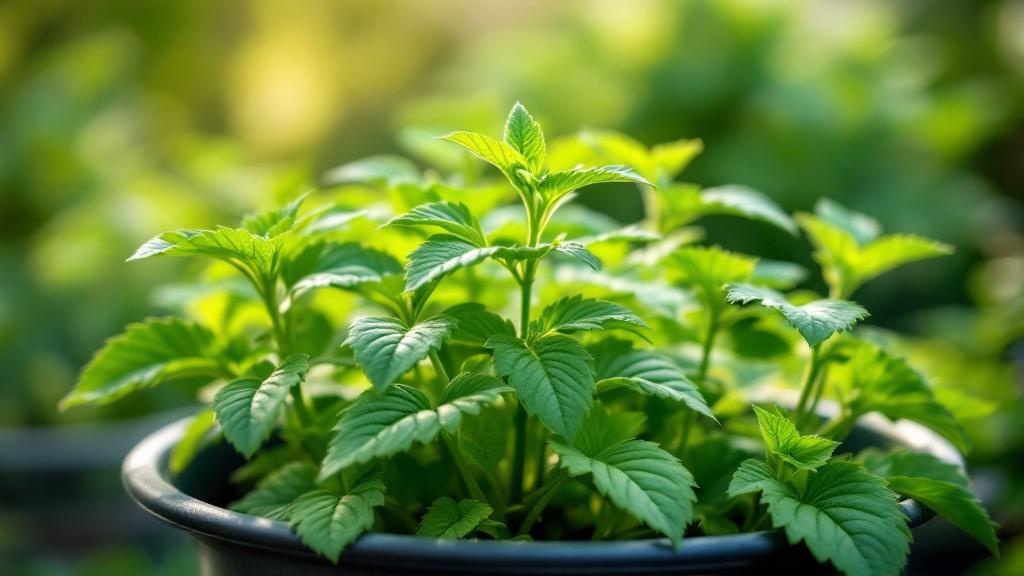
Horsetail
Horsetail is a unique, ancient plant with distinctive segmented green stems that add architectural interest to gardens and bog setups. Many gardeners struggle with horsetail's aggressive spread, making containment the most critical care question. In temperate climates (zones 5-8), horsetail grows vigorously during spring and summer, then dies back in winter. Whether you want it as a specimen plant or water garden feature, understanding its invasive nature and how to manage it is essential for success.
Watering Horsetail Correctly
Horsetail demands consistently moist soil and actually thrives in waterlogged conditions, unlike most houseplants. In temperate gardens, natural rainfall often provides enough moisture during spring and summer, but water deeply every 7-10 days if rainfall is scarce. During winter dormancy (November-February), the plant dies back completely, so reduce watering, though container soil should not dry out entirely. If growing indoors, maintain soil moisture year-round but ensure good drainage in the pot to prevent root rot.
Light Requirements for Horsetail
Horsetail grows best in full sun to partial shade, needing at least 4-6 hours of direct sunlight daily to maintain vibrant green color and upright growth. In temperate zones, morning sun followed by afternoon dappling works well, especially in zones 7-8 where intense summer heat can stress the plant. Indoors, place near a bright, east or west-facing window. Insufficient light causes weak, sprawling stems and poor overall vigor.
Soil and Containment Essentials
Horsetail must be grown in containers or heavily contained beds because the rhizomes spread invasively through garden soil, making it nearly impossible to eradicate once established. Use a large pot (minimum 30cm diameter) with a solid bottom and sides to prevent rhizome escape. Fill with a mix of loamy garden soil, sand, and peat moss (or coco coir) to mimic its natural boggy habitat. Repot in early spring (late March to April) every 2-3 years when growth slows, dividing overcrowded clumps if desired.
Temperature and Humidity Management
Horsetail is extremely cold-hardy and thrives in temperate climates (zones 5-8), dying back to the ground each winter and resprouting in spring. It tolerates winter temperatures down to -20C without protection. Humidity is less critical than consistent moisture, but the plant benefits from the humid microclimate created by boggy, water-rich soil. Indoors, misting helps in dry central heating environments, especially in winter months (December-February).
Feeding and Fertilizing Horsetail
Horsetail is not a heavy feeder and often grows vigorously in poor, sandy, or boggy soils where other plants struggle. A light application of balanced, diluted liquid fertilizer (such as 5-5-5 NPK) in late May once growth is established is usually sufficient. Avoid high-nitrogen feeds, which encourage excessive stem production and weakening. If grown in containers, apply fertilizer every 4-6 weeks during the active growing season (April-August), then stop through autumn and winter dormancy.
Common Problems and Solutions
Horsetail is remarkably pest and disease-resistant, but in temperate regions, slugs and snails may damage young stems in spring; handpick or use organic slug barriers. Rust fungus occasionally appears in very humid conditions with poor air circulation—remove affected stems and improve ventilation. The most common problem is uncontrolled spreading in open garden beds; always grow in rigid containers with no drainage holes at the base to prevent rhizome escape into surrounding soil.
Frequently asked questions
How often should I water horsetail plants?
Water horsetail every 7-10 days during spring and summer growing season (March-August) in temperate climates, keeping soil consistently moist. In autumn and winter (September-February), when the plant is dormant or dying back, reduce watering but never let soil dry completely. If grown in containers outdoors, natural rainfall usually provides sufficient moisture.
Can horsetail be grown indoors?
Yes, horsetail can be grown indoors in bright conditions near a window receiving 4-6 hours of direct light daily. Keep soil consistently moist year-round indoors and ensure good air circulation to prevent fungal issues. However, it prefers outdoor boggy conditions and is best suited to garden borders or water features rather than long-term indoor cultivation.
Why is my horsetail plant turning brown?
Brown stems in horsetail are usually a sign of natural autumn senescence (September-October), when the plant begins dormancy and dies back completely—this is normal and healthy in temperate zones. If browning occurs in spring or summer, check for underwatering, poor drainage, or rust fungus; improve moisture levels and remove affected stems with pruners.
Is horsetail invasive and how do I contain it?
Yes, horsetail is extremely invasive in open garden beds because underground rhizomes spread rapidly and are nearly impossible to eradicate once established. Always grow horsetail in large rigid containers (minimum 30cm diameter) with a solid bottom and drainage holes only in the pot, not in the base. This prevents rhizomes from escaping into surrounding soil while maintaining the moist conditions it needs.
When does horsetail grow and when does it go dormant?
In temperate climates (zones 5-8), horsetail actively grows from late March through August, with peak vigor in May-July. The plant gradually dies back in September-October as temperatures drop and daylight shortens, remaining dormant underground through winter (November-February). New shoots emerge again in late March as soil temperatures rise above 10C.