Arrowhead Vine
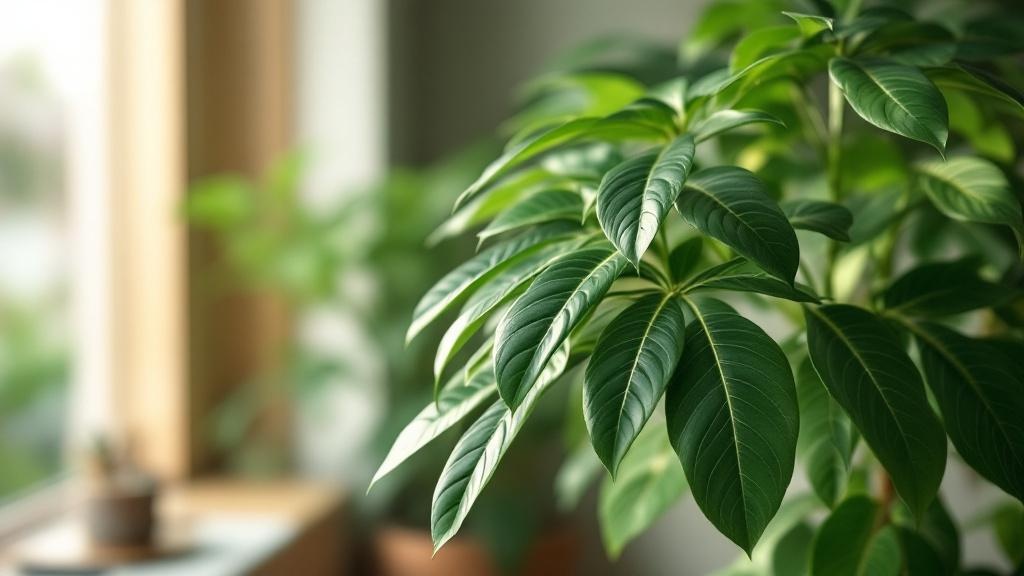
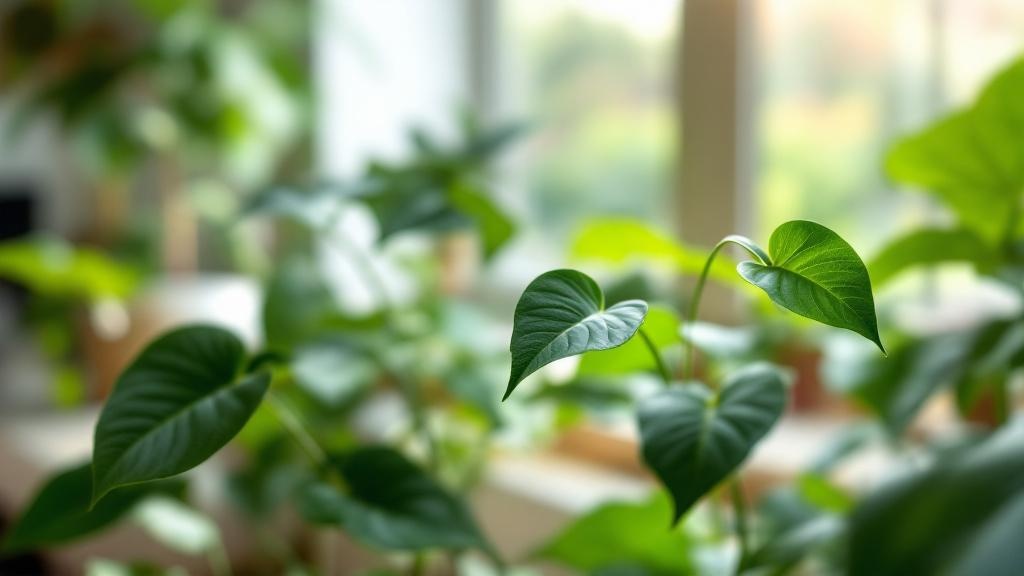
Arrowhead Vine is one of the most forgiving houseplants for temperate homes, prized for its distinctive arrow-shaped leaves and vigorous growth habit. Whether you're new to houseplants or expanding your collection, this climber answers the question most plant parents ask: how do I keep something alive without constant fussing? The answer is simpler than you think.
Watering Your Arrowhead Vine
Water every 7-10 days during the growing season (spring and summer) when the top inch of soil feels dry to the touch. In autumn and winter, reduce watering to every 10-14 days as growth slows and evaporation decreases. Use room-temperature water and ensure pots have drainage holes to prevent root rot. Overwatering is the leading cause of decline in Arrowhead Vine, so err on the side of slightly dry rather than soggy.
Light Requirements for Optimal Growth
Place your Arrowhead Vine in bright, indirect light for best foliage color and shape retention. It tolerates lower light conditions better than many houseplants, making it suitable for offices or corners away from windows. Avoid direct sun, which can scorch leaves, especially in summer. If new growth becomes sparse or pale, gradually move the plant closer to a light source—it's signaling it needs more illumination.
Soil and Repotting
Use a lightweight, well-draining potting mix—a blend of peat moss, coco coir, and perlite or orchid bark works well. Repot in spring every 12-18 months, or when roots emerge from drainage holes or growth slows noticeably. A pot only slightly larger than the current one prevents excess moisture retention. Arrowhead Vine prefers snug conditions, so resist the urge to pot up too aggressively.
Temperature and Humidity
Arrowhead Vine thrives in temperatures between 60-75°F (16-24°C) and dislikes drafts from windows, heaters, or air conditioning units in temperate climates. Maintain moderate to high humidity—mist the foliage weekly or place the pot on a pebble tray with water to increase moisture around the plant. Low humidity may invite spider mites, a common issue in heated homes during European winters. Grouping plants together also helps raise local humidity.
Fertilizing for Vigorous Growth
Feed with a balanced, diluted liquid fertilizer (e.g., 10-10-10) every 3-4 weeks from March to September during the active growing season. Reduce or stop fertilizing from October onwards as growth slows in temperate regions. Over-fertilizing causes salt buildup in soil, leading to brown leaf tips and stunted growth. A light application is safer than a heavy one—Arrowhead Vine is not a heavy feeder.
Common Problems and Solutions
Yellow or translucent leaves typically signal overwatering and root rot; allow soil to dry out and repot if roots smell musty. Spider mites (common in dry winters) create fine webbing on undersides of leaves; increase humidity and rinse foliage weekly with water, or apply horticultural oil if severe. Brown leaf tips usually indicate low humidity or fluoride in tap water; use filtered water or let tap water sit overnight before watering.
Frequently asked questions
How often should I water my Arrowhead Vine?
Water every 7-10 days in spring and summer when the top inch of soil is dry, and every 10-14 days in autumn and winter. Always check soil moisture before watering—Arrowhead Vine prefers slightly underwatered to waterlogged conditions.
Can Arrowhead Vine grow in low light?
Yes, Arrowhead Vine tolerates lower light better than most houseplants and can survive in offices or shaded corners. However, it grows faster and develops better leaf color in bright, indirect light; consider moving it gradually to a brighter spot if you notice sparse growth.
Is Arrowhead Vine toxic to cats and dogs?
Yes, Arrowhead Vine is mildly toxic to cats and dogs and contains calcium oxalate crystals that cause mouth irritation and drooling if ingested. Keep the plant out of reach of pets, or supervise placement carefully, and contact a vet if ingestion occurs.
How do I propagate Arrowhead Vine?
Cut 4-6 inch stem segments just below a node in spring or early summer, remove lower leaves, and place in water or moist soil. Roots typically appear within 2-3 weeks; once established, transfer to soil. Arrowhead Vine propagates readily and is ideal for sharing with friends.
Why are my Arrowhead Vine leaves turning yellow?
Yellow leaves are most often caused by overwatering and root rot. Reduce watering, improve drainage, and repot if the soil smells musty. Less commonly, yellowing may signal nutrient deficiency; fertilize lightly in spring if the plant is pot-bound.