Apricot
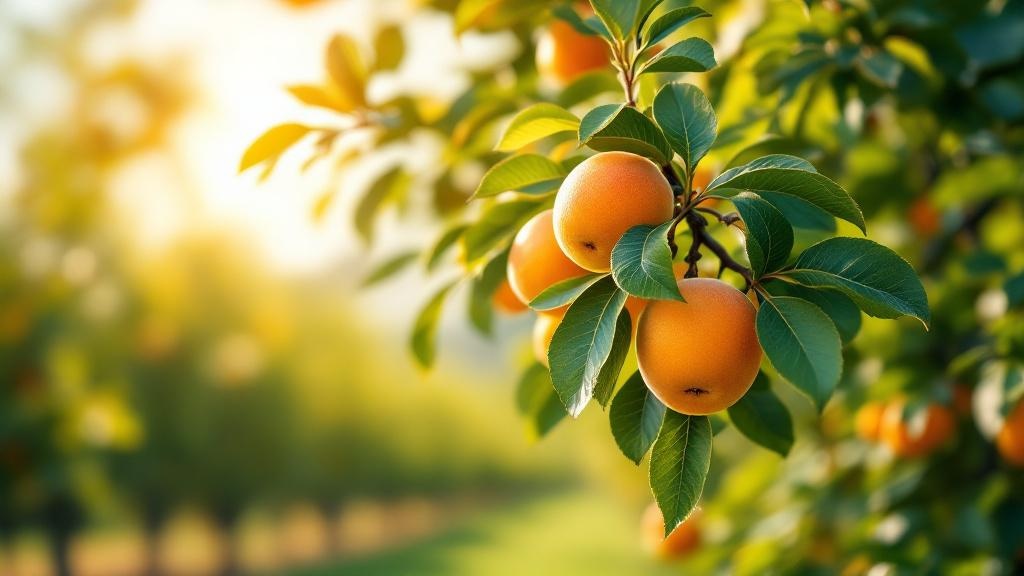
Apricot trees are beloved by gardeners in temperate climates for their stunning spring blossoms and sweet, golden fruit. Growing apricots successfully depends on choosing a chilling-compatible variety, ensuring excellent drainage, and managing late spring frosts that can damage emerging flowers. With the right care, a single tree can produce 20-40 kg of fruit annually.
Watering Your Apricot Tree
Young apricot trees need consistent moisture during their first two growing seasons—water deeply every 7-10 days when rainfall is scarce, especially in April through August. Established trees are moderately drought-tolerant but produce better fruit with regular watering during flowering and fruit development. In winter (November–February), reduce watering significantly; the tree enters dormancy and needs far less moisture. Always ensure water drains freely—waterlogged soil causes root rot, the most common cause of apricot tree failure in temperate gardens.
Light Requirements for Apricots
Apricot trees demand full sun with at least 6–8 hours of direct daily light to set abundant fruit and develop good sugar content. In Central Europe and northern temperate zones, a south or southwest-facing position is ideal; avoid north-facing walls or shaded spots under larger trees. Insufficient light leads to fewer flowers, reduced fruit set, and higher susceptibility to fungal diseases. If your garden is partly shaded, prioritize a spot that captures morning sun to dry morning dew and reduce powdery mildew risk.
Soil and Repotting for Apricots
Plant apricots in well-draining soil with a pH of 7.0–7.5 (neutral to slightly alkaline). Avoid heavy clay or waterlogged sites; amend poor soil with coarse sand and mature compost before planting. Apricots are not container plants in the long term, but young trees can be grown in large pots (50+ liters) for the first 2–3 years before transplanting. Once in the ground, apricots rarely need repotting; instead, mulch around the base with 5 cm of organic matter each spring to improve soil structure.
Temperature and Humidity for Apricots
Apricot trees are winter-hardy in USDA zones 5–8 (down to -20°C) but require 600–900 chill hours below 7°C between November and February to set fruit properly. Late spring frosts (April–May) are the greatest threat; they kill open flowers and developing fruit, causing total crop loss in severe years. In humid regions, ensure good air circulation around the canopy to reduce fungal diseases like brown rot and powdery mildew. Moderate humidity (40–60%) is ideal; very dry air can stress trees and reduce fruit quality.
Fertilizing Your Apricot Tree
In early spring (late February–March), apply a balanced fertilizer such as 10-10-10 or a fruit-tree specific blend according to package directions. Avoid excess nitrogen, which promotes leafy growth at the expense of fruit and weakens disease resistance. Once fruit begins to swell (June), switch to a lower-nitrogen, higher-potassium formula to support ripening. Mature trees rarely need feeding if mulch is maintained; use a soil test every 2–3 years to confirm nutrient levels. Organic growers can use blood meal in spring and wood ash in early summer.
Common Problems and Solutions
Brown rot (Monilinia) is the most serious disease in humid temperate climates; it causes fruit to mummify and branches to die back. Control it by pruning out infected wood, thinning fruit to improve air flow, and removing fallen fruit. Powdery mildew appears as a white coating on leaves in summer; spray with sulfur or neem oil at 10-day intervals starting in June. Aphids and codling moths are common pests; use organic insecticidal soap or deploy pheromone traps for moths in May–June.
Frequently asked questions
How often should I water my apricot tree?
Water deeply every 7–10 days during the growing season (April–September) when rainfall is below 25 mm per week. Once established, apricots are fairly drought-tolerant but need regular watering during flowering and fruit development for the best harvest. In winter, reduce watering drastically as the tree is dormant.
Why did my apricot tree produce no fruit this year?
The most common cause is late spring frost killing the flowers; apricot blossoms are extremely frost-sensitive and can be destroyed at -2°C or below in April–May. Other causes include insufficient chill hours (choose a variety suited to your zone), poor pollination (apricots are partially self-fertile but produce more fruit with cross-pollination), or excessive nitrogen fertilizer promoting leaf growth over flowering.
When do apricot trees flower and fruit?
In temperate climates (USDA zones 5–8), apricots flower in March–April and ripen in June–July, depending on variety and local warmth. Early varieties like Moorpark ripen in June, while late varieties like Fotergill's Golden ripen into July. Fruit takes about 80–100 days to mature from flower to full sweetness.
How do I prevent brown rot on my apricots?
Thin fruit to 10 cm spacing in June to improve air circulation, remove any infected fruit immediately, prune out dead wood in winter, and rake up fallen fruit. In years with high humidity and warm springs, apply preventative sulfur sprays starting at pink bud stage (late February) and continue every 10 days until harvest.
What variety of apricot is best for Central Europe?
Choose cold-hardy varieties with moderate to high chill-hour requirements: Moorpark (excellent flavor, 900 hours), Fotergill's Golden (large fruit, 850 hours), or Hungarian Best (reliable cropper, 700 hours). Avoid ultra-low-chill varieties bred for warm zones; they flower too early and suffer frost damage in temperate springs.
🩺 Common diseases and pests
These problems commonly affect this plant. Click any to see full symptom descriptions, organic and chemical treatment, and prevention.