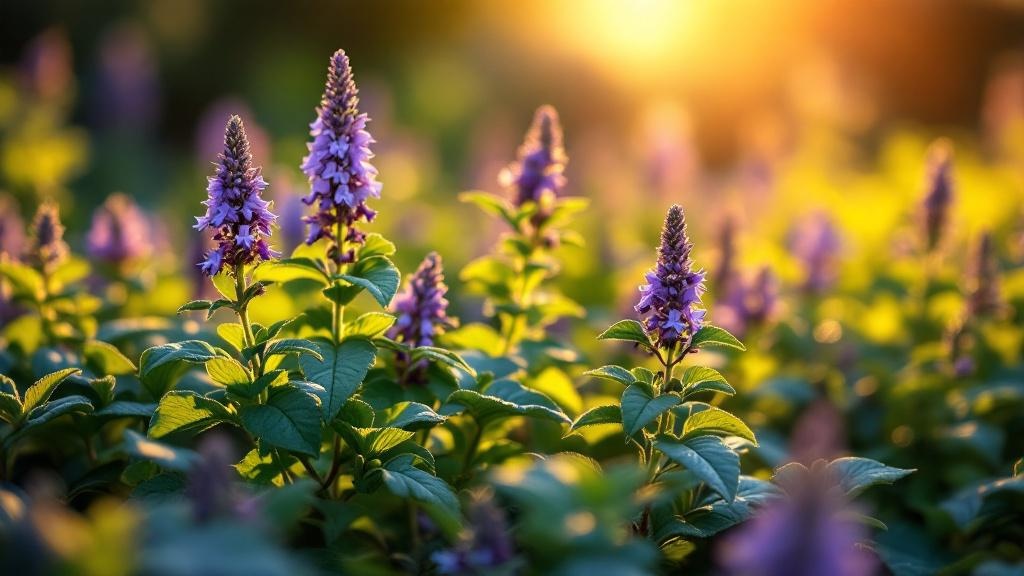
Stinging Nettle
Stinging nettle may seem like an unlikely garden plant, but this vigorous perennial has been valued for centuries as a nutrient-rich food, natural fertilizer, and herbal remedy. The most common question gardeners ask is whether nettle is worth growing intentionally and how to handle it safely. Once you understand its benefits and simple care needs, you will find nettle to be one of the most rewarding and low-maintenance herbs in your garden.
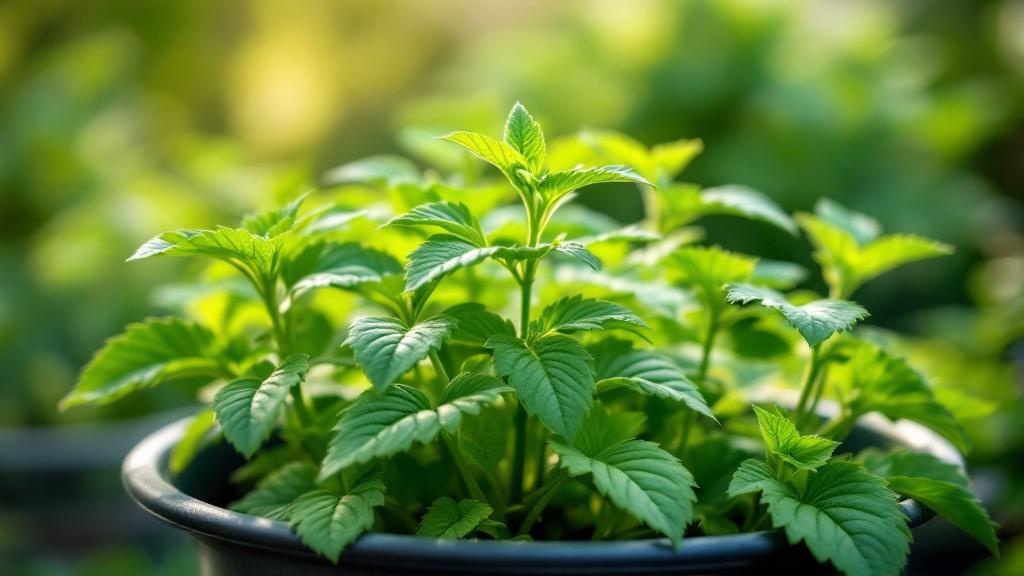
Watering Your Stinging Nettle
Water young nettle plants weekly during their first growing season to establish strong roots. Once established, stinging nettle rarely needs supplemental watering in temperate climates as it thrives in naturally moist conditions. During prolonged dry spells in July and August, water deeply once every 10-14 days. Nettle growing in sunnier spots will need more frequent watering than those in partial shade.
Light Requirements for Healthy Growth
Stinging nettle is highly adaptable but performs best in partial shade to dappled sunlight. In temperate regions, a spot receiving 4-6 hours of morning sun with afternoon shade produces the most tender leaves for harvesting. Full sun is tolerated if soil remains consistently moist. Avoid deep shade, which leads to leggy growth and reduced leaf production.
Soil and Planting Stinging Nettle
Nettle thrives in rich, moist soil with high nitrogen content, often found near compost areas or where animals have grazed. Plant seeds or root divisions in early April when soil temperature reaches 10C. Space plants 30-40cm apart as they spread vigorously through underground rhizomes. Consider planting in a contained bed or using root barriers to prevent unwanted spreading throughout your garden.
Temperature and Climate Considerations
Stinging nettle is exceptionally cold-hardy, surviving winters down to minus 20C without protection. New growth emerges in late March as soil warms, and plants die back after the first hard frost in October or November. In temperate climates, nettle requires no winter protection. Summer heat above 30C may cause temporary wilting, but plants recover quickly with evening watering.
Fertilizing Your Nettle Patch
Established nettle rarely needs fertilizing as it efficiently extracts nutrients from the soil. For more vigorous spring growth, apply a 5cm layer of compost or well-rotted manure around plants in late February before new shoots emerge. Avoid high-nitrogen synthetic fertilizers, which can cause excessive soft growth. Ironically, nettle itself makes excellent fertilizer when steeped in water for 2-3 weeks.
Common Problems and Solutions
Aphids frequently colonize nettle tips in May and June, though this rarely harms established plants and actually attracts beneficial ladybirds to your garden. Powdery mildew may appear in late summer during humid conditions; improve air circulation by thinning dense patches. Nettle rust fungus shows as orange pustules on leaves and is best managed by removing affected foliage and avoiding overhead watering.
Frequently asked questions
Is stinging nettle safe to grow in a garden with children?
Stinging nettle can be grown safely with proper placement and education. Plant it in a dedicated area away from play spaces and pathways, clearly marking the bed. The sting causes temporary discomfort lasting 30 minutes to a few hours but poses no serious health risk.
When is the best time to harvest stinging nettle?
Harvest nettle in April and May before the plant flowers, when leaves are most tender and nutritious. Cut the top 10-15cm of growth using thick gloves and long sleeves. You can get a second harvest in late summer if you cut plants back hard in June, stimulating fresh growth.
How do I stop stinging nettle from spreading everywhere?
Install root barriers at least 30cm deep around your nettle patch to contain the spreading rhizomes. Alternatively, grow nettle in large containers or raised beds with solid bottoms. Regular harvesting also helps control spread by reducing the plant's energy for root expansion.
Does cooking remove the sting from nettle leaves?
Yes, cooking completely neutralizes nettle's stinging hairs within seconds of contact with heat or boiling water. Blanching for just 30 seconds, steaming, or sauteing makes nettle completely safe to eat. Drying the leaves thoroughly also eliminates the sting.
Why are my stinging nettle leaves turning yellow?
Yellow nettle leaves typically indicate either waterlogged soil or nutrient deficiency. Check drainage and reduce watering if soil stays soggy. If drainage is adequate, apply compost around the base as older patches may have depleted available soil nitrogen over several seasons.