Tomato
Tomatoes are the most rewarding vegetable to grow in temperate gardens, but success depends on proper watering, support, and pest management. Whether you're growing bush varieties in pots or indeterminate types on stakes, understanding your local growing season and common regional pests will transform your harvest from mediocre to exceptional.
Watering Your Tomatoes Consistently
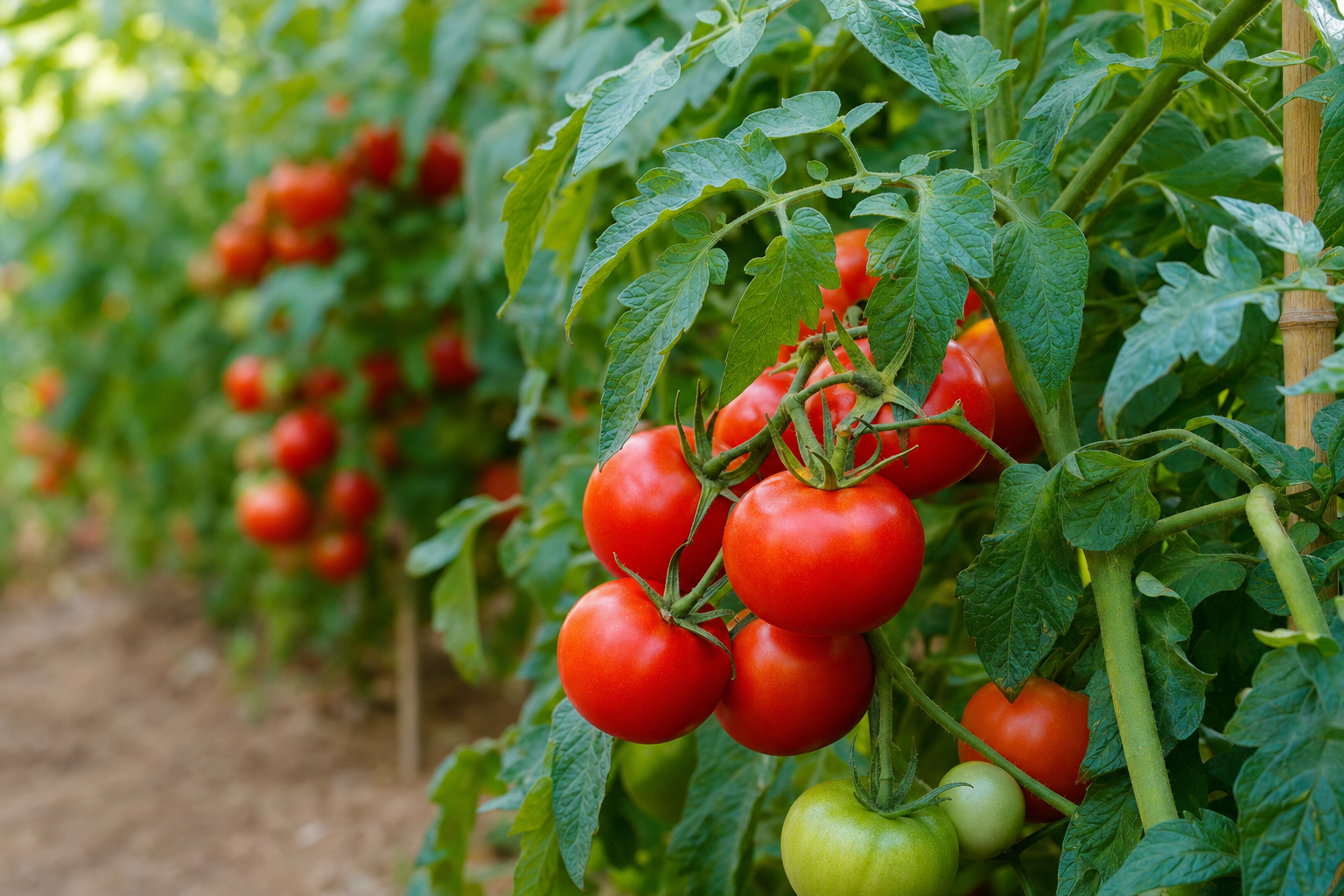
Tomatoes need deep, consistent watering—aim for 2-3 inches per week from May through September in temperate zones. Water at the base early in the morning to reduce fungal diseases like late blight, which thrives in wet foliage. During hot spells or heavy fruiting, daily watering may be necessary; use mulch (5cm straw or bark) to retain soil moisture and regulate temperature. Inconsistent watering causes split fruit and blossom-end rot, so maintain even soil moisture rather than alternating between wet and dry.
Providing Abundant Sunlight
Tomatoes require a minimum of 6-8 hours of direct sunlight daily; 10+ hours is ideal for flavor development and disease resistance. In temperate climates, south or southwest-facing sites are best. If growing indoors or in containers, ensure they receive unobstructed morning sun to help dry dew and prevent fungal issues. Insufficient light reduces flowering, delays ripening, and weakens disease resistance—especially important in regions with shorter growing seasons.
Soil Preparation and Container Growing
Use rich, well-draining compost or garden soil amended with aged manure or compost—tomatoes are heavy feeders. Soil pH should be 6.0-6.8 for optimal nutrient uptake. For container growing (common in temperate zones), use pots at least 20-25 liters for determinate varieties and 30+ liters for indeterminate types. Refresh or amend soil annually to prevent disease carryover and nutrient depletion.
Temperature Management and Season Timing
Tomatoes thrive between 18-25°C; growth slows below 15°C and stops entirely below 10°C. In USDA zones 5-8, sow indoors in late February to March and transplant outdoors after the last frost (typically late April to May). In September, as temperatures drop below 15°C at night, cover plants with cloches or harvest green tomatoes to ripen indoors. High humidity above 30°C can reduce pollination; ensure airflow around plants.
Feeding for Maximum Fruit Production
Once flowering begins, feed every 10-14 days with a tomato-specific or balanced fertilizer (such as 5-10-10 NPK). Excess nitrogen delays fruiting and increases disease susceptibility, so avoid high-nitrogen formulas. Calcium supplementation (crushed eggshells or tomato fertilizer containing calcium) prevents blossom-end rot. Reduce fertilizing in August to encourage ripening rather than excessive foliage growth.
Common Tomato Problems and Solutions
Late blight (Phytophthora infestans) is the most serious disease in wet temperate climates—prevent it with good airflow, water at the base, and remove lower leaves. Early blight (brown spots with concentric rings) appears mid-season; remove affected leaves and apply copper fungicide. Whiteflies and spider mites are common in warm spells; use insecticidal soap or neem oil weekly as needed. Always remove diseased foliage promptly to prevent spread.
Frequently asked questions
How often should I water tomato plants?
Water deeply 2-3 times weekly, aiming for 2-3 inches total per week from May to September, or daily during hot spells or when fruit is heavy. Always water at the base in early morning to keep foliage dry and reduce fungal disease risk.
Why are my tomato leaves turning yellow?
Yellow leaves usually indicate either overwatering (causing root stress), nutrient deficiency (especially nitrogen), or early blight disease (shows brown rings). Check soil moisture first; if soggy, improve drainage. If leaves yellow progressively from the bottom up with brown spots, it's early blight—remove affected leaves and apply fungicide.
When can I plant tomatoes outdoors in a temperate climate?
Wait until after the last frost date, typically late April to mid-May in USDA zones 5-8. Soil should be at least 15°C and night temperatures consistently above 10°C. Starting seeds indoors in late February gives you 8-10 week seedlings ready to transplant when weather warms.
How do I prevent late blight on my tomatoes?
Late blight thrives in wet, cool conditions (below 20°C with rain or high humidity). Water only at the base early in the morning, remove lower leaves to improve airflow, space plants 45-60cm apart, and mulch to reduce soil splash. In wet seasons, apply copper fungicide preventatively every 7-10 days from June onward.
Why aren't my tomatoes producing flowers or fruit?
Insufficient sunlight (less than 6 hours daily) is the most common cause, along with high nitrogen fertilizer promoting foliage over flowers. Ensure plants get 8+ hours of direct sun, use balanced or low-nitrogen fertilizer once flowering starts, and maintain consistent watering. Temperatures below 15°C or above 30°C also inhibit fruit set.
🩺 Common diseases and pests
These problems commonly affect this plant. Click any to see full symptom descriptions, organic and chemical treatment, and prevention.