Garlic
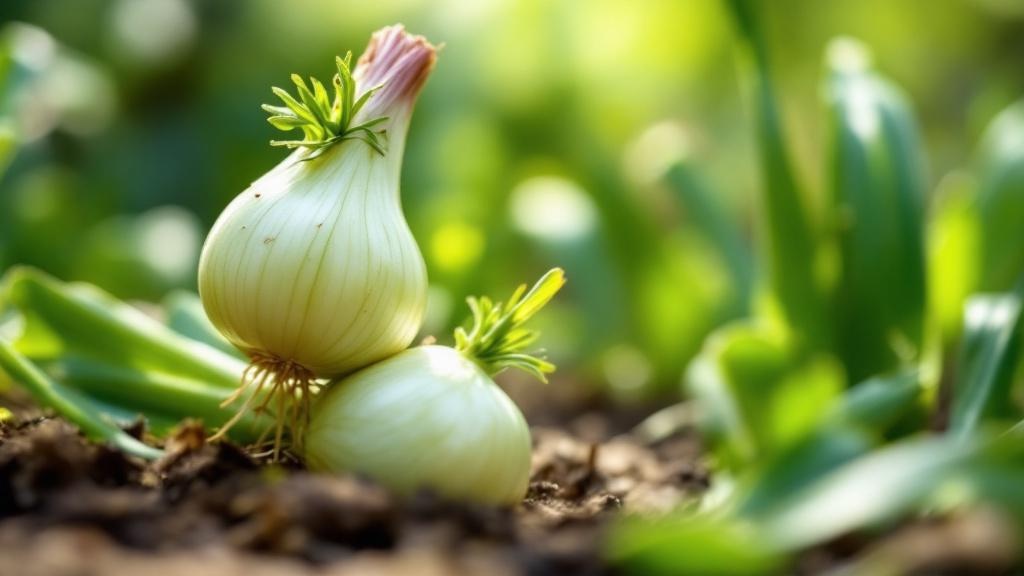
Garlic is one of the most rewarding crops for home gardeners in temperate climates. Unlike many vegetables, garlic requires surprisingly little maintenance once established, making it perfect for beginners. The biggest question most growers ask: when exactly should I plant cloves, and how do I know when they're ready to harvest? This guide covers everything from autumn planting through summer harvest.
Planting and Seasonal Timing
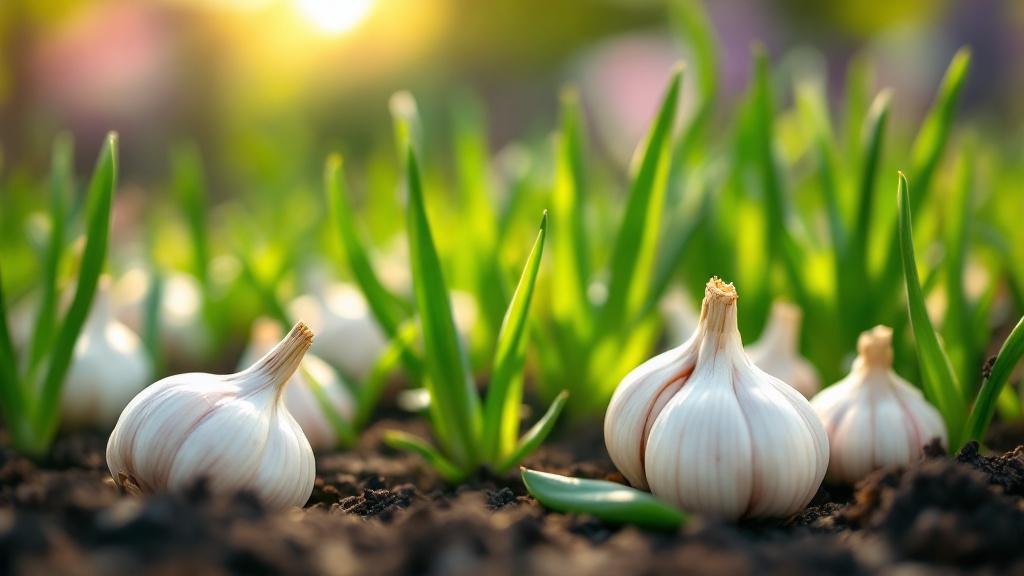
In temperate regions (USDA zones 5-8), garlic must be planted in autumn between late September and November to vernalize properly. Separate bulbs into individual cloves and plant pointy-end-up about 5 cm deep, 15 cm apart, in rows 30 cm apart. The cold winter dormancy is essential for bulb development. Mulch with 5-10 cm of straw or leaf litter in December to protect cloves from frost heave and suppress spring weeds.
Watering During Growth Season
Water moderately during spring and early summer as shoots emerge and bulbs expand. Aim for about 2-3 cm of water per week (including rainfall) from March through May. Reduce watering significantly from June onward as plants enter the pre-harvest maturation phase. Overwatering in late season promotes disease and splits bulbs. In dry springs, irrigate weekly; in wet years, let rainfall do the work.
Light and Site Selection
Garlic needs full sun for at least 6 hours daily to develop large, well-formed bulbs. Choose a south-facing bed or location with unobstructed daylight. Partial shade reduces bulb size and increases susceptibility to fungal diseases common in temperate climates. A dedicated garlic bed ensures you can manage soil amendments and crop rotation effectively.
Soil Preparation and Fertility
Prepare beds with rich, well-draining soil amended with 5-8 cm of compost or aged manure before planting in autumn. Garlic prefers slightly acidic to neutral pH (6.0-7.0). In spring, apply a balanced fertilizer (10-10-10) or side-dress with compost in late March as shoots green up. Avoid excessive nitrogen late in the season, which delays maturity and reduces storage life.
Harvesting and Curing
Harvest in early to mid-July when the lower leaves turn brown and dry but the upper leaves remain green. Dig carefully to avoid bruising bulbs. Cure garlic in a warm, dry, well-ventilated space (ideally 20-25°C) for 2-4 weeks until the outer skin papery and roots completely dry. Trim roots and stems once cured, and store in a cool, dark place (10-15°C) for 6-8 months.
Common Pests and Diseases
White rot (a soil-borne fungus) is the most serious threat in cool, wet temperate springs; rotate garlic beds annually and avoid replanting the same soil for 4-5 years. Onion flies occasionally damage bulbs in late spring; mulch heavily to deter egg-laying. Downy mildew appears in humid years; improve air circulation and avoid overhead watering. Inspect cloves before planting to exclude diseased stock.
Frequently asked questions
When should I plant garlic in temperate climates?
Plant garlic cloves from late September through November in zones 5-8. The cold winter period is essential for bulb development. If you miss the autumn window, spring planting yields small bulbs.
How do I know when garlic is ready to harvest?
Garlic is ready in early to mid-July when the lower 2-3 leaves turn brown and dry but the upper leaves are still green. Once all leaves brown, the bulb has begun to split internally. Harvest slightly early rather than late for best storage.
Why are my garlic leaves turning yellow in spring?
Yellowing leaves in spring usually indicate nitrogen deficiency as plants resume growth. Apply a balanced fertilizer or compost side-dressing in late March. If yellowing appears in late spring combined with a strong smell, white rot fungus may be present—remove and destroy affected plants and avoid replanting in that soil.
How often should I water garlic?
Water garlic once or twice weekly during spring growth (March-May) to keep soil consistently moist but not waterlogged. From June onward, reduce watering dramatically as bulbs mature. Aim for 2-3 cm total water (rain plus irrigation) per week during the growing season.
Can I save garlic bulbs from this year's harvest to plant next season?
Yes, absolutely. Select the largest, unblemished bulbs from your harvest, cure them fully, and store in a cool, dark place until planting time. Use only cloves from healthy bulbs to minimize disease spread. Save garlic also adapts over time to your local climate, improving yields year after year.
🩺 Common diseases and pests
These problems commonly affect this plant. Click any to see full symptom descriptions, organic and chemical treatment, and prevention.