Late blight
📖 Overview
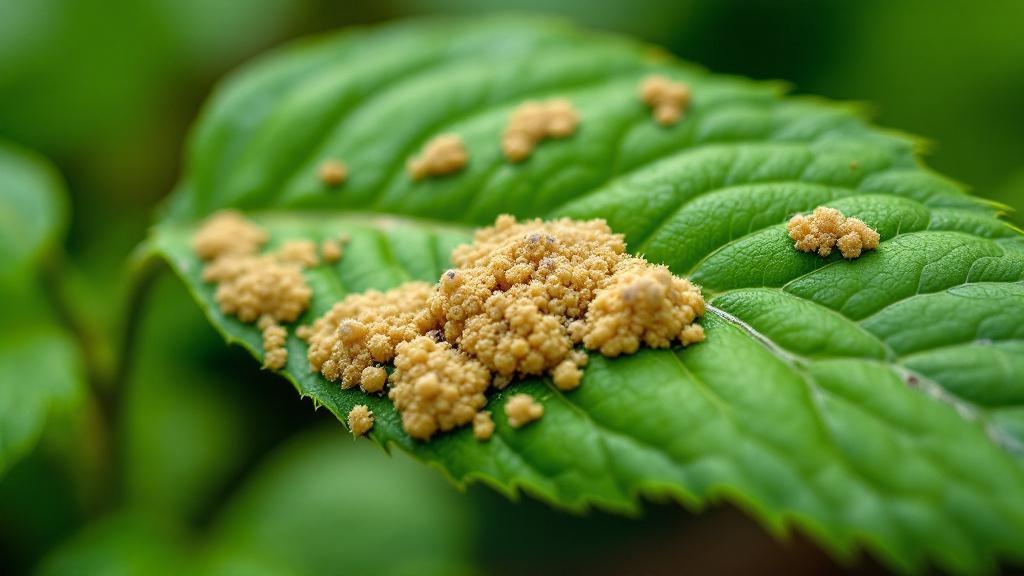
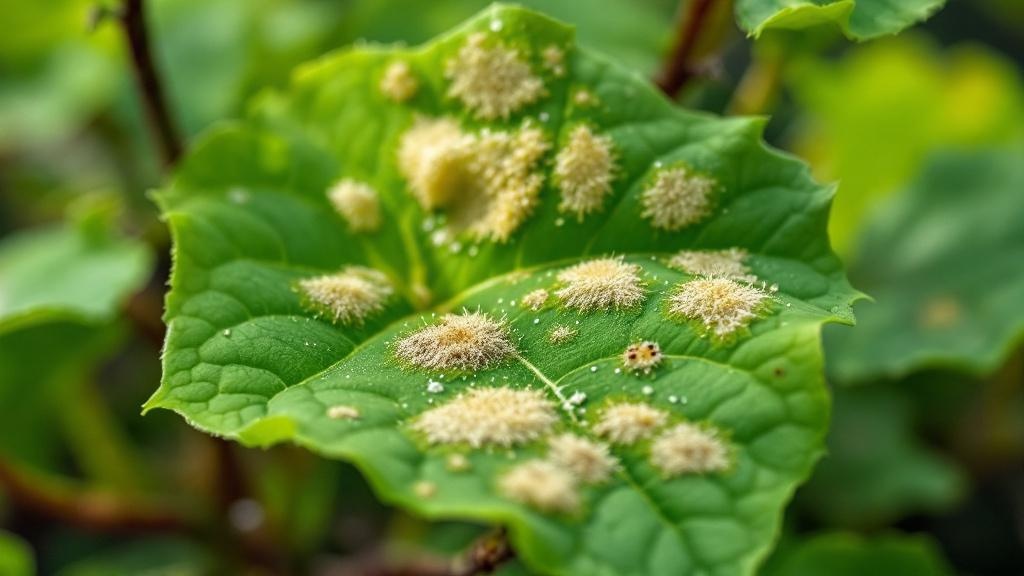
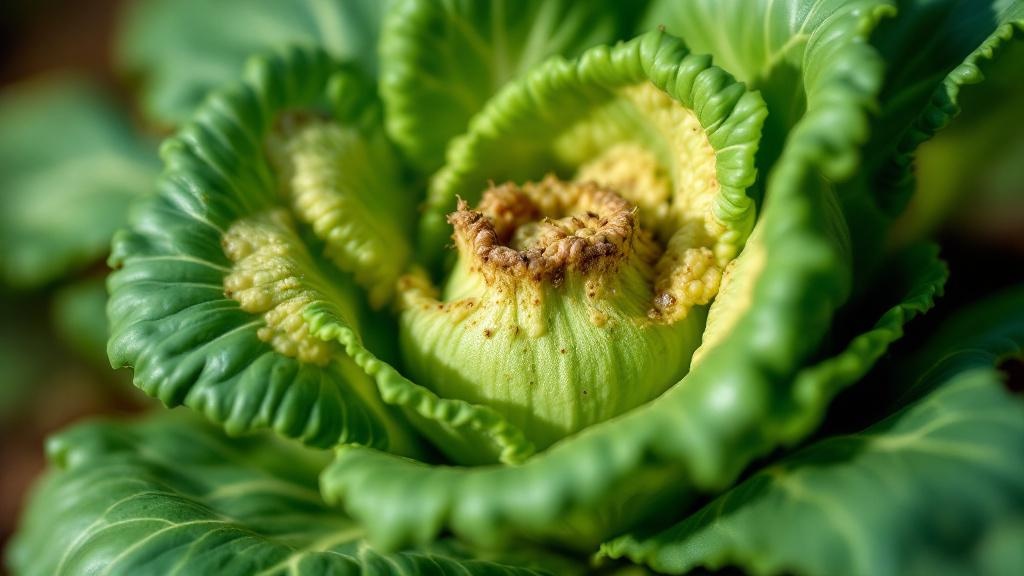
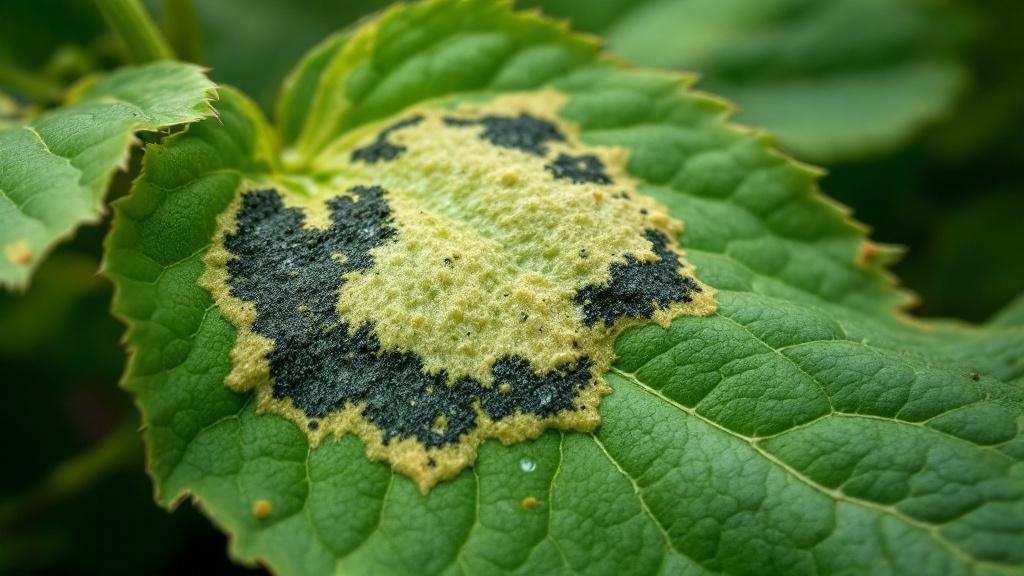
Late blight is a devastating disease caused by Phytophthora infestans, a water mould pathogen that can destroy an entire potato or tomato crop in just a few days. You'll recognise it by dark brown, water-soaked spots with greasy edges on leaves, often accompanied by white fuzzy mould on the undersides—the classic sign that this disease has arrived. On stems, you'll see black streaks, and on potato tubers, sunken brown lesions that rot from the inside. This is the same pathogen that caused the Irish Potato Famine in 1845, and it remains one of the most serious threats to home vegetable growers in temperate climates.
Why should you care? If left unchecked, late blight can wipe out your entire potato or tomato harvest within days, especially during warm, wet weather. The disease spreads explosively through water splash and high humidity, making July and August the critical danger window across Central Europe and the UK. Once it takes hold, it's nearly impossible to stop without aggressive intervention.
The first sign to watch for is those distinctive water-soaked leaf spots with a darker outline and white mould on the leaf undersides—this is the spore-producing stage that spreads the disease. Don't confuse it with early blight, which causes smaller, concentric ring patterns on lower leaves and appears earlier in the season. Late blight arrives when warm nights and frequent rain create ideal conditions: typically from mid-June onwards, peaking in July and August.
The window between first detection and total crop loss can be shockingly short—sometimes just 7 to 10 days in optimal weather. This is why prevention and early action are everything. Resistant varieties, proper spacing for air flow, and a spray schedule during the danger period are your best defences.
🔍 How to identify
Sötétbarna, vizesedő szegélyű foltok a leveleken, gyorsan terjedő. Fonákon fehér penészkoszorú a folt szegélyén. Szárakon fekete sávok. Gumókon barna, beesett foltok.
🌿 Common host plants
💊 Treatment
Réz-alapú permet (Bordói lé, rézoxiklorid). Fertőzött részek azonnal eltávolítása + égetése (nem komposzt!).
Mancozeb, cymoxanil, propamokarb (Previcur Energy). Heti rendszerességgel meleg esős időszak alatt.
🛡️ Prevention
Rezisztens fajták (Sárpo Mira). Soros ültetés, levegős állás. Fémtárs nem csatlakozó zónában — Magyarországon július-augusztus a kritikus.
💡 Notes
Az 1845-ös ír burgonyavész oka. Néhány nap alatt egész ültetvényt elpusztíthat.
Frequently asked questions
How fast does late blight spread and when is the real danger window?
Late blight can destroy a healthy plant within 7 to 10 days once conditions favour it; in humid, rainy spells it spreads even faster. Your critical window is July through early September across temperate zones, with July and August being the peak danger months when warm nights (above 15°C) and frequent rain create perfect conditions for the pathogen to explode.
Can I save a plant that's already infected or must I destroy it?
If infection is caught very early (just a few spots on the lower leaves), you can remove infected foliage and increase spray frequency to copper fungicides, but once the disease has spread significantly through the plant or to the tubers, destruction and burning is your safest option. Once tubers are infected internally, the plant cannot be saved and the potatoes will rot in storage.
What's the safest organic option for a backyard with kids and pets?
Copper-based sprays like Bordeaux mixture or copper oxychloride are your first choice and are low-toxicity when used as directed; apply every 7 to 10 days during the danger window, always in the evening to avoid leaf burn. Remove infected plant parts immediately and burn them—never compost—and keep children and pets away from treated plants until foliage is dry.
Does late blight overwinter in the soil or on dropped leaves?
Yes, the pathogen survives winter as resting spores in infected potato tubers left in the ground and in plant debris; this is why you must destroy all infected foliage by burning (not composting) and harvest potatoes completely, removing every tuber. If you compost infected material, the spores can survive and infect next year's crop, so never take that risk.
Are resistant varieties like Sárpo Mira really worth switching to?
Absolutely—resistant varieties like Sárpo Mira offer significant protection during late blight seasons and reduce your need for fungicide sprays, though they don't guarantee immunity in severe outbreaks. For tomatoes, look for resistant cultivars marked with R genes (such as R1 or R2); switching to resistant varieties is one of the most reliable, low-input strategies for home growers in high-risk areas.
Not sure what's wrong? Take a photo!
Plantora's AI Plant Doctor identifies the issue from a single photo in seconds and gives you a tailored treatment guide.
Try AI diagnosis (free) →