Damping-off
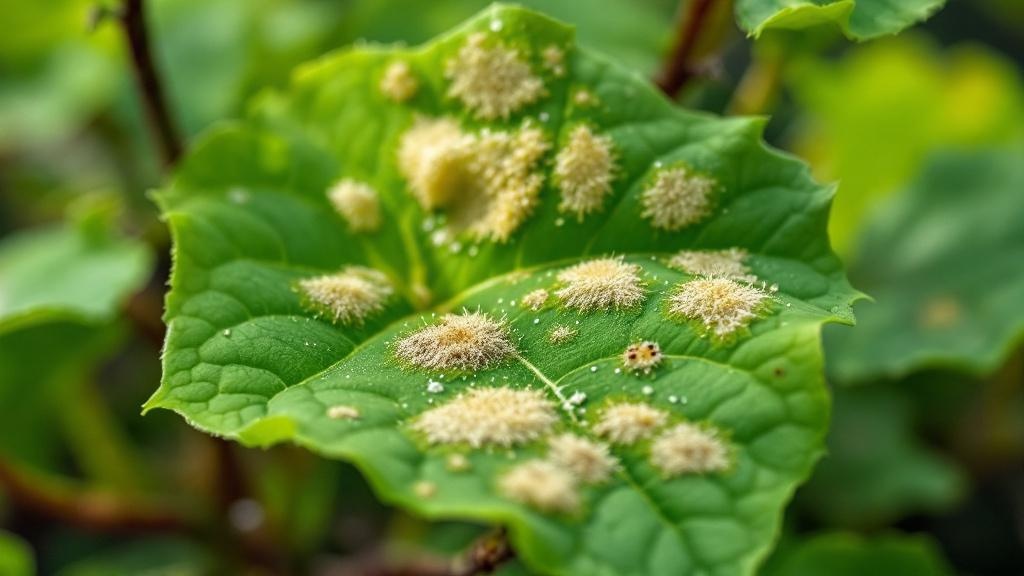
📖 Overview
Damping-off is a rapid seedling killer that strikes at soil level, causing the stem to thin, blacken, and collapse just above the soil surface—even though the leaves may still look green. It's caused by water-loving soil fungi (mainly Pythium, Rhizoctonia, or Fusarium) that thrive in the warm, humid conditions of indoor seed trays and propagators. This disease matters because it can wipe out an entire batch of tomatoes, peppers, lettuce, or flowers in just a few days, forcing you to start from scratch. The danger window runs from germination through the first 2-3 weeks indoors, typically March to May in temperate zones, though it can strike any time you're raising seedlings under glass or indoors.
The first sign is usually a soggy collapse at the soil line on otherwise healthy-looking seedlings—the stem pinches inward and turns dark, almost like someone tied a thread around it. Within hours, affected seedlings topple over. You'll spot it earliest in the dampest, warmest corners of your propagator or seed shelf. The key difference from other seedling problems is the characteristic "strangulation" at soil level; wilting from underwatering looks gradual and affects the whole plant, while root rot from cold soil shows poor growth but no dramatic collapse.
Damping-off thrives on three conditions: warmth (above 24°C soil temperature), moisture, and poor air movement. Commercial seed compost and sterilized containers are your first line of defense because the fungi live in garden soil and unclean pots. Once you see the first victim, the disease spreads quickly to neighbors through water splash and humid air, so speed matters. The good news is that prevention is straightforward—it's about managing moisture and air, not chemicals.
🔍 How to identify
Friss palánta elDŐL a talajszint magasságában — a szár alja elvékonyodik, megfeketedik, "befűződik". A levelek még zöldek lehetnek, de a növény lehetetlen állapotban. Tipikus túl párás, túl meleg melegágy/szobai palántanevelő.
🌿 Common host plants
💊 Treatment
A megtámadott palántákat azonnal eltávolítani. Levegőztetés (ventilátor). Hagyni a talajt megszáradni a felső 1 cm-en. Fahéj-por szórása (antifungális).
Captán vagy thiram csávázott vetőmag. Ritkán szobai palántanevelésben.
🛡️ Prevention
Steril talaj (kommerciális palántaföld, NE kerti). Higiénikus edények (10% klóros vízzel mosott). NEM túl sűrű vetés. Légmozgás (ventilátor). NEM túlöntözés. 20-22°C talajhőmérséklet (NEM 28+).
Frequently asked questions
How fast does damping-off spread once I see the first collapsed seedling?
Within 3-5 days, the disease can spread to adjacent seedlings if conditions stay warm and wet. Remove affected plants immediately and increase air flow to slow the outbreak; seedlings are most vulnerable in their first 2-3 weeks, so act fast during that window.
Is the harvested produce from seeds that survived damping-off safe to eat?
Yes, completely safe. Damping-off only kills seedlings at soil level; if a plant survives the disease and grows on, the fruit or leaves are normal and healthy.
Can I save an infected seedling or should I throw it out immediately?
Once the stem is visibly pinched and blackened, the seedling cannot recover and will die within hours. Remove it at once to prevent the fungus from spreading to healthy neighbors through water and spores.
Does damping-off overwinter in the soil or on fallen debris, and will my garden be infected next year?
Yes, the fungi can overwinter in unsterilized garden soil and compost, but only if you've grown seedlings indoors in those materials. Commercial sterile seed compost and proper hygiene break the cycle; outdoor soil rarely poses a risk to seedlings started in fresh, sterile mixes.
What's the safest organic option if I have kids or pets around my seed trays?
Prevention is your safest bet: use only sterile bought seed compost, ensure good air flow with a small fan, and let the top 1 cm of soil dry between waterings. If damping-off appears, cinnamon powder dusted on the soil surface has mild antifungal properties and is non-toxic, though removing infected seedlings and improving ventilation is more reliable.
Not sure what's wrong? Take a photo!
Plantora's AI Plant Doctor identifies the issue from a single photo in seconds and gives you a tailored treatment guide.
Try AI diagnosis (free) →